House GOP’s Bold Legislative Offensive Against CCP Influence in U.S. Schools: Deep Analysis of Implications

Sarah Johnson
December 4, 2025
Brief
Analysis of new House GOP bills targeting CCP influence in U.S. schools explores implications for national security, education policy, and U.S.-China relations within broader historical and geopolitical contexts.
Why the House GOP’s New Bills Targeting CCP Influence in U.S. Schools Matter
The recent introduction of three legislative proposals in the House of Representatives aiming to curb perceived Chinese Communist Party (CCP) infiltration into the U.S. education system is more than a routine political maneuver—it's a vivid marker of an intensifying geopolitical and ideological struggle playing out within America's classrooms. These bills, framed by Republicans around protecting educational integrity and parental rights, spotlight escalating anxiety about foreign influence amid broader U.S.-China tensions. Examined carefully, these measures tell us much about the evolving nexus of education, national security, and international power projection in the 21st century.
The Bigger Picture: Historical Context and Background
Concerns about foreign influence in education are not new to American history. During the Cold War, fears about Soviet propaganda led to curriculum debates and government surveillance of communist sympathizers on campuses. However, the scope and nature of the perceived threat today differ in key ways.
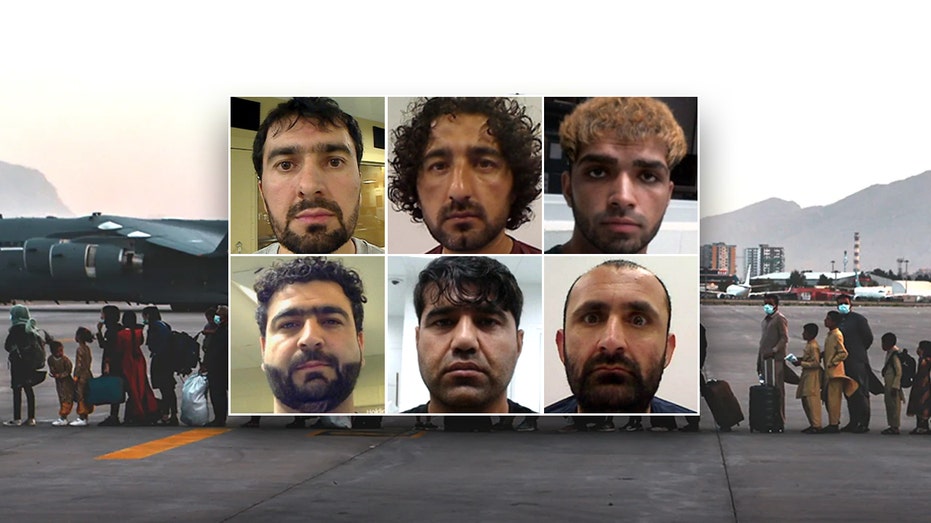
Since the early 2000s, China's rapid economic rise and global assertiveness have fueled unease over Beijing's use of soft power tools, including Confucius Institutes, academic partnerships, and funding streams that critics allege serve as vehicles for political influence or espionage. The arrests of Chinese nationals allegedly smuggling biological research material underscore these concerns with emboldened urgency, linking education to national security vulnerabilities in new ways.
Domestically, debates over K-12 and university content—what histories are told, which political ideologies enter curricula—have become battlegrounds for competing visions of American identity. The CCP’s well-documented attempts to suppress discussion of events like the Cultural Revolution, Tiananmen Square, and Uyghur genocide collide with broader U.S. struggles over curriculum inclusiveness, free speech, and historical reckoning.
What This Really Means: Implications and Significance
The bills—H.R. 1005 (CLASS Act), H.R. 1049 (TRACE Act), and H.R. 1069 (PROTECT Our Kids Act)—represent a strategic legislative push to sever direct and indirect Chinese government ties to U.S. educational bodies through funding restrictions and mandated transparency. If enacted, they could reshape long-standing academic collaboration norms and impose new accountability measures for foreign financial flows into schools.
One immediate effect would be the potential defunding and closure of Confucius Institutes or similar programs, already contentious for advocacy groups claiming they act as CCP propaganda arms. Moreover, the TRACE Act's emphasis on parental notification rights aims to empower families while framing foreign funding as an espionage risk, reflecting growing public scrutiny shaped by national security assessments.
However, critics could warn that such sweeping prohibitions risk overreach, possibly harming cross-cultural engagement or fueling xenophobia in educational environments, especially at a time when China-related academic research remains crucial for global understanding. Balancing vigilance with openness will be a delicate challenge.
Expert Perspectives
John Moolenaar, R-Mich., chairman of the Select Committee on the CCP, contextualizes these bills as a defense against ideological censorship and disinformation, emphasizing the CCP’s desire to control historical narratives. Similarly, Rep. Kevin Hern frames PROTECT Our Kids Act as a safeguard protecting future leaders from anti-American influence.
On the other hand, educational experts caution against conflating legitimate academic connections with espionage threats. Dr. Amanda Lee, a scholar on Sino-American academic relations, notes, "There is a fine line between protecting sovereignty and stifling essential intellectual exchange. Not all Chinese-funded programs are fronts for propaganda—they often facilitate important scholarly dialogue that fuels innovation. Policy needs nuance, not blanket bans." This perspective urges critical scrutiny of individual cases rather than broad strokes.
Data and Evidence
Empirical data on the extent of CCP funding in U.S. schools remain incomplete, stirring concerns about transparency. According to reports by independent watchdogs like Parents Defending Education, dozens of K-12 schools have received funding linked to Chinese sources, sometimes indirectly. Universities such as Stanford have reported instances of intelligence-gathering efforts disguised under academic cooperation, suggesting a real but complex security challenge.
Moreover, FBI investigations into Chinese nationals involved in illicit biological research material importation underscore that threats extend beyond propaganda into espionage and intellectual property theft—heightening the stakes around institutional vulnerabilities.
Looking Ahead: What to Watch For
Legislative progress on these bills will serve as a bellwether for how Congress balances national security concerns with academic freedom. If passed, expect increased scrutiny of foreign funding at all educational levels, potentially influencing university admissions, research collaborations, and K-12 curricula.
Public reaction will also be pivotal. With education often a flashpoint of cultural battles, framing foreign funding as espionage risks further politicizing schools. How parents, educators, and administrators navigate transparency requirements and comply with new mandates will shape the impact on communities nationwide.
Internationally, China will likely interpret these moves as hostile, possibly retaliating against U.S. academic partnerships abroad, complicating global research networks. The bills fit into the broader strategic competition shaping U.S.-China relations not just economically or militarily but ideologically and culturally.
The Bottom Line: Key Takeaways
- The House GOP's legislative push reflects deepening concerns about CCP influence touching American education as both a national security and cultural issue.
- While aiming to eliminate covert propaganda and financial influence, these bills raise questions about the balance between security and academic openness.
- Historical precedents caution about overreach in combating foreign ideological influence; nuance and evidence-based policy are essential.
- Transparency mandates and parental empowerment reflect growing demand for information but also risk heightening politicization of schooling.
- The unfolding debate is emblematic of wider global tensions over the flow of ideas, information, and influence in an interconnected world.
Topics
Editor's Comments
This wave of legislative activity reflects a critical moment where national security anxieties intersect with deeply sensitive questions about education and identity. While the CCP's attempts to shape narratives and engage in covert activities are documented concerns, policymakers must avoid undermining academic freedom or fueling xenophobic tendencies under the guise of patriotism. These bills underscore an urgent need for transparency but also demand carefully calibrated implementation to preserve the openness fundamental to American education. How the Biden administration and future Congresses navigate this terrain could set lasting precedents for the role of foreign influence in domestic institutions—not only from China but from other global powers as well.
Like this article? Share it with your friends!
If you find this article interesting, feel free to share it with your friends!
Thank you for your support! Sharing is the greatest encouragement for us.