What Israel Receiving a Hostage’s Coffin Reveals About the Human and Political Toll of the Gaza Crisis

Sarah Johnson
December 4, 2025
Brief
An in-depth analysis of Israel receiving a coffin believed to hold a deceased hostage’s remains—exploring the historical context, human impact, diplomatic complexities, and future implications amid ongoing conflict.
Why Israel Receiving a Coffin Possibly Containing a Deceased Hostage's Body Matters
The recent transfer of a coffin believed to contain the remains of one of the last two deceased hostages held in Gaza marks a somber milestone in one of the longest and most emotionally complex hostage crises in recent memory. This event—more than a mere exchange of remains—resonates deeply at multiple levels: it underscores the human cost of the ongoing Israeli-Palestinian conflict, highlights the challenges of hostage recovery amid militant kidnappings, and signals the narrowing search for closure faced by grieving families. Beyond the immediate tragedy, it presents critical questions about prospects for diplomatic resolution, the role of international intermediaries like the Red Cross, and the broader shifts in Israel’s security policies and humanitarian obligations.
Historical Context and Background: The Hostage Crisis Amid a Broader Conflict
The hostage situation traces back to October 7, 2023, a day that marked a significant escalation in Israeli-Palestinian hostilities following a coordinated attack by Hamas militants. The abduction of over 250 hostages—including civilians, security personnel, and foreign nationals—has since weighed heavily on Israeli society and the international community. Historically, hostage takings in this conflict have been used strategically to exert political pressure or exact concessions, underscoring the weaponization of human lives within asymmetric warfare.
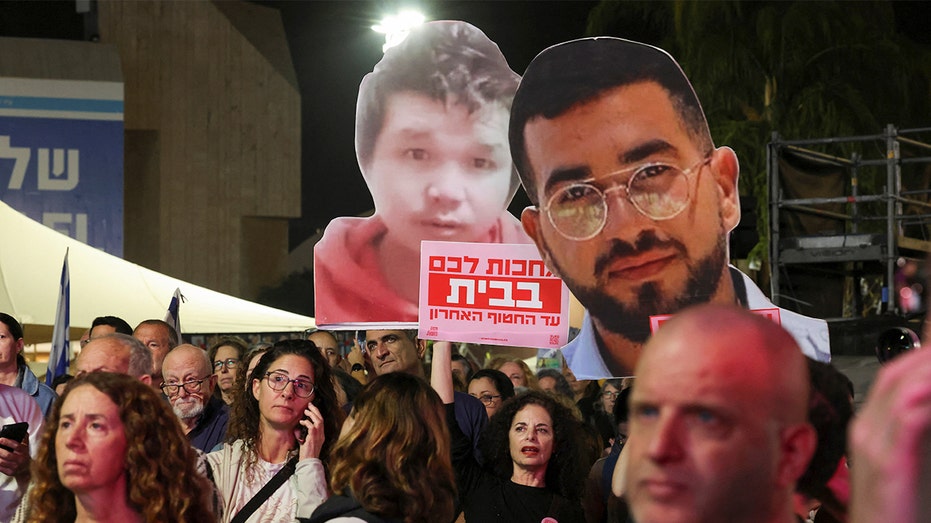
The involvement of individuals such as Ran Gvili—a police officer who proactively engaged in defense efforts before being killed and taken hostage—and Sudthisak Rinthalak—a Thai laborer supporting his family abroad—humanizes the broad geopolitical struggle, showing personal sacrifices amid larger strategic maneuvers. The delayed return of remains and protracted negotiation processes reflect the complex interplay between militant groups’ objectives and international diplomatic efforts.
Deeper Implications: What This Transfer Really Signifies
This event signifies more than identification procedures—it shapes the ongoing psychological and political landscape in Israel and abroad. For the families, receiving remains is an imperative step toward mourning and closure after years of anguish and uncertainty. Politically, it exemplifies the painstaking efforts involved in navigating hostage recovery amid active conflict zones where trust, logistics, and security concerns complicate exchanges.
The fact that only two deceased hostages remain unrecovered reflects both the tragic human toll and the progress in returning victims—framing the balance between operational military responses, humanitarian channels, and international mediation. Moreover, it marks a shift from hostage rescue hopes to painful reconciliation with loss, raising ethical dilemmas about ongoing military actions and the prioritization of humanitarian outcomes.
Expert Perspectives
Dr. Tamar Elad-Appelbaum, a specialist in conflict resolution and trauma studies, remarks, "The hostage crisis in Israel-Gaza epitomizes how protracted conflicts entangle civilian lives. The prolonged uncertainty around hostages exacerbates trauma not only for families but for societies. The gradual return of remains reveals the limits of militarized approaches and the vital role of neutral intermediaries like the Red Cross." Likewise, Professor Daniel Byman of Georgetown University notes, "Hostage exchanges and body recoveries are both symbolic and strategic; they influence public morale, diplomatic posturing, and the calculus of militant groups. This case exemplifies how deeply intertwined domestic political pressures and international norms are in conflict resolution."
Data and Evidence
Statistics underscore the complexity: out of the 255 hostages abducted, most have been either released, rescued, or confirmed deceased through accumulating intelligence and forensic work. The nearly 790 days since abductions highlight the extraordinary duration compared to earlier hostage crises in the region. Forensic and identification procedures require painstakingly careful efforts given the often fragmentary condition of remains and politically sensitive conditions surrounding their recovery.
The involvement of international organizations like the Red Cross, responsible for mediating sensitive handovers, demonstrates the importance of neutral humanitarian actors who facilitate communication between adversarial parties. Yet, available data also reflect the limitations of such mechanisms when political will or security concerns interfere.
Looking Ahead: What Comes Next?
Going forward, several critical developments warrant close attention. First is the identification and return of the final remains, which carries immense emotional and symbolic weight. Second is how this episode will affect ongoing negotiations—not only regarding prisoners and hostages but also broader ceasefire or peace talks—especially given the high-profile appeals from families to international mediators, including former diplomatic figures.
On a larger scale, this case could influence Israel's policy calculus regarding hostage situations, signaling potential moves toward securing safer labor arrangements for foreign workers or revisiting border security strategies. For the international community, the evolving narrative emphasizes the need for stronger frameworks—and possibly reforms—in hostage negotiation protocols and international humanitarian protections in asymmetric conflicts.
The Bottom Line
The receipt of a coffin, likely containing the remains of one of the last hostages held in Gaza, is a tragic yet pivotal development with far-reaching ramifications. It underscores the enduring human cost of prolonged conflict, the complexities of hostage recovery in modern asymmetric warfare, and the crucial role of international mediation in mitigating suffering. As families steel themselves for final goodbyes, the broader geopolitical and humanitarian challenges posed by this crisis remain pressing and unresolved, demanding ongoing scrutiny and informed dialogue.
Topics
Editor's Comments
This development in the Israeli-Gaza hostage situation underscores the deeply human dimension underlying geopolitical conflicts frequently viewed through abstract strategic lenses. While political leaders debate terms and military planners coordinate responses, families endure years of agonizing uncertainty. This transfer of remains forces us to confront the cost beyond statistics, exposing the limitations of purely militarized approaches to complex hostage crises. It also highlights the indispensable role of neutral humanitarian intermediaries, which, despite operating under constraints, offer vital channels for empathy and compromise. As the crisis moves toward an inevitable phase of mourning, there is a pressing need for policymakers and publics alike to reflect on how cycles of violence can be interrupted—if not by force, then through sustained diplomatic, humanitarian, and social engagement. Future strategies must integrate trauma-informed approaches and prioritize mechanisms that safeguard vulnerable civilians caught between belligerents.
Like this article? Share it with your friends!
If you find this article interesting, feel free to share it with your friends!
Thank you for your support! Sharing is the greatest encouragement for us.