The Last Hostage in Gaza: Unpacking the Human and Geopolitical Complexities of the Post-October 7 Crisis

Sarah Johnson
December 4, 2025
Brief
A deep analysis of the hostage crisis post-October 7, 2023, attacks, exploring the historical context, multinational implications, and the challenges of resolving prolonged hostage situations in Gaza.
Opening Analysis
The recent confirmation that the remains of Sudthisak Rinthalak have been returned and identified marks a solemn milestone in the ongoing conflict between Israel and militant groups in Gaza. With Israeli police officer Ran Gvili as the last confirmed hostage remaining in Gaza, the situation crystallizes many broader dynamics: the human toll of cross-border violence, the complexities of hostage diplomacy, and the geopolitical reverberations affecting international relations, especially with third-party nations like Thailand. This development invites an in-depth examination beyond the headline facts to understand what it reveals about the conflict’s trajectory and the struggle to resolve hostage crises in deeply entrenched conflicts.
The Bigger Picture
The tragic death of Rinthalak, a Thai national working in Israel to support his family, underscores the multi-layered human impacts of the October 7, 2023 attacks attributed primarily to Hamas and affiliated groups such as Palestinian Islamic Jihad (PIJ). This attack resulted in the killing and kidnapping of numerous civilians and security personnel, igniting one of the most intense phases in the ongoing Israeli-Palestinian conflict. Importantly, the kidnappings have not only been a military or security issue but have evolved into a geopolitical challenge involving multiple nations.
Historically, hostage-taking has been a tactic employed by groups in asymmetrical conflicts to exert leverage, attract international negotiation pressure, and influence domestic politics. The return of remains rather than living hostages is symbolic of the intractable nature of current negotiations and reflects both the humanitarian and strategic difficulties in securing safe releases.
What This Really Means
The identification and repatriation of Rinthalak’s remains highlight several critical implications. First, it illustrates the painstaking efforts by Israeli authorities and international partners to address both the identification and dignified handling of victims amid warfare's chaos. The involvement of the Thai embassy signals the transnational complexities arising when foreign nationals become entangled in regional conflicts, necessitating diplomatic collaboration amid highly sensitive and volatile conditions.
Second, the fact that Ran Gvili remains the last hostage inside Gaza speaks volumes about the stalemate in prisoner negotiations and the limitations of conventional conflict resolution methods in this context. Gvili’s prolonged captivity—and presumed death—symbolizes the profound human cost and emotional strain on families, communities, and states involved. It also raises questions about Hamas and PIJ’s strategic calculus in holding hostages over prolonged periods, especially considering their international reputational implications and pressure from multiple governments.
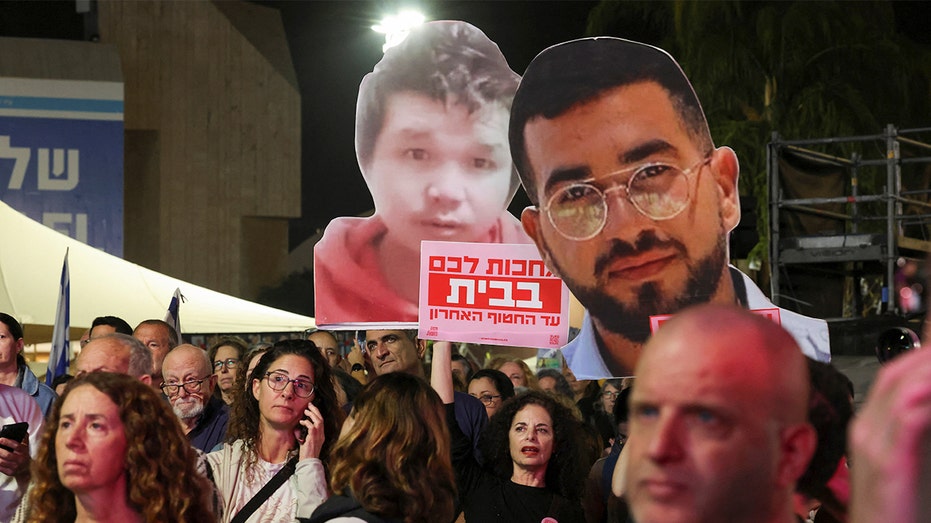
This situation exposes what is often overlooked in mainstream coverage: the hostages’ identities and stories are often eclipsed by broader political narratives, yet they remain a central human dimension that drives domestic and international policy decisions. Their families' persistent advocacy, illustrated through public appeals, further underscores the emotional and political leverage such cases hold in the broader conflict globe.
Expert Perspectives
Dr. Liora Mendel, a Middle East conflict analyst at Tel Aviv University, observes, "Hostage situations in asymmetrical conflicts represent both a humanitarian crisis and a bargaining chip that militant groups use to shift power dynamics. The return of remains, while devastating, can sometimes open backchannels for dialogue that live hostage negotiations cannot."
Meanwhile, Ambassador Somchai Ratanapong, former Thai diplomat specializing in international crisis response, notes, "The involvement of third countries like Thailand complicates the diplomatic landscape but also energizes multilateral efforts to address human rights and humanitarian law issues. The sensitive handling of Rinthalak's remains exemplifies respect for international norms even amid conflict."
Conflict resolution scholar Dr. Amir Haddad adds, "The stalled negotiations over Ran Gvili highlight the limitations of military pressure alone in resolving hostage crises. Comprehensive approaches, including third-party mediation, humanitarian confidence-building, and discourse on detainee treatment, are critical moving forward."
Data & Evidence
The initial October 7 attacks resulted in approximately 255 hostages taken into Gaza, a majority of whom were civilians and security personnel. Over time, Israel’s efforts have seen the release or return of many hostages or their remains, but the pace has slowed considerably, with only two individuals—Ran Gvili and possibly one more—remaining in Gaza according to official statements.
According to reports from the Hostages and Missing Families Forum, families of hostages have united into support groups, exemplifying the widespread social impact. Many hostages, like Rinthalak, were foreign nationals working in Israel, reflecting the internationalization of the tragedy.
Looking Ahead
The focus now shifts to the fate of the last known hostage, Ran Gvili, and prospects for a humanitarian resolution. Israel’s public commitment to repatriate Gvili's remains underscores the challenge ahead—a challenge that requires balancing military objectives with humanitarian imperatives.
International actors, including neighboring countries and global powers, may increase pressure for negotiated prison exchanges or humanitarian gestures. However, escalating conflict risks further undermining diplomatic pathways and prolonging hostilities.
Additionally, this case could influence broader negotiations regarding detainee treatment, potential future hostage situations, and cross-border conflict management. Monitoring how Israel, Hamas, and external mediators engage in this process will offer critical insights into regional stability prospects.
The Bottom Line
The recent identification and return of Sudthisak Rinthalak's remains poignantly illustrate the personal costs embedded within geopolitical conflict. The hostage situation remains a core human dilemma entwined with strategic considerations, diplomatic complications, and societal trauma. While progress on repatriations signals coordinated efforts, the prolonged captivity of the final hostage starkly highlights persistent challenges in resolving such crises amid entrenched conflict dynamics. For policymakers, observers, and affected families alike, this underscores the urgent need for innovative and humanitarian approaches in conflict resolution frameworks.
Topics
Editor's Comments
This case starkly reveals the intertwined human tragedy and geopolitical complexities in ongoing conflicts. It challenges us to look beyond immediate military confrontations to the human stories and diplomatic challenges that persist. Particularly striking is how foreign nationals like Rinthalak become focal points in an otherwise territorially bound conflict, highlighting the globalized nature of regional wars today. Moreover, it raises difficult questions about the efficacy of current negotiation frameworks and the urgent need for innovative approaches that prioritize humanitarian concerns while recognizing security imperatives. The continuing captivity of the last hostage illustrates not only the enduring human cost but also the political stalemate that defines this tragic chapter.
Like this article? Share it with your friends!
If you find this article interesting, feel free to share it with your friends!
Thank you for your support! Sharing is the greatest encouragement for us.