Pope Leo XIV’s Lebanon Visit: A Beacon Amid Crisis and Fragmentation

Sarah Johnson
December 3, 2025
Brief
An in-depth analysis of Pope Leo XIV's Lebanon visit reveals its profound implications amid economic crisis, shifting Christian demographics, and regional security concerns, highlighting calls for unity and international attention.
Opening Analysis
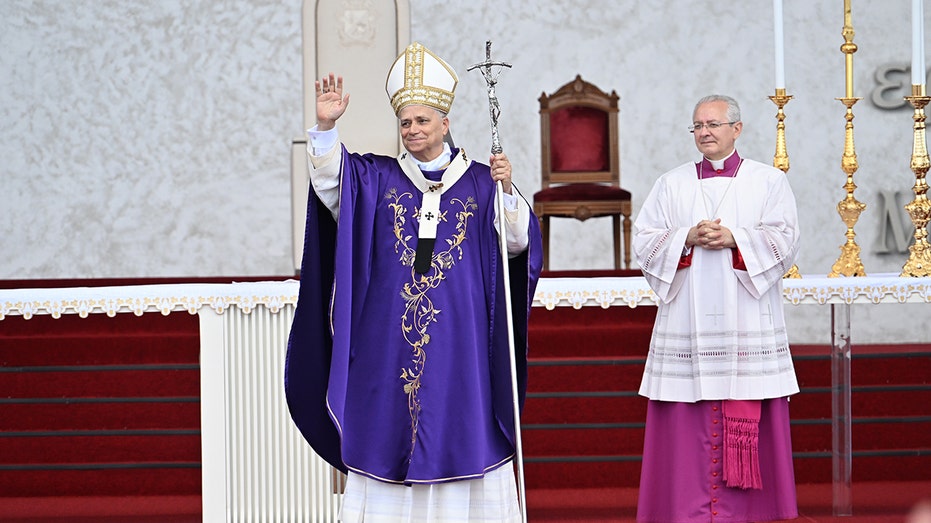
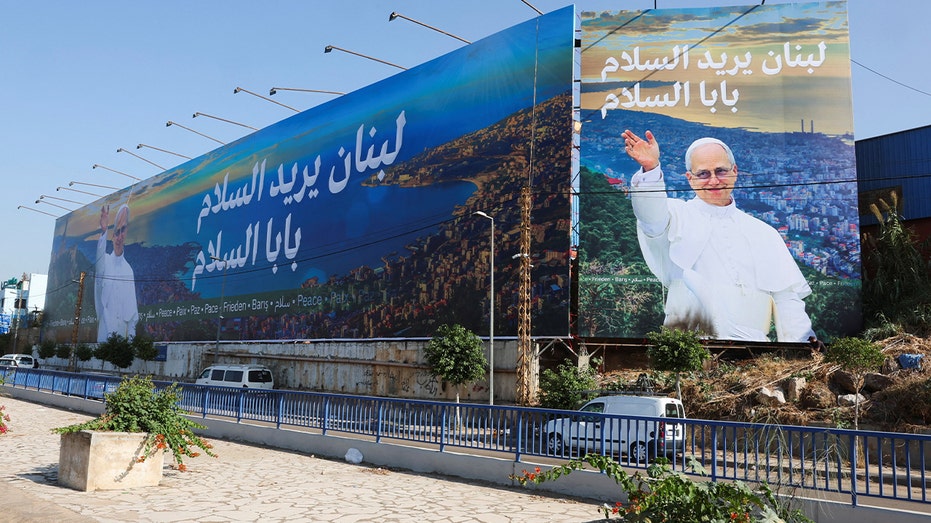
Pope Leo XIV's arrival in Lebanon marks a symbolic and strategic moment amid a nation grappling with profound economic collapse, political deadlock, and societal fragmentation. This visit, coming early in his papacy, is far more than a routine pastoral engagement — it encapsulates a deliberate call attention to Lebanon's enduring hardships faced predominantly by its Christian communities. Against the backdrop of shifting demographics, regional instability, and recurrent violence, the pontiff's presence serves not only as spiritual solace but also as a highlight of Lebanon’s fragile place in Middle Eastern geopolitics and global Christian heritage.
The Bigger Picture
Historically, Lebanon has stood as a unique mosaic within the Middle East, distinguished by its pluralistic society and significant Christian presence. In 1932, Christians constituted just over half of Lebanon's population, an equilibrium enshrined in the country's political system. However, decades of civil war (1975–1990), successive conflicts, and emigration have radically altered this demographic landscape. Today, Christians comprise an estimated one-third of the population, a steep decline resulting from poor economic opportunities, sectarian tensions, and regional conflicts.
Pope Leo XIV’s decision to visit Lebanon immediately after Turkey—to commemorate the 1,700th anniversary of the First Council of Nicaea—resonates with deeper symbolism. His trip underscores themes of reconciliation and unity, harkening back to one of Christianity’s pivotal moments that fostered doctrinal consensus across diverse denominations. Lebanon, embodying both deep Christian roots and complex contemporary challenges, stands as a pivotal stage to emphasize the need for peace and solidarity within fractured societies.
What This Really Means
The pope's visit arrives during one of Lebanon's most volatile periods in recent memory. Economic collapse has plunged more than 80% of the population below the poverty line, eroded public services, and incited widespread unrest. Political paralysis persists, with factions entrenched in sectarian divides preventing reform and effective governance. Additionally, the 2020 Beirut port explosion remains a gaping wound, with demands for accountability unmet and national trauma unresolved.
Beyond economics and governance, Lebanon faces existential security threats. Hezbollah-Israel skirmishes along the southern border have displaced civilians and reignited fears of broader conflict. The pope’s presence amid these tensions is both a testament to resilience and a subtle form of diplomacy — signaling global concern for Lebanon’s stability and encouraging de-escalation.
For the Christian communities, long caught between Middle Eastern geopolitics and internal fragmentation, this visit is a rare moment of affirmation. As emigration saps the community’s size and influence, the pontiff’s spotlight brings needed international attention to their plight and cultural heritage. It implicitly challenges the international community to engage beyond geopolitical interests and to consider the survival of these ancient Christian enclaves.
Expert Perspectives
JP De Gance, founder and president of Communio, frames the pope’s itinerary as intentionally addressing “unity and peace.” He stresses that by choosing Turkey and Lebanon, Pope Leo XIV spotlights Christian communities “in the most vulnerable regions” and aims to use the “bully pulpit” of the papacy to advocate for Eastern Christians frequently neglected by Western discourse.
Vatican spokesman Matteo Bruni’s assurance about the stability of the pope's schedule despite regional hostilities emphasizes the Vatican’s commitment to maintaining dialogue and presence even in precarious contexts, reflecting a long-standing Vatican approach of engaging with conflict zones through moral diplomacy.
Historian and theologian Dr. Miriam Shadid, specializing in Middle Eastern Christianity, notes, “This visit revives hope for a community overshadowed by decades of conflict and marginalization. The intersection of the pope's theological message with Lebanon’s current crises reminds us that faith leadership can be a catalyst for both spiritual healing and social reconciliation.”
Data & Evidence
- Christians comprised approximately 51% of Lebanon’s population in 1932, but current estimates place this figure around 30% or less, largely due to emigration and lower birth rates.
- Over 80% of Lebanese now live below the national poverty line due to economic collapse triggered by banking failures, currency depreciation, and political paralysis.
- The 2020 Beirut port explosion caused over 200 deaths, injured thousands, and displaced tens of thousands while exacerbating a national governance crisis.
- Recurrent fighting along the Lebanon-Israel border has displaced thousands since 2024, underscoring the persistent security volatility in the region.
- The First Council of Nicaea (325 AD), commemorated in Turkey during the pope’s visit, established foundational Christian doctrines still central to modern Christianity.
Looking Ahead
The pope's visit may catalyze several potential developments. Internationally, it could rekindle dialogue around Lebanon’s governance and economic aid, adding moral urgency to diplomatic and financial efforts. His presence may empower local political actors inclined toward reform and encourage foreign stakeholders to consider Lebanon’s multidimensional crises beyond security concerns.
For Lebanon’s Christians, the visit might momentarily stem the tide of emigration by reinforcing community and identity. However, meaningful change will require systemic political reforms, improved security, and economic rehabilitation.
The visit also opens broader conversations about the role of religious leadership in conflict resolution within the Middle East. Pope Leo XIV’s emphasis on unity may inspire ecumenical and interfaith initiatives, fostering networks that enhance peacebuilding efforts.
The Bottom Line
Pope Leo XIV’s Lebanon visit is a multidimensional intervention blending spiritual leadership with geopolitical resonance. It sheds light on Lebanon’s profound crisis—economic, social, and security-related—while reminding the world of the precarious existence of Middle Eastern Christians. The visit challenges both Lebanese stakeholders and the international community to confront Lebanon’s unresolved trauma and instability with renewed commitment and empathy.
Topics
Editor's Comments
This visit by Pope Leo XIV is as much a geopolitical statement as a spiritual one, underscoring how intertwined religion and politics remain in Lebanon's fraught landscape. While many see the trip as a beacon of hope for Lebanon’s Christians, it raises pressing questions about the international community’s responsibility toward a nation precariously perched between internal fragmentation and external threats. Will this papal engagement spur genuine reforms or simply offer symbolic solace? The answer will depend largely on whether political actors leverage this moment for systemic change or revert to sectarian stalemate. Moreover, the pope’s emphasis on unity reminds us that Lebanon’s crises cannot be divorced from the broader quest for peace in the Middle East—a region too often defined by division rather than dialogue.
Like this article? Share it with your friends!
If you find this article interesting, feel free to share it with your friends!
Thank you for your support! Sharing is the greatest encouragement for us.