Pope Leo XIV’s Lebanon Visit: A Beacon of Religious Coexistence Amid Regional Turmoil

Sarah Johnson
December 3, 2025
Brief
Pope Leo XIV's historic visit to Lebanon spotlights religious coexistence amid political turmoil and regional conflict, signaling vital implications for Middle East peace and the future of Christianity in the region.
Opening Analysis
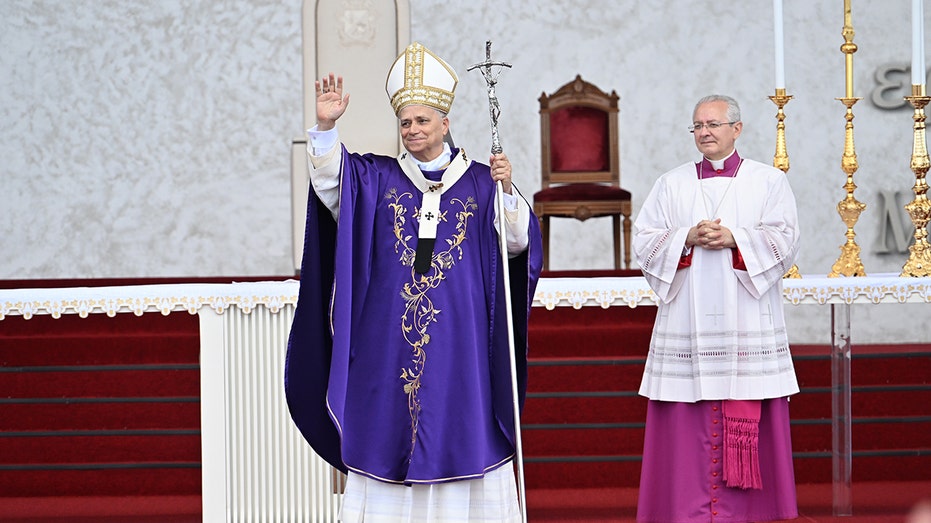
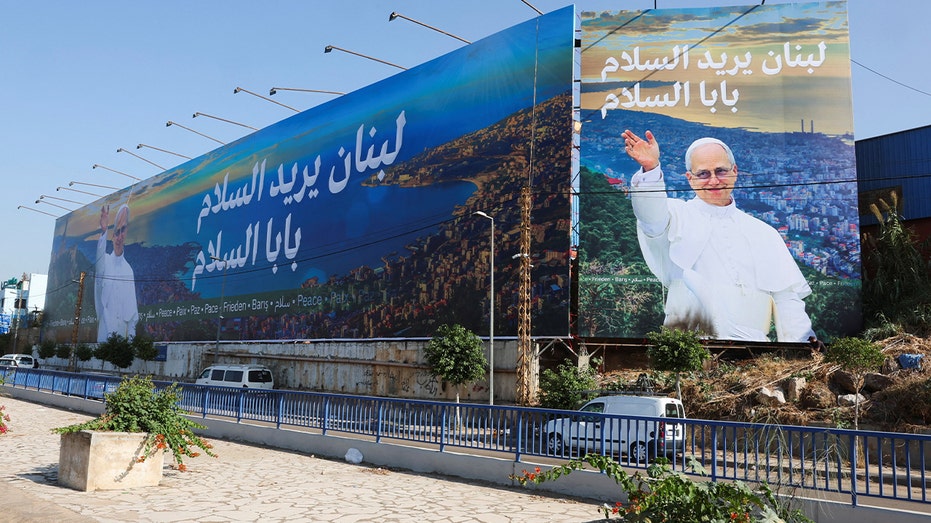
Pope Leo XIV's historic visit to Lebanon, his first trip to the Middle East as the first American pope, is far more than a symbolic gesture of goodwill. Against a backdrop of sectarian divisions, economic collapse, and regional conflict, his call for the "divine gift of peace" at an unprecedented interfaith gathering in Beirut underscores Lebanon’s vital position as a rare model of religious coexistence in a deeply fractured region. This pilgrimage both reflects and tests Lebanon’s fragile social fabric, with profound implications for the Catholic Church’s presence in the Middle East, regional diplomacy, and communal resilience amid geopolitical volatility.
The Bigger Picture
Lebanon’s complex religious mosaic has long shaped its national identity—hosting sizable Christian, Sunni, Shiite, Druze, and other communities in a setting unique within the Arab world. However, its history is scarred by sectarian conflict, most notably the brutal civil war from 1975 to 1990 that pitted religious and political factions against each other, leaving deep wounds and a fragile power-sharing system that remains deeply contested. The Taif Agreement that ended the civil war institutionalized sectarian division through confessional political representation but also enabled periods of uneasy peace.
Since then, Lebanon has suffered repeated cycles of political dysfunction, economic crisis, and security challenges, worsened by spillover from the Syrian civil war and persistent Israeli-Hezbollah tensions. The 2020 Beirut port explosion exposed systemic governance failures, further eroding confidence in the Lebanese state and spurring waves of emigration, especially among Christians, who feel increasingly marginalized despite an official power-sharing framework.
Against this turbulent backdrop, the Vatican has historically viewed Lebanon as a critical bastion of Christianity in the Middle East. Pope St. John Paul II famously called Lebanon a “message of freedom,” reflecting the hope that coexistence among faiths was possible and valuable. Leo XIV’s visit—which follows his pilgrimage to Turkey commemorating Christian origins—reinforces this vision while acknowledging Lebanon’s ongoing turmoil.
What This Really Means
Pope Leo XIV's interfaith gathering—uniting Christian patriarchs with Sunni, Shiite, and Druze leaders in Martyr’s Square—has profound symbolic significance. At a time when sectarianism is often weaponized to fuel violence across the Middle East, Lebanon represents a fragile but enduring experiment in pluralism. The pope's emphasis on "unity, reconciliation, and peace," accompanied by jointly planting an olive sapling, appeals not only for domestic harmony but also serves as a message of interreligious dialogue essential for regional stability.
Nevertheless, this vision faces daunting challenges. Internally, Lebanon is riven by political deadlock, exacerbated by external pressures from regional actors and nonstate militias like Hezbollah, whose militarized role remains contentious and complicates peace prospects with Israel and within Lebanon's polity. The pope’s visit also implicitly acknowledges these geopolitical fault lines, as Shiite, Sunni, and Christian leaders signal a desire for international attention and mediation, highlighting the Church's potential diplomatic role.
Moreover, Leo’s presence as the first American pope—trafficking complex U.S. perceptions in the region—signals a nuanced American soft power projection via the Vatican, potentially opening new avenues for engagement with Middle Eastern societies beyond traditional diplomatic mechanisms.
His call for Lebanon’s youth to remain and invest in their country confronts the severe brain drain and demographic shifts threatening Lebanon’s future vitality. By encouraging perseverance, the pope aligns spiritual support with socio-political advocacy for national reconstruction.
Expert Perspectives
Dr. Mona Makram-Ebeid, Middle East political analyst: "Lebanon’s sectarian power-sharing is a double-edged sword—both a guarantor of coexistence and a source of stagnation. The pope’s visit shines a spotlight on Lebanon’s vulnerability but also its resilience. Religious leadership can play a critical diplomatic role, especially in fostering intra-communal dialogue that political elites often fail to deliver."
Father John G. Baldovin, Church historian and theologian: "Pope Leo XIV's engagement in Lebanon underscores the Vatican's recognition that Christian communities in the Middle East are at a crossroads. Supporting these communities requires more than spiritual encouragement; it demands sustained international attention to their rights and security amid regional conflicts."
Dr. Nadim Shehadi, director of the Fares Center for Eastern Mediterranean Studies: "The visit comes as Lebanon reels from economic collapse and political paralysis. While symbolic visits are important, addressing the roots of instability demands concrete action, especially regarding Hezbollah's role and wider regional security, where the Vatican can advocate for peace but has limited leverage."
Data & Evidence
- Christians constitute approximately one-third of Lebanon's population of about 5 million, the highest Christian proportion in the Middle East.
- Since the Taif Agreement (1989), Lebanon’s sectarian political system allocates the presidency exclusively to Maronite Christians as a power-sharing mechanism.
- Lebanon ranked 150 out of 160 countries on Transparency International’s 2024 Corruption Perceptions Index, reflecting systemic governance challenges.
- The 2020 Beirut port explosion caused over 200 deaths, 6,000 injuries, and displaced an estimated 300,000 residents.
- Between 2015 and 2024, Lebanon's GDP contracted by over 60%, driving widespread unemployment and fueling emigration.
- Israel has conducted hundreds of airstrikes targeting Hezbollah since the 2023 Israel-Hamas conflict, intensifying regional security concerns.
Looking Ahead
Pope Leo XIV’s visit may spark renewed international focus on Lebanon’s unique religious diversity as a foundation for peacebuilding, but sustaining momentum will require bridging political divides and addressing economic collapse. The Vatican’s role as a mediator between religious communities offers a platform to support reconciliation—but it cannot replace political solutions.
The evolving regional dynamics, especially Israeli-Hezbollah hostilities and the spillover from Gaza, will test Lebanon’s stability and the durability of this interfaith message. For Lebanon’s Christian community, the visit highlights an urgent need to counter demographic decline through diaspora engagement and socio-economic reforms, lest their historic presence diminishes further.
Future papal visits or Vatican diplomacy that combine symbolic acts with concrete advocacy for humanitarian assistance, security guarantees, and reforms could shift Lebanon’s trajectory from fragmentation toward resilience.
The Bottom Line
Pope Leo XIV’s maiden Middle East journey to Lebanon embodies a multifaceted call for peace anchored in religious coexistence, historical memory, and urgent political realities. It serves as a reminder that Lebanon’s interreligious mosaic, though fragile and scarred by conflict, remains a beacon of hope—and a test case for the broader Middle East. The pope’s visit highlights both the promise and complexity of peace in a land shaped as much by faith as by fractured geopolitics.
Topics
Editor's Comments
Pope Leo XIV’s visit to Lebanon is a striking example of how religious diplomacy intersects with fragile geopolitics. While the optics of interfaith unity and calls for peace are powerful, they expose the deep contradictions Lebanon faces—between hope and despair, coexistence and factionalism. The delegation of Lebanon’s fate to divine peace gestures risks obscuring the urgent practical demands for political reform, economic recovery, and security guarantees. As an investigative analyst, I am interested in how the Vatican’s soft power translates into tangible outcomes, and whether this visit might prompt renewed international commitments beyond rhetoric. It also raises questions about the future of Middle Eastern Christianity amid ongoing persecution and displacement. The pope’s challenge is to bridge spiritual leadership with pragmatic advocacy in a volatile region where faith and politics are inextricably intertwined.
Like this article? Share it with your friends!
If you find this article interesting, feel free to share it with your friends!
Thank you for your support! Sharing is the greatest encouragement for us.