Pope Leo’s Call for Dialogue Highlights Perilous Crossroads in U.S.-Venezuela Crisis

Sarah Johnson
December 3, 2025
Brief
Pope Leo’s call for dialogue amid U.S.-Venezuela tensions reveals deep complexities in geopolitics, sovereignty, and humanitarian risks, challenging the prevailing push for military action under Trump.
Opening Analysis
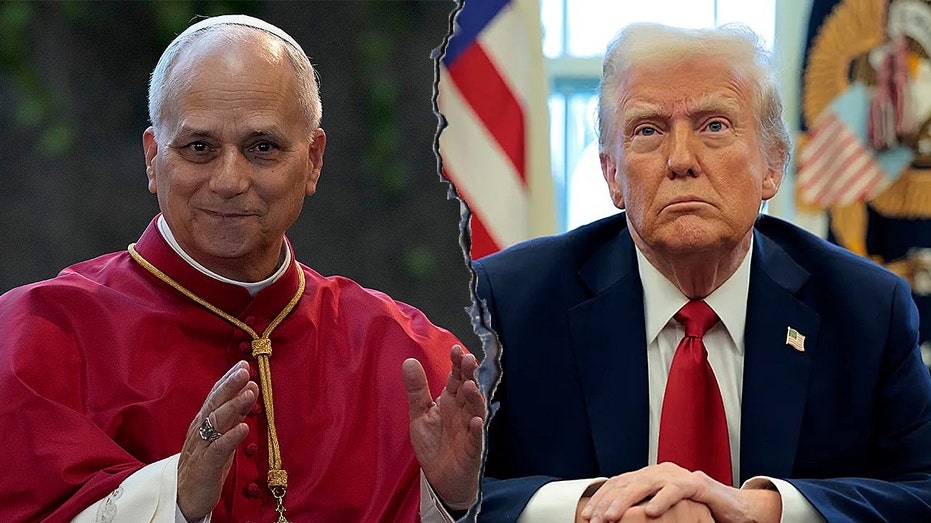
The recent intervention of Pope Leo in the escalating tensions between the United States and Venezuela marks a significant moment in international diplomacy, highlighting the complex interplay between hard power and moral authority. As U.S. President Donald Trump intensifies pressure on Nicolás Maduro's regime, including threats of military intervention, Pope Leo's call for dialogue foregrounds the risks of military action in a volatile region long plagued by political instability and humanitarian crisis. This episode encapsulates broader struggles over sovereignty, legitimacy, and global leadership in a multipolar 21st century world.
The Bigger Picture
Venezuela’s political and economic turmoil dates back over a decade, rooted in systemic corruption, a collapse in oil prices, and progressively authoritarian governance under Maduro’s predecessor Hugo Chávez and now Maduro himself. The country’s hyperinflation, humanitarian crisis, and mass migration have created one of the largest destabilizing factors in Latin America. The U.S. has long been critical of Venezuelan leadership, leveraging sanctions and diplomatic pressure while alternating ambiguous signals about potential military options.
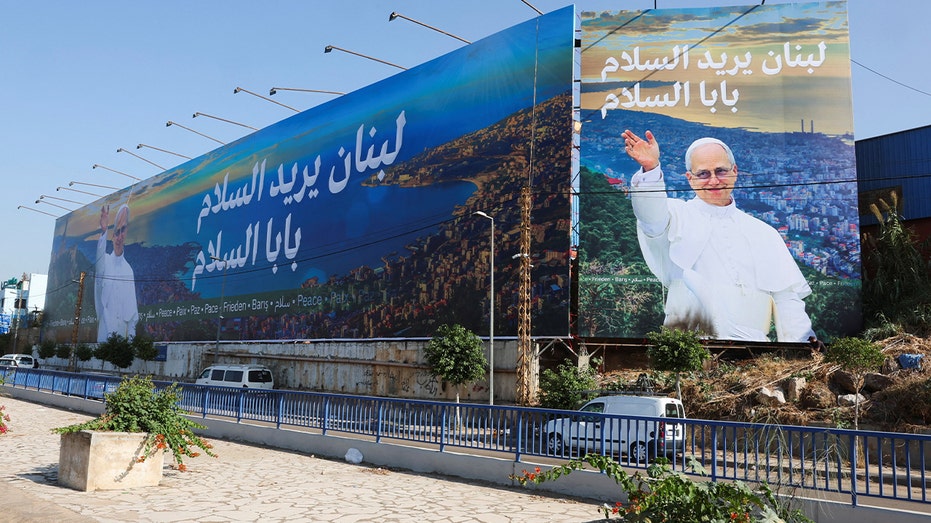
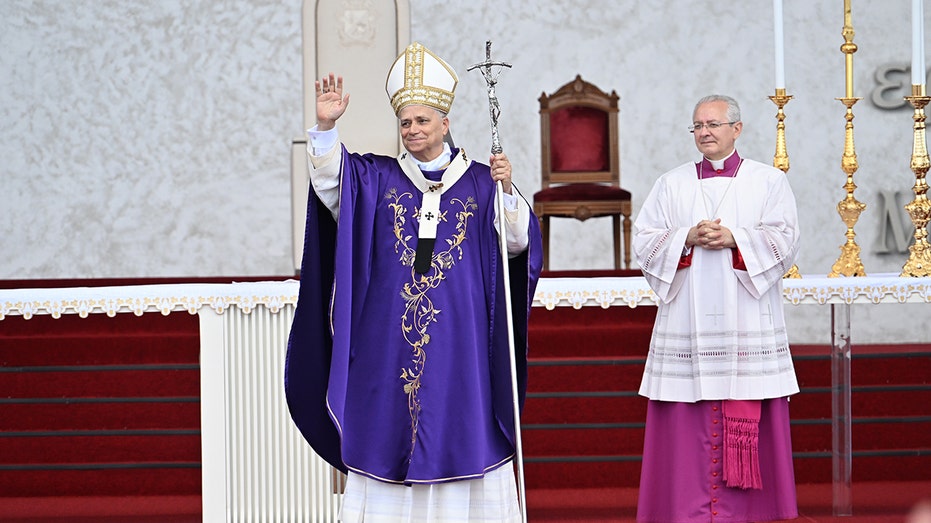
The Vatican’s unique role as a moral arbiter with historical precedent in conflict mediation gives Pope Leo’s intervention particular weight. The Holy See has frequently positioned itself as a behind-the-scenes mediator in geopolitical flashpoints, from Cold War-era negotiations to contemporary conflicts in the Middle East. Pope Leo’s comments echo historical papal appeals against war, emphasizing peaceful resolution over force, and reflect broader concerns about escalating U.S. unilateralism after years of contentious foreign policy under Trump.
What This Really Means
At its core, Pope Leo’s call signals a growing dissonance between the style of geopolitical brinkmanship pursued by Washington and the diplomatic ideals championed by global institutions and faith leaders. While the U.S. frames its stance as countering narcotrafficking and authoritarianism, the looming threat of invasion risks triggering a humanitarian disaster worse than the ongoing crisis.
The discrepancy in signals—from phone calls demanding Maduro’s surrender to deploying troops in the Caribbean—exposes a fundamental ambiguity in U.S. strategy. This uncertainty undermines international norms of sovereignty and international law, potentially alienating Latin American neighbors wary of imperial overreach. Pope Leo’s emphasis on the plight of ordinary Venezuelans reminds policymakers that militarized interventions often exacerbate civilian suffering rather than resolve political deadlock.
Moreover, this episode exemplifies a broader global tension between diplomacy and force. The Pope’s nuanced position—supporting pressure but urging dialogue—challenges simplistic narratives of 'good versus evil' that tend to dominate mainstream media and political discourse surrounding Venezuela.
Expert Perspectives
Dr. Maria Fernandez, Latin American Studies scholar at Georgetown University: "Pope Leo’s statement is a crucial intervention reminding us that solutions to Venezuela’s crisis must respect democratic processes and human dignity, rather than resorting to force that has historically worsened Latin American conflicts."
Ambassador John Kirby, former U.S. National Security spokesperson: "While Maduro’s regime has engaged in abhorrent narcotics trafficking and repression, military action carries immense risks of regional destabilization. The Pope’s advocacy for diplomatic engagement echoes concerns within parts of the State Department and Pentagon about unpredictable consequences."
Father Alberto Molina, Vatican diplomatic official: "The Holy See’s role is to serve as a moral voice urging peaceful paths. Pope Leo’s appeal reflects the Church’s deep experience with conflict zones, emphasizing that lasting peace requires dialogue and reconciliation, not war."
Data & Evidence
- Since 2015, Venezuela's inflation rate has exceeded 1,000,000%, devastating purchasing power and deepening civilian hardship.
- According to the UN, over 7 million Venezuelans have fled the country since 2014, creating the region's largest displacement crisis.
- The U.S. has imposed over 100 targeted sanctions since 2017, aiming to restrict Maduro's access to funds and weapons.
- U.S. military presence in the Caribbean marked its largest deployment in over a decade, signaling heightened readiness amidst escalating tensions.
- Polls indicate mixed Latin American public opinion, with many opposing U.S. military intervention due to historical memories of imperialistic interventions.
Looking Ahead
The coming months will be critical for Venezuela’s future trajectory. With Pope Leo emphasizing dialogue, there is renewed diplomatic space for multilateral efforts involving the Organization of American States, the European Union, and the Vatican to catalyze negotiations. Yet, the Trump administration’s hardline stance and internal political calculations may limit flexibility.
Monitoring potential shifts in U.S. policy—whether toward diplomatic investment or escalation—will be essential. Moreover, Venezuela’s fractured opposition faces challenges uniting behind a coherent alternative, further complicating peace prospects. The humanitarian situation demands urgent attention, irrespective of political outcomes.
Globally, this moment underscores the contested nature of U.S. foreign policy dominance and the enduring relevance of moral diplomacy. Pope Leo’s voice may inspire other faith and civil society actors to advocate for peace in polarized international affairs.
The Bottom Line
Pope Leo’s intervention highlights the extraordinary risks of military solutions to Venezuela’s crisis while underscoring the importance of sustained dialogue and multilateral diplomacy. As U.S.-led pressure reaches a fever pitch, the Pope’s appeal serves as a sobering reminder that sovereignty and humanitarian concerns cannot be sidelined. The outcome will shape not only Venezuela’s fate but the broader direction of global engagement with autocratic regimes in an uncertain geopolitical era.
Topics
Editor's Comments
Pope Leo’s intervention is more than a moral gesture; it highlights a critical fault line in how global powers approach crises in sovereign nations. U.S. policy toward Venezuela reveals a fraught balance between punitive actions and unresolved strategic objectives. The pope’s emphasis on dialogue and humanitarian considerations challenges the usual narrative of decisive intervention, pressing policymakers to reassess the potential costs of military options in an already fragile region. Future analysis must closely monitor whether this call for diplomacy influences the Trump administration, the Venezuelan opposition’s strategies, and regional diplomatic efforts. This moment may well forecast shifts in international norms regarding intervention and the limits of hard power.
Like this article? Share it with your friends!
If you find this article interesting, feel free to share it with your friends!
Thank you for your support! Sharing is the greatest encouragement for us.