Josh Shapiro’s Critique of Obama’s 'Bitter' Comments: What It Reveals About Democrats and the Working Class

Sarah Johnson
December 5, 2025
Brief
Analyzing Governor Josh Shapiro's criticism of Obama's 2008 'bitter' comments reveals the ongoing clash within Democrats about working-class voters and the future of party messaging in swing states.
Why Josh Shapiro’s Critique of Obama’s 'Bitter' Comments Matters
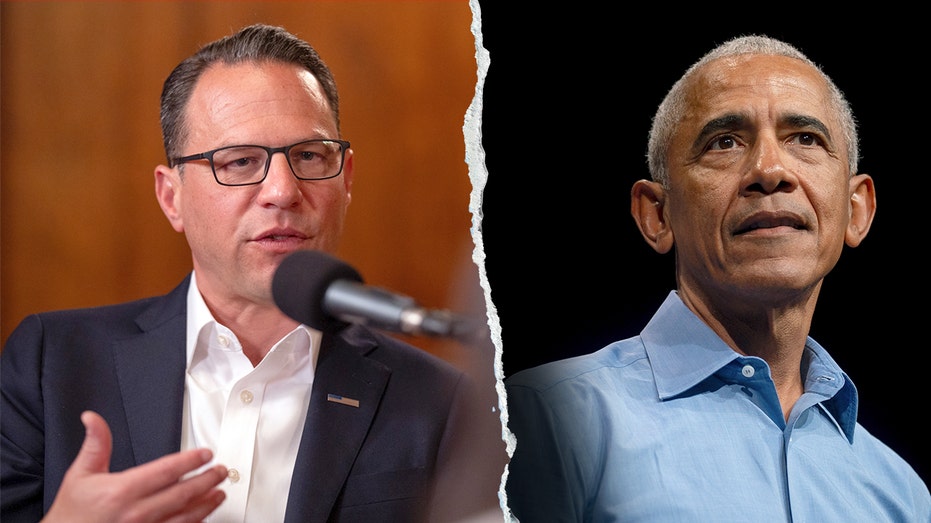
Pennsylvania Governor Josh Shapiro’s recent rebuke of former President Barack Obama’s 2008 remarks about "bitter" small-town voters signals more than just intra-party disagreement—it highlights enduring tensions within the Democratic Party regarding how it engages with the working-class electorate. Shapiro’s framing of Obama’s comments as an insult rather than an impetus for change reflects a broader reckoning about the messaging and strategies Democrats have used—and often struggled with—over the past two decades as economic shifts reshaped the American heartland.
The Bigger Picture: Roots of the 'Bitter' Narrative
Obama’s 2008 comments occurred in the depths of the Great Recession, addressing the pain felt by Midwestern communities. For decades, these areas had been hollowed out economically due to globalization, automation, and trade policies that led to factory closures and job losses. The "rust belt" faced mounting unemployment and social dislocation, a demographic whose political loyalties were still up for grabs as Democrats sought to balance their coalition with urban progressives and working-class whites.
Obama's characterization of these communities as "clinging" to guns, religion, and nativist sentiments captured a particular frustration: Democrats risked being seen as dismissive of these voters’ lived experiences, which many found patronizing. This tension had a precedent in Hillary Clinton’s 2016 "basket of deplorables" remark, which similarly alienated many working-class voters and arguably contributed to Donald Trump's 2016 victory by energizing his base's anti-establishment sentiment.
What This Really Means: Messaging, Identity, and the Working Class
Shapiro’s critique underscores a fundamental challenge the Democratic Party faces: how to honestly address economic insecurity and cultural concerns without sounding condescending or alienating key voter groups. His observation that Obama "insulted the very folks who were suffering" reveals a missed opportunity for empathy paired with substantive solutions.
This debate is not simply about rhetoric but about winning elections in battleground states like Pennsylvania where working-class voters hold sway. Shapiro’s positioning is strategic and symbolic—he appeals to those voters who felt cast aside while navigating the political realities of a binary choice between Trump and Democratic nominees.
His framing suggests the need for Democrats to recalibrate their approach by combining respect for cultural identity with economic policies that combat inequalities fuelled by decades-long deindustrialization.
Expert Perspectives
- Dr. Melody Crowley, Political Sociologist: "The tension between cultural recognition and economic redistribution is the defining puzzle of contemporary U.S. politics. Shapiro’s comments highlight how political elites often stumble by failing to integrate these two dimensions meaningfully."
- Mark Calabria, Former Economic Advisor: "The working class’s discontent comes from tangible economic shifts—automation, trade shocks—not just cultural displacement. Any political message ignoring economic restructuring facts won’t resonate."
- Ruth Collier, Historian of Social Movements: "Political insiders like Shapiro are now confronting the legacy of decades of neglect toward industrial communities. The language used to describe these communities has real consequences for political alignment and social trust."
Data & Evidence
According to Brookings Institution analysis, counties hard-hit by manufacturing job losses saw significant declines in political support for Democrats from 2008 to 2016—shifts partly attributed to perceptions of neglect and dismissiveness. For example, Pennsylvania’s southwestern counties lost over 40% of manufacturing employment between 2000 and 2015, correlating sharply with Democratic vote losses.
National polling by Pew Research shows that voters in economically distressed communities often prioritize economic issues but simultaneously hold conservative views on social issues, presenting a complex electoral dilemma for Democrats.
Looking Ahead: Implications for the 2028 Election and Democratic Strategy
As a potential 2028 contender, Shapiro is staking out a pragmatic stance intended to bridge divides within the Democratic base and recapture lost working-class voters. His critique of past Democratic messaging could signal a shift toward a more inclusive and less dismissive tone going forward, emphasizing policy solutions alongside cultural respect.
Future campaigns likely will need to go beyond the binary choice framework Shapiro describes, crafting nuanced narratives that address both economic revitalization and the identity anxieties that persist in many communities.
The Bottom Line
Josh Shapiro’s rebuke of Obama’s "bitter" comments illuminates the persistent fault lines within the Democratic Party about how to engage disaffected working-class voters. By emphasizing respect and solution-oriented messaging, Shapiro is pushing Democrats to reckon with past missteps that contributed to electoral setbacks. The stakes remain high: winning back these voters in battleground states is essential for Democratic electoral success in coming cycles. How the party balances economic and cultural concerns will influence American politics for years to come.
Topics
Editor's Comments
Shapiro’s critique is emblematic of a deeper generational and ideological struggle within the Democratic Party. It raises crucial questions about how political elites interpret and respond to cultural and economic anxieties that fuel populist movements. While Obama’s comments reflected frustration at the time, Shapiro’s approach signals a potential recalibration toward humility and inclusion. Yet, the challenge remains: how can Democrats simultaneously address structural economic change and the identity politics that often dominate media narratives? This is more than a messaging issue—it’s about redefining party priorities to rebuild a coalition fractured by decades of economic and cultural transformation. The way Shapiro and his peers navigate these tensions will shape American electoral politics for years ahead.
Like this article? Share it with your friends!
If you find this article interesting, feel free to share it with your friends!
Thank you for your support! Sharing is the greatest encouragement for us.