Minnesota Under the Microscope: How a Fraud Crackdown Could Reshape America’s Safety Net

Sarah Johnson
December 16, 2025
Brief
A federal strike team heading to Minnesota isn’t just a local fraud story—it’s a test of how the U.S. will police its safety net after pandemic-era expansion and scandal.
Why Minnesota’s Fraud Crackdown Is Really About the Future of the U.S. Safety Net
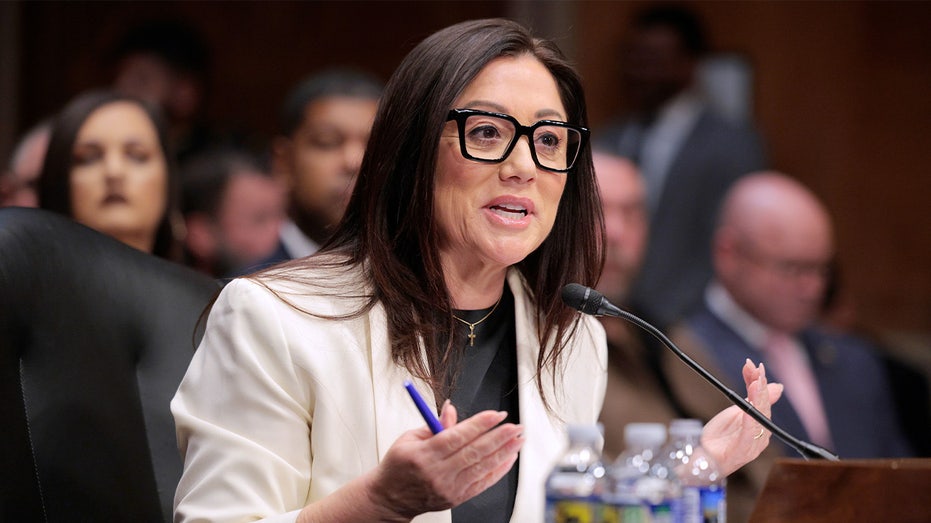
The decision by Labor Secretary Lori Chavez-DeRemer to dispatch an “unemployment insurance strike team” to Minnesota isn’t just a story about one state’s alleged misconduct. It’s a test case for how the federal government will police a vast, often fragile web of safety-net programs that expanded dramatically during COVID-19 and remain politically contested. What happens in Minnesota could shape how aggressively Washington oversees state-run benefits nationwide—and how much risk policymakers are willing to tolerate in getting aid to vulnerable people quickly.
Beyond Minnesota: The Bigger Structural Story
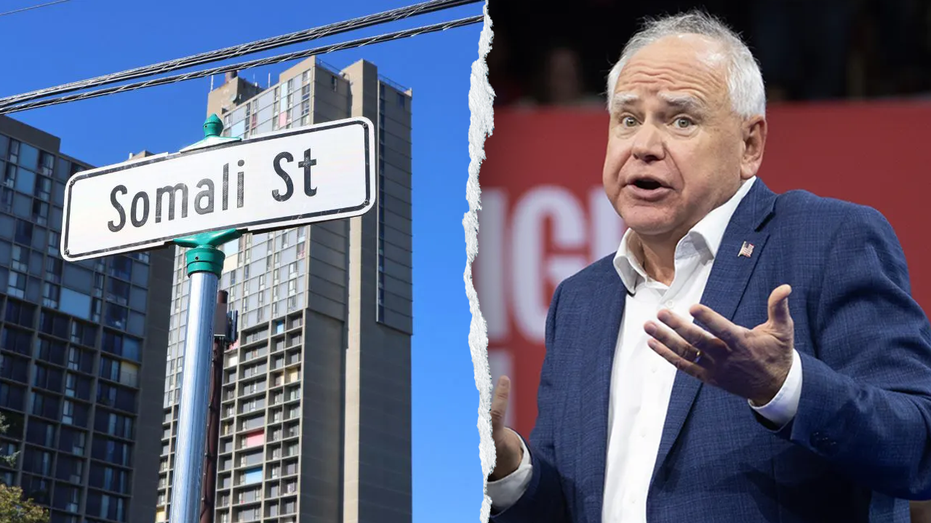
To understand why this matters, it helps to zoom out. Minnesota is now under federal review for alleged fraud across several benefits programs: unemployment insurance (UI), Medicaid-funded housing services, autism support, and child nutrition programs. This follows high-profile cases like the $250 million “Feeding Our Future” scandal and emerging fraud in the state’s Housing Stability Services Program.
But Minnesota is not an outlier in experiencing fraud; it is an outlier in how visible and concentrated these allegations have become. The underlying pressures are national:
- Massive federal money flows during and after COVID-19, often deployed on accelerated timelines.
- Decentralized administration, where federal programs are funded by Washington but run by states, counties, nonprofits, and contractors with uneven oversight capacity.
- Legacy IT and weak data systems in unemployment and Medicaid programs, many dating back decades.
- Policy choices to prioritize speed over control—for instance, waiving certain requirements in child nutrition programs to feed kids quickly during school closures.
What the Labor Department is signaling by sending a strike team is that the accountability phase has begun. The question is whether this becomes a narrowly targeted cleanup—or the beginning of a tougher, more punitive era of federal oversight that could reshape the social safety net far beyond Minnesota.
Historical Context: We’ve Been Here Before
Federal benefit fraud scandals tend to follow a pattern: long periods of underinvestment and complacency, a shock event that drives rapid program expansion, and then a political backlash once fraud is exposed.
Three historical episodes are especially relevant:
- Unemployment Insurance during COVID-19 (2020–2022)
The Government Accountability Office (GAO) and the Department of Labor’s own inspector general have estimated that fraud in pandemic unemployment programs likely reached at least tens of billions of dollars, with some independent estimates going far higher. Much of it exploited hastily created programs, identity theft, and weak verification systems. Minnesota is now under scrutiny in part to determine whether similar vulnerabilities are still active in its UI system. - Medicaid and home- and community-based services (1990s–present)
Medicaid’s long history is riddled with billing scams, phantom providers, and services never delivered. Fraud crackdowns—especially around home care and community-based services for people with disabilities—have repeatedly led to waves of enforcement followed by concerns that legitimate providers and beneficiaries are being swept up. Minnesota’s Housing Stability Services Program, providing Medicaid-funded housing support to vulnerable populations, fits this pattern almost perfectly. - Child nutrition and nonprofit intermediaries
Federal child-feeding programs, particularly when routed through nonprofit sponsors, have periodically been targets for fraud. What was different during COVID was the scale and the waiver of many normal documentation requirements to get meals out quickly. The Minnesota “Feeding Our Future” case is one of the largest alleged frauds to emerge from that environment.
In each cycle, political reaction tends to swing from “We need to get help out fast” to “We must never let this happen again,” often without a clear strategy for balancing those imperatives. Minnesota is now at the center of that pendulum swing.
Why the Labor Department’s Strike Team Matters
On paper, the Department of Labor’s action is about unemployment insurance, but the letter to Minnesota officials explicitly references fraud concerns across multiple benefit systems. That’s important for several reasons:
- It blurs the line between UI and broader safety-net integrity. UI is administered by state workforce agencies, but the federal inquiry is clearly informed by fraud allegations in Medicaid and child nutrition programs. That suggests Washington is starting to treat fraud risk as an ecosystem problem, not a program-by-program issue.
- It sets a precedent for federal intervention. When federal funding is at risk—especially in Medicaid and UI trust funds—the government has tools ranging from enhanced monitoring to payment holds, corrective action plans, and, in extreme cases, threats to withhold funds. Minnesota could become the template for what that escalation looks like.
- It’s intertwined with national political messaging. President Donald Trump’s framing of Minnesota as a “hub of fraudulent money laundering activity” elevates what might otherwise be a technocratic oversight action into a symbol of broader claims about government waste and mismanagement.
Regardless of partisan positioning, the underlying policy question is stark: how much fraud are we willing to risk to ensure that marginalized groups—children in poverty, people with disabilities, and those with mental illness or substance-use disorders—receive help quickly and reliably?
The Overlooked Vulnerability: Innovation Without Infrastructure
One of the least-discussed aspects of the Minnesota story is that some of the allegedly exploited programs were relatively new or newly expanded: housing stabilization benefits under Medicaid, more flexible child-feeding models during COVID, and expanded UI programs amid unprecedented unemployment. Policymakers were effectively layering innovation onto antiquated oversight infrastructure.
Consider three structural vulnerabilities:
- Complex vendor chains. Programs like Feeding Our Future relied on layers of intermediaries—nonprofits, caterers, site managers—making it easier to fabricate participation or inflate meal counts. Each layer introduces more places for accountability to weaken.
- Data silos. UI systems, Medicaid claims, and child nutrition reimbursement data are often stored in separate systems, with little real-time cross-checking. Fraudsters can exploit these gaps, cycling identities or entities across programs.
- Understaffed regulators. State agencies overseeing benefits often have fewer auditors and investigators than the scale and complexity of the programs warrant. When billions in new funds arrive suddenly, oversight capacity rarely scales proportionally.
The Department of Labor’s strike team model implicitly acknowledges this: instead of relying solely on standing state or regional staff, Washington is deploying specialized, rapid-response teams to reconstruct what went wrong. That can be effective in emergencies, but it is not a substitute for modernizing core systems and staffing.
Expert Perspectives: Fraud, Trust, and the Risk of Overcorrection
Experts across disciplines warn that the danger now isn’t only that fraud occurred—it’s that the policy response could overcorrect in ways that hurt the very people the programs are meant to serve.
Dr. Kathryn Edwards, a labor economist and unemployment insurance specialist, has argued in past work that, “Every dollar lost to fraud is a problem, but every eligible worker who never receives benefits because the system is locked down is a different kind of failure—one we measure far less carefully.” Her point applies broadly to Minnesota’s situation: aggressive fraud controls can deter bad actors, but they can also create barriers for people with limited documentation, unstable housing, or language challenges.
On the health and social services side, Professor Sara Rosenbaum, a noted Medicaid law expert, has long warned that when fraud scandals erupt in home- and community-based services, the policy response often results in “collateral damage” for legitimate providers and patients—especially smaller, community-based organizations serving people with disabilities and mental illness.
From the anti-fraud and law enforcement perspective, however, the argument cuts the other way. Former federal prosecutor Michael Granston has emphasized that “high-profile fraud schemes are not just about dollars lost; they undermine public support for programs that depend on broad political consent.” In other words, failing to act can be just as dangerous to the sustainability of safety-net programs as overreacting.
Data Points: How Big Is This Problem Really?
While the full scope of Minnesota’s alleged fraud is still emerging, some numbers help frame what’s at stake:
- Feeding Our Future case: At least $250 million in alleged fraud tied to child nutrition funds during COVID-19, with at least 77 individuals charged.
- Broader Minnesota fraud investigations: More than 80 people have been charged across schemes affecting Medicaid and other federally-funded programs, with more charges expected.
- Nationally in UI: The Department of Labor’s inspector general has estimated that at least tens of billions in pandemic unemployment benefits were misspent or fraudulently obtained. Some estimates suggest total improper payments may exceed $100 billion across all pandemic unemployment programs.
- Medicaid improper payments: Federal estimates in recent years have put Medicaid improper payment rates—fraud, errors, and lack of documentation combined—in the tens of billions of dollars annually.
These numbers illustrate why the rhetoric around “trust funds” and “taxpayer dollars” is so potent. For policymakers seeking to rein in federal spending or reshape social programs, fraud provides both a policy concern and a political lever.
What’s Being Overlooked in the Minnesota Debate
Much of the public conversation focuses on the alleged fraudsters and political blame. Several critical questions remain underexplored:
- Who designed and approved these newer programs and waivers? The balance of responsibility between federal agencies that relaxed rules and state agencies that implemented them is rarely parsed in detail. Minnesota’s case could force that conversation.
- What happens to legitimate beneficiaries during the crackdown? People receiving housing stabilization services, autism support, or nutrition assistance may face disruptions as agencies tighten oversight, freeze providers, or revise eligibility. These human impacts receive far less attention than the indictment headlines.
- Will this lead to systemic modernization or just episodic enforcement? Strike teams and targeted reviews are reactive tools. The more consequential question is whether Congress and federal agencies will invest in integrated data systems, modern ID verification, and analytics that can catch fraud early without blocking legitimate claims.
- How will racial and geographic inequities play out? Many of the providers and communities involved in programs like Feeding Our Future and housing stabilization serve immigrant and low-income communities. Historically, fraud crackdowns in such contexts have sometimes fed perceptions of collective guilt or produced disproportionate scrutiny of certain groups.
Looking Ahead: What to Watch
The Minnesota investigation will unfold over months, not days. Several key developments will hint at how far-reaching the consequences will be:
- Scope of the Labor Department’s findings. If the strike team identifies systemic weaknesses—rather than isolated cases—other states could face similar interventions, particularly those with large pandemic-era expansions in UI and Medicaid services.
- Federal funding threats or conditions. Watch whether any federal agency moves from reviews and letters to concrete conditions on funding, corrective action plans, or threats to withhold funds. That would mark a new level of assertiveness in federal-state relations.
- Legislative reactions. Congress could seize on Minnesota as justification for tightening eligibility rules, reducing waiver authority, or adding new reporting and documentation burdens. Conversely, it could also use the scandal to finally invest in modernizing UI and Medicaid infrastructure.
- State-level reforms and political fallout. Minnesota leaders may overhaul contractor vetting, audit systems, and data-sharing agreements. The narrative that emerges—whether of a state cleaning up its act or being singled out for political reasons—will shape how other states respond.
The Bottom Line
The deployment of a federal strike team to Minnesota is less about one state’s mistakes and more about a long-delayed reckoning with how America runs its safety net. Decades of underinvestment in oversight systems, combined with rapid program expansion during crises, have created fertile ground for fraud. The policy challenge now is to build safeguards that are smart, not just harsh—preventing abuse without paralyzing programs that millions depend on.
What happens in Minnesota will help answer a bigger question: Can the U.S. design social programs that are both humane and hard to steal from? Or will each new fraud scandal pull the politics of the safety net further toward suspicion and restriction, at the expense of those who need it most?
Topics
Editor's Comments
What makes the Minnesota story so consequential is not simply the scale of allegedly stolen funds, but the way it crystallizes a tension we haven’t resolved since the pandemic: our systems were never built to move this much money, this fast, to this many people. Policymakers essentially tried to retrofit emergency generosity onto Cold War–era infrastructure and then acted surprised when bad actors slipped through. The danger now is that the political backlash treats fraud as a justification to retrench the safety net, rather than an argument to finally invest in modern, secure delivery systems. If Minnesota becomes a cautionary tale only about fraud, we will miss the deeper lesson—that integrity and generosity in public programs rise or fall together. Without credible enforcement, support erodes; without robust, accessible benefits, the point of these programs disappears. The real reform agenda has to tackle both sides simultaneously.
Like this article? Share it with your friends!
If you find this article interesting, feel free to share it with your friends!
Thank you for your support! Sharing is the greatest encouragement for us.