NFL Week 16 Is the Real Power Test: What Playoff Chaos Reveals About the Modern League

Sarah Johnson
December 18, 2025
Brief
Week 16’s playoff-clinching chaos reveals far more than standings. This analysis breaks down what these matchups expose about NFL parity, roster building, QB economics, and the league’s entertainment strategy.
NFL Week 16 Isn’t Just About Playoff Math – It’s a Stress Test for How the Modern League Works
Week 16 of the NFL season looks, on the surface, like a tangle of clinching scenarios and tiebreakers: the Broncos and Rams already in, the Bills, Patriots, Jaguars and Chargers jockeying in the AFC, while the Seahawks, Eagles, Bears, Packers and 49ers sit on the brink in the NFC. But beneath the spreadsheets and scenario graphics, this week functions as a stress test for the NFL’s competitive system, its new 17-game era, and the shifting power map of the league.
These games will not just determine who gets in; they will shape narratives about franchise models, coaching philosophies, quarterback investments and even the league’s expanding relationship with gambling and broadcast partners. Week 16 has quietly become the fulcrum of the season – late enough that every game is loaded with consequence, but early enough that almost everyone still has something to play for. That is by design.
The Bigger Picture: How We Got to This Week-16 Pressure Cooker
To understand why so many teams are alive this late, you have to look at three structural changes over the past two decades:
- The 17-game schedule & 7th playoff seed: Since 2021, each conference has seven playoff teams instead of six, and only the No. 1 seed gets a first-round bye. This expanded field keeps fringe teams relevant longer and magnifies late-season chaos.
- Parity engineered by the salary cap: The NFL’s hard salary cap and revenue-sharing system are designed to pull the middle toward the center. Superteams are rare; clusters of 8–7, 9–6 and 7–8 teams are common, creating cluttered standings and Byzantine clinch scenarios.
- Schedule-making as entertainment product: The league deliberately backloads divisional games and likely playoff-deciders into Weeks 15–18. Matchups like Broncos–AFC West implications, Rams–Seahawks for the NFC West, and Lions-adjacent games determining half the NFC reveal a calendar engineered for maximum suspense.
Historically, this is a sharp contrast with eras like the 1980s and early 1990s, when 14- or 16-team playoff fields and fewer late-season divisional games often left Week 16 with dead rubbers. The league learned a lesson from those ratings valleys: keep hope alive as long as possible.
What This Week Really Tells Us About the State of the League
1. The AFC’s crowded middle is a referendum on quarterback economics
The Bills, Patriots, Jaguars and Chargers all enter Week 16 in some form of clinching scenario. What they share is not just playoff proximity but an ongoing experiment with how to build around a quarterback in the current financial ecosystem:
- Buffalo Bills: Built around a franchise quarterback (Josh Allen) already on a massive extension. Their roster is a case study in the tradeoffs of paying a star passer: the need to constantly backfill cheaper depth, especially on defense.
- New England Patriots: Transitioning from the Tom Brady dynasty into a post-dynasty identity, still searching for stable, elite quarterback play. Their potential path in via defense, coaching and opportunism recalls earlier, pre-Brady Patriots teams that relied on structure over star power.
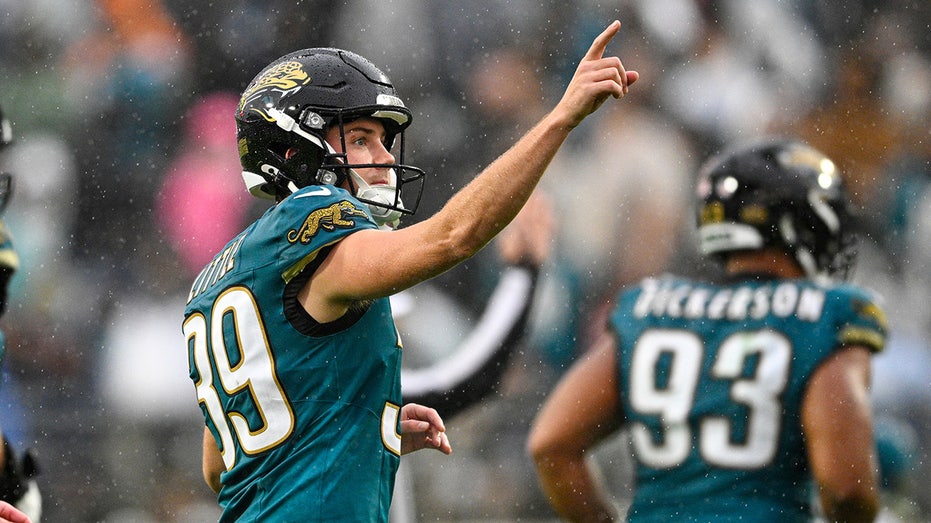
- Jacksonville Jaguars: Trying to capitalize on the tail end of Trevor Lawrence’s cheaper years (even as extensions loom), a strategy that worked for teams like the early Mahomes Chiefs and the Wilson-era Seahawks.
- Los Angeles Chargers: A classic “talent-rich but fragile” roster built around Justin Herbert’s arm – big investments in a handful of stars, but with recurring questions about durability, coaching and game management.
Week 16 serves as a quiet referendum on which team-building philosophy travels best under pressure. Getting in or missing out by a game doesn’t prove a model right or wrong, but it shapes front-office psychology: who panics, who doubles down, and who becomes the next template for the rest of the league.
2. The NFC race exposes the volatility of rebuilding and the rise of “fast-track” turnarounds
The Bears and Packers hovering over playoff-clinch scenarios would have sounded absurd just a couple of seasons ago. But in the modern NFL, “multi-year rebuilds” are increasingly being replaced by two-year accelerations:
- Chicago Bears: Once a model of dysfunction and offensive futility, Chicago’s presence in these scenarios reflects how quickly fortunes can change in a league where rookie contracts, high draft picks and smart free-agent bets can swing a team from irrelevance to contention.
- Green Bay Packers: The Jordan Love era represents a rare experiment: forcing a post-Hall-of-Fame transition without tearing it down to the studs. If they clinch, it validates a more patient, “sit-and-develop” quarterback model in a league increasingly leaning toward throwing rookies into the fire.
Over the past decade, we’ve seen similar arcs with the Eagles (from Wentz collapse to Hurts-led contender), the 49ers (from injury-ravaged to NFC powerhouse) and the Lions (from punchline to playoff threat). Week 16 outcomes for Chicago and Green Bay will color how other franchises view patience versus teardown.
3. Divisional identity is still king – Rams, Seahawks, 49ers, Eagles
The NFC West and NFC East remain among the league’s most influential divisions, and this week underscores why:
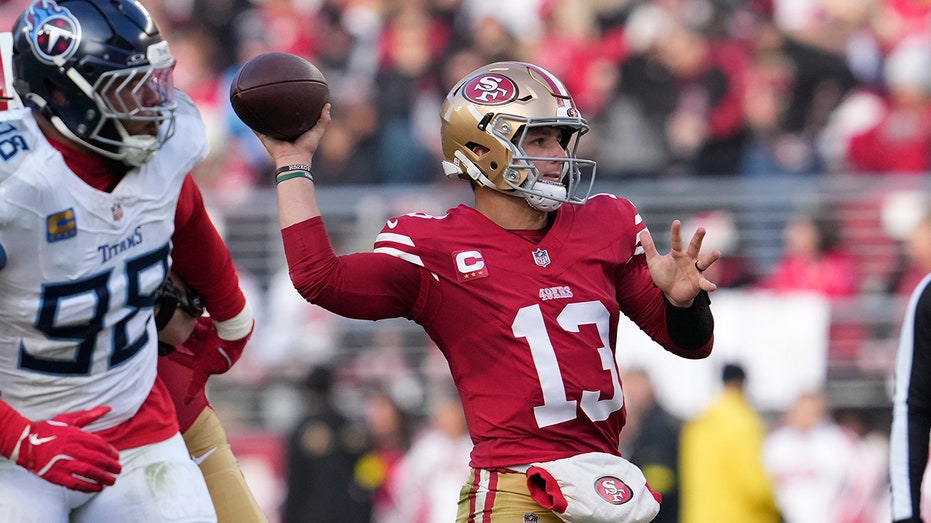
- Rams vs. Seahawks and the 49ers’ path: These are not just games; they’re contests between distinct team identities. The Rams’ cap-gamble, star-centric era has evolved into a more balanced, retooled roster. The Seahawks cling to a Pete Carroll era culture of defense-plus-explosiveness, even as the roster turns over. The 49ers continue to lean into one of the league’s most sophisticated offensive systems, with Brock Purdy as the latest proof that scheme plus supporting cast can elevate a non-elite draft pedigree quarterback.
- Eagles and the NFC East: Philadelphia is in position to clinch the division or benefit from a Cowboys misstep, highlighting a broader point: in an expanded playoff structure, winning your division still massively increases your margin for error – home games, seeding advantages, and less brutal travel.
Divisions are sometimes dismissed as arbitrary groupings, but Week 16 shows how they still shape rivalry intensity, coaching tenures and media narratives. A division title can save a job; missing the playoffs via a divisional tiebreaker can end one.
4. The league’s relationship with gambling and entertainment is baked into weeks like this
The dizzying clinch scenarios – “win and a Colts loss or tie, or a Texans loss or tie,” “tie plus opponent loss,” “Lions loss or tie” – aren’t just playoff math. They feed into an ecosystem where:
- Sportsbooks build custom markets around qualification odds.
- Broadcasters sell narratives around “who controls their own destiny” versus “who needs help.”
- Fantasy and daily fantasy platforms see massive engagement spikes with so many teams still live.
Week 16 is now packaged content – a portfolio of must-watch windows in which almost every game has something at stake for either seeding, jobs, or narratives. The NFL’s carefully calibrated balance is clear: maximize uncertainty, but ensure enough structure that fans can still follow what’s at stake.
Data & Evidence: Why Week 16 Is Now the Real Pivot Point
Several trends from the last decade help explain why this particular week is so loaded:
- Since the introduction of the seventh seed, the difference between being the 6th, 7th or 8th team in the AFC/NFC is often one game – or a single head-to-head result from September.
- In multiple seasons since the expansion, more than half of the league has remained mathematically in contention entering Week 16. That’s a stark contrast to earlier eras when 8–8 (or 8–7 pre-17 games) often wasn’t enough to stay alive.
- Games featuring teams with diverging stakes (one already eliminated) still draw strong viewership when the live team is a brand franchise (Bills, Packers, Eagles), revealing the value of historical brands in late-season windows.
While final 2025 data isn’t yet available, prior seasons show that late-December national windows consistently rank among the most watched broadcasts in American television each year. The NFL’s competitive structure directly feeds into that outcome.
Expert Perspectives: What Week 16 Reveals About Strategy and Stability
Football analysts and former executives have long argued that late-season performance often reveals more about organizational health than raw record. As former general manager Andrew Brandt has noted in past seasons, “December is where you see who has sustainable infrastructure. Injuries, fatigue, and pressure expose the weak spots in roster-building and coaching.”
When you look at teams like the 49ers or Bills, who again have paths to clinch, you see organizations that have mastered sustained relevance: stable coaching structures, defined offensive identities, and front offices willing to make aggressive but coherent personnel moves. On the other side, teams that constantly hover in the “in the hunt” graphic without breaking through may face an uncomfortable question after Week 16: is this ceiling acceptable?
Looking Ahead: What Week 16 Will Decide Beyond Playoff Spots
The outcomes of this slate will reverberate far beyond the bracket:
- Coaching futures: A clinched spot for a fringe team can buy time for a coaching staff; a near-miss may trigger firings on Black Monday. Teams like the Chargers or Bears, depending on how their seasons close, will be central to this conversation.
- Quarterback narratives: Josh Allen, Justin Herbert, Trevor Lawrence and younger starters like Jordan Love are building résumés not just for fans, but for future contract leverage and franchise patience.
- Scheme copycats: If Kyle Shanahan’s 49ers again secure their place with a late surge, expect another offseason of imitators chasing motion-heavy, matchup-exploiting offenses – and continuing the trend of coordinators getting fast-tracked to head coaching jobs.
- Market perception: Struggling brands that sneak in (or just miss) will face very different ticket, sponsorship and media narratives in 2026. The line between “up-and-coming” and “stuck in neutral” is often a single December result.
The Bottom Line
Week 16 isn’t just about who needs a win and “a Texans loss or tie.” It’s a window into how the modern NFL is engineered: parity-driven, quarterback-centric, entertainment-optimized and unforgiving to organizations that can’t adapt quickly. For fans, it’s chaos. For franchises and decision-makers, it’s an X-ray – revealing which teams have built foundations sturdy enough to withstand the late-season storm, and which are still improvising their way through it.
Topics
Editor's Comments
One under-discussed aspect of Week 16’s significance is how it shapes perception, which in the NFL is often as powerful as reality. When a team like the Bills or 49ers routinely clinches early or controls its own destiny late, it reinforces a story of institutional competence that can become self-fulfilling: free agents take discounts to join, coaches want to work there, and ownership is more willing to be patient during down cycles. On the other hand, franchises that perpetually hover in the ‘in the hunt’ tier without breaking through can develop an opposite aura—of being perpetually unlucky or poorly run—even when the underlying process is sound. Week 16, because of its visibility and clear stakes, amplifies these narratives. The danger is that single-game outcomes, driven by injuries or random bounces, can drive long-term decisions out of proportion, prompting panicked coaching changes or rushed quarterback moves. The smartest organizations use Week 16 as data, not destiny, folding it into multi-year evaluations rather than letting it dictate them entirely.
Like this article? Share it with your friends!
If you find this article interesting, feel free to share it with your friends!
Thank you for your support! Sharing is the greatest encouragement for us.