NHL’s Olympic Return at Risk: How Milan-Cortina 2026 Arena Delays Threaten Global Hockey’s Spotlight

Sarah Johnson
December 4, 2025
Brief
Analyzing NHL players’ potential absence from the 2026 Olympics amid Milan-Cortina arena construction delays, exploring historical context, implications for international hockey, and future league-Olympic relations.
Why NHL Players’ Olympic Return Faces a Critical Test in Milan-Cortina 2026
The potential absence of NHL players from the 2026 Winter Olympics signals more than just construction delays — it underscores deeper tensions between international sporting ambitions, logistical realities, and the evolving priorities of professional leagues. After a 14-year hiatus from Olympic participation, the NHL’s possible withdrawal would disrupt expectations shaped by high-profile global events and reshape ice hockey’s international dynamics.
The Bigger Picture: A History of NHL and Olympic Relations
The NHL’s involvement in the Winter Olympics has been intermittent, shaped by competing interests between league schedules and international collaboration. The league’s historic participation in the 1998 Nagano Games broke ground by showcasing NHL stars on the Olympic stage, elevating hockey’s global profile. However, since 2014, the NHL has not sent players to the Olympics, citing concerns over season disruptions and financial implications.
This absence has impacted the prestige and competitive balance of Olympic hockey tournaments, prompting ongoing dialogue about the feasibility of NHL involvement. The 2026 Milan-Cortina Games were poised to mark a significant return, symbolizing a renewed partnership between the NHL, the International Ice Hockey Federation (IIHF), and the International Olympic Committee (IOC). But these plans now face unprecedented hurdles.
The Underlying Causes: Why Construction Concerns Matter Beyond the Surface
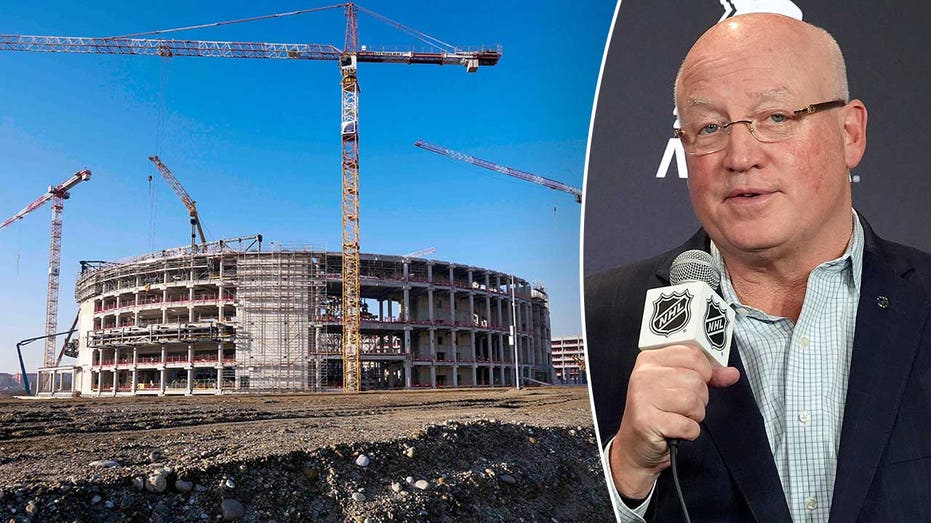
At face value, the NHL Deputy Commissioner Bill Daly’s warning about players potentially skipping the Olympics is a reaction to logistical challenges—specifically, the incomplete and undersized ice rink at the Santagiulia arena. Yet, this issue reveals broader strains:
- Standards and Safety: The NHL has strict requirements for rink dimensions and ice quality, ensuring player safety and maintaining the league’s style of high-skilled play. A rink three feet shorter than NHL norms compromises gameplay integrity and risks player safety.
- Trust in Hosts and Planning: Delays in venue construction raise doubts about organizing capacity. The evident ‘no plan B’ stance by Milan-Cortina organizers magnifies risk, placing NHL players and the league in a difficult position regarding reputation and liability.
- Strategic Priorities: The NHL is balancing its commitment to global hockey development against protecting its season's integrity and player welfare. This situation illuminates how Olympic participation must align with league interests to sustain collaboration.
What This Really Means for International Hockey
NHL players skipping the Winter Olympics would mark a setback for the Olympics’ allure as a showcase for the world’s top talent. The absence would likely depress global viewership and diminish competition quality, particularly impacting countries reliant on NHL talent for a competitive edge.
Moreover, this impasse could deepen the divide between North American professional hockey and international hockey governance, echoing past tensions seen in sports where league and Olympic schedules collide. It also puts pressure on the IOC and future host cities to deliver flawless infrastructure, highlighting the stakes involved when staging mega-events.
Expert Perspectives
Michael McNally, an international sports event consultant, explains, “The NHL’s concerns are not merely about the rink dimensions but about trust and reliability. If the host can’t guarantee the venue’s readiness a year in advance, it raises flags about risk management and stakeholder confidence.”
Dr. Laura Simmons, a professor of sports management, adds, “This scenario illustrates the shifting power dynamics between leagues and international committees. Professional leagues now have formidable leverage in negotiating Olympic participation; it’s no longer a given that they’ll prioritize the Games.”
Data & Evidence: Putting the Delay in Context
- The Santagiulia arena’s 16,000-seat capacity, while substantial, is on the small side compared to NHL arenas averaging over 17,000 seats, presenting questions about scale and revenue generation.
- Olympic venues traditionally host test events up to a year before the Games to fine-tune operations—Milan failing to do so compounds risk.
- Since NHL players last participated in 2014, Olympic hockey ratings in North America have declined by nearly 20%, underscoring how NHL involvement significantly boosts audience interest.
Looking Ahead: What to Watch Before and During the Games
Key indicators will include whether the Santagiulia arena meets NHL standards by late January 2026, and how flexible the NHL and IOC are in adapting schedules or venues. Watch also for how this episode might reshape future Olympic bidding processes, with leagues demanding stronger assurances and greater input.
The NHL’s potential decision sets a precedent for professional sports leagues’ rights in the Olympic ecosystem, possibly prompting early negotiations and stricter contractual obligations in advance of 2030 and beyond.
The Bottom Line
While construction delays at Milan’s main ice hockey arena drive immediate NHL concerns, the story highlights broader challenges at the intersection of global sports governance, professional league priorities, and world-class event execution. The NHL’s warning is a critical case study in how infrastructure, trust, and strategic alignment shape the future of international hockey on the Olympic stage.
Topics
Editor's Comments
This looming NHL withdrawal from the 2026 Olympics over a construction issue reveals cracks beneath the shiny surface of international sports cooperation. It challenges organizers to meet professional standards that have become non-negotiable for leagues. More profoundly, it exposes how controlling access to elite athletes has become strategic leverage for leagues, pressing the IOC and IIHF to rethink how Olympic hockey is planned and staged. The question remains: will future Winter Games adapt to accommodate professional leagues’ demands, or will the Olympic ideal of uniting the world’s best under a cooperative banner diminish? This episode serves as a crucial bellwether for the evolving business and governance of international sport.
Like this article? Share it with your friends!
If you find this article interesting, feel free to share it with your friends!
Thank you for your support! Sharing is the greatest encouragement for us.