Prince Harry’s ‘King Trump’ Joke: Unpacking the Historical and Political Layers Behind a Late-Night Quip

Sarah Johnson
December 4, 2025
Brief
Prince Harry’s ‘king Trump’ joke taps into historic American fears of monarchy and highlights ongoing concerns about authoritarianism, democracy, and cultural identity in the US political landscape.
Why Prince Harry’s ‘King Trump’ Quip Resonates Beyond Late-Night Humor
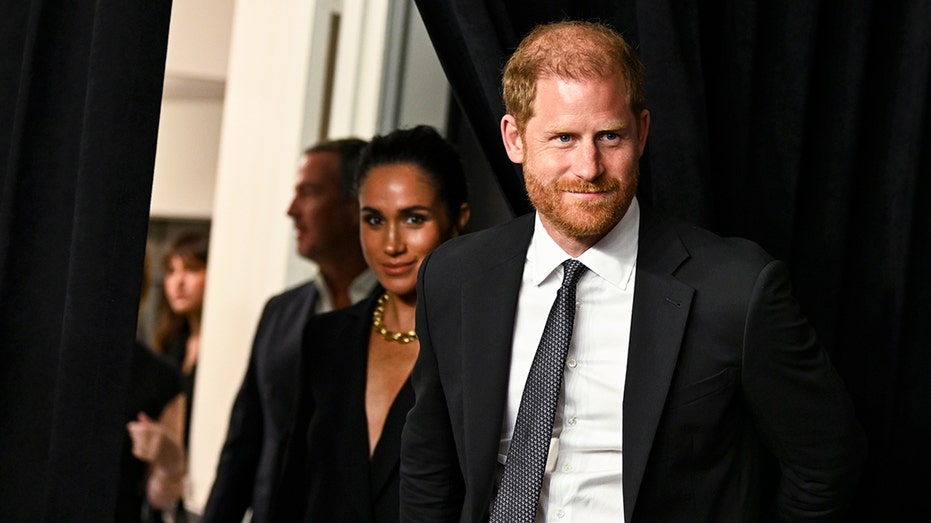
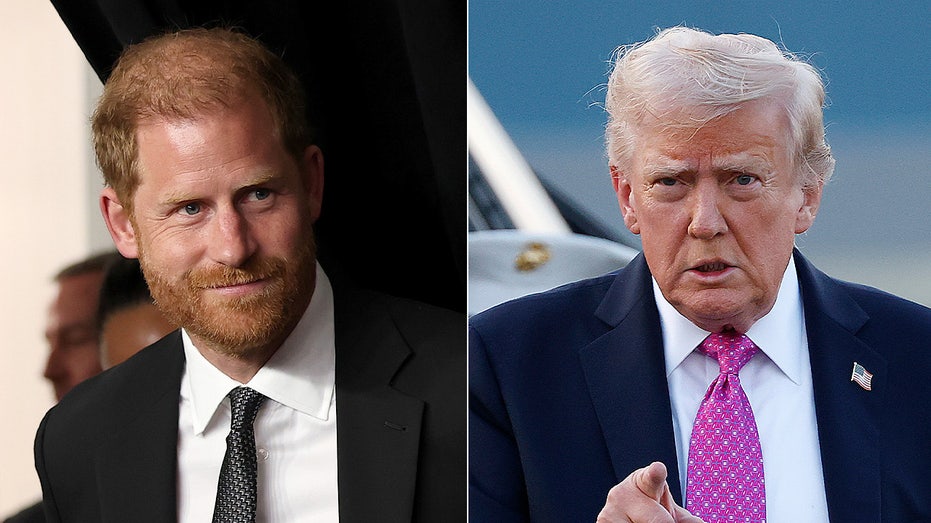
Prince Harry’s jab at former President Donald Trump during a recent appearance on "The Late Show with Stephen Colbert" offers more than just a momentary laugh—it taps into a deep and ongoing conversation about authority, democracy, and cultural identity in the United States. By calling Trump America’s "king," Harry invoked a potent historical allusion that reverberates with the country’s founding mythos and contemporary political anxieties. This analysis explores why this quip lands with significance, unpacking its historical roots, societal implications, expert perspectives, and what it signals about American political culture in 2025.
The Historical Backdrop: Royalty and American Identity
Prince Harry’s reference to Americans electing a "king" draws on the nation’s revolutionary origins. The American Revolution was fundamentally a revolt against monarchical rule and the perceived tyranny of King George III—Harry's own great, great... grandfather. This historical resentment towards monarchy shaped the very fabric of the U.S. Constitution, which explicitly rejected hereditary power in favor of republicanism. The irony of a royal commenting on American politics underscores continuing tensions about power and leadership style.
Moreover, Harry’s joke plays on the cultural paradox of American fascination with royalty despite its republican ideals. The U.S. has long exhibited a curious obsession with British royalty and celebrity aristocracy, often seen in the attention paid to royal weddings and personalities, even as the nation prides itself on egalitarian values. Harry’s playful invocation of this dynamic—joking about starring as the "Gingerbread Prince" in a Hallmark Christmas movie—highlights this cultural contradiction.
What This Really Means: Trump as a Symbol of Authoritarianism
Calling Trump "king" is not just humorous hyperbole but a sharp critique of perceived authoritarian tendencies. Throughout and following his presidency, Trump’s rhetoric and actions have raised alarms about the erosion of democratic norms. Experts like Yale political scientist Jacob Hacker have noted how Trump's presidency sparked fears of "illiberal democracy," where leaders exploit polarizing tactics to consolidate power and weaken institutions.
Harry’s joke came amid ongoing "No Kings" protests in 2025, a grassroots response to fears that Trump’s political influence threatens democratic governance. By connecting his royal lineage to the American fight against monarchy, Harry implicitly cast Trump’s style of leadership as a regression to outdated forms of centralized control. This evokes a historical warning against complacency in defending democratic checks and balances.
Expert Perspectives: The Intersection of Celebrity and Politics
Dr. Monica Martinez, a cultural studies professor at UCLA, explains, "Harry's role as a royal who has distanced himself from traditional monarchic duties gives him a unique platform to comment on power dynamics. Using humor to critique Trump's 'king' persona is a savvy way to engage global audiences on serious political concerns without overt partisanship." Martinez further notes that such moments reveal how celebrities and public figures can influence political discourse through satire and historical reference.
Meanwhile, communications analyst David Kay highlights that Harry’s employment of wry humor and meta-commentary about suing Trump and sitcom rivalries (referencing CBS’s legal settlements) deftly exposes the intertwined nature of media, law, and politics. Kay contends, "The satire layers complicate the message, inviting viewers to reflect not only on political power but also on the media ecosystem that shapes public perceptions."
Data & Evidence: Rising Authoritarian Concerns and Political Polarization
Polling data from the Pew Research Center in late 2025 indicated a sustained 60% of Americans expressed concern about authoritarian tendencies among political leaders, a figure that has increased steadily since 2016. An independent study from the Democracy Fund Tracker showed that public trust in governmental institutions remains near record lows, and that large partisan divides complicate consensus on democratic norms.
At the same time, cultural metrics reveal that holiday-themed media and fascination with monarchy-related narratives continue to grow—Netflix reported a 15% year-over-year increase in views of royal-themed content in the United States. Harry’s comment about Christmas movies taps into this blend of escapism and cultural symbolism.
Looking Ahead: What This Moment Suggests for US Political Culture
Prince Harry’s quip encapsulates broader trends where entertainment, politics, and historical symbolism intersect in complex ways. As the U.S. approaches another election cycle, the imagery of Trump as a "king"—whether earnest or satirical—may become a shorthand for fears about democratic backsliding. It also highlights growing civic fatigue and demand for political accountability, particularly among younger voters who consume politics through social and cultural lenses.
Moreover, Harry’s critique underscores the global dimension of American political developments. As a prominent British figure, his comments reflect international scrutiny of U.S. democracy, reinforcing that the American experiment remains a subject of worldwide interest and concern.
The Bottom Line
Prince Harry’s playful but pointed remarks about "king" Trump serve as a cultural Rorschach test, reflecting anxieties about leadership, democracy, and identity in the U.S. His ability to weave historical reference, humor, and political critique in a late-night talk show setting underscores the evolving terrain where public discourse unfolds. In a moment marked by polarization and institutional strain, such moments invite reflection on the values underpinning American democracy and the vigilance needed to sustain them.
Topics
Editor's Comments
Prince Harry’s late-night jest is deceptively profound. It encapsulates enduring fears within American society about concentrated power and the fragility of democratic norms. The historical weight of his royal ancestry juxtaposed with his contemporary critique of American politics challenges audiences to reckon with how past grievances against monarchy still inform today’s political anxieties. Moreover, the satire’s layered allusions to media litigation and political theatricality reveal how entwined governance and spectacle have become. This moment is a cultural flashpoint, underscoring that political commentary continues to evolve in form as much as in content, prompting reflection on the nature of authority in a deeply polarized age.
Like this article? Share it with your friends!
If you find this article interesting, feel free to share it with your friends!
Thank you for your support! Sharing is the greatest encouragement for us.