
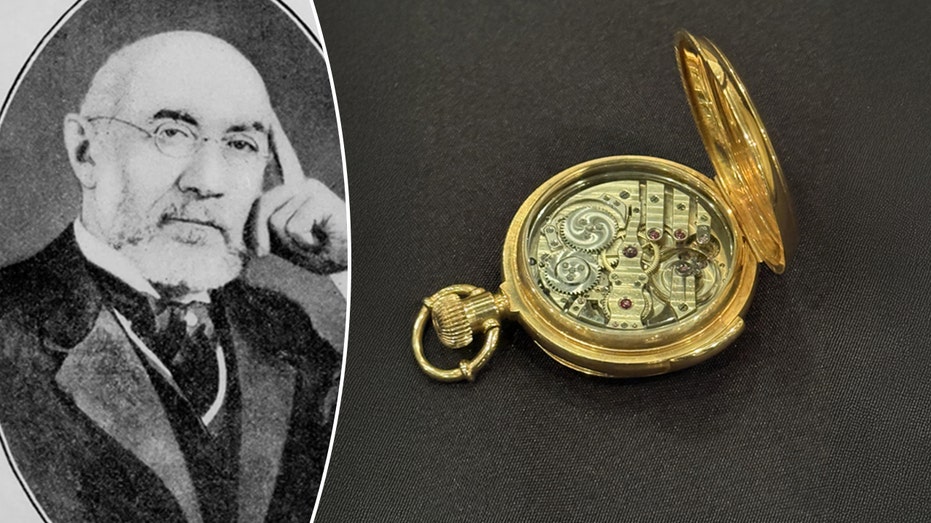
The Enduring Legacy of Titanic Artifacts: Unveiling the Cultural and Market Significance of Isidor Straus’s Pocket Watch

Sarah Johnson
December 3, 2025
Brief
Analysis of the record-breaking sale of Titanic passenger Isidor Straus’s pocket watch, exploring historical significance, market trends, and ethical considerations in commodifying tragedy and personal history.
Opening Analysis
The record-breaking sale of Isidor Straus’s gold pocket watch not only underscores the enduring fascination with Titanic memorabilia but also invites a deeper exploration of how personal artifacts serve as tangible links to pivotal historical moments. With a price tag of $2.3 million, this artifact exemplifies how intertwined collective memory and individual stories have become, fueling a lucrative market that offers a unique lens through which to examine societal engagement with tragedy and heroism.
The Bigger Picture
The Titanic catastrophe of 1912 remains one of the most studied and mythologized events of the 20th century, symbolizing technological hubris, class divisions, and human vulnerability. Over a century later, the narrative continues to evolve, not just through media portrayals but via tangible relics that foster emotional connections. The story of Isidor Straus, a prominent business magnate and philanthropist, exemplifies this enduring allure: his personal belongings, especially iconic items like the pocket watch, humanize history and transform abstract tragedy into relatable, enduring stories.
What This Really Means
From a socio-cultural perspective, the auction of Straus’s pocket watch reveals shifting paradigms in how societies consume history. The unprecedented $2.3 million sale reflects a broader trend: commodification of tragedy, where items are valued not merely as collectibles but as symbols of heroism, love, and loss. It also highlights how modern audiences seek authenticity, intimacy, and immediacy in relics that connect them directly to historical figures. This commodification, however, raises critical questions about the commercialization of tragedy, potential for distorted memories, and the ethics of profit from human suffering.
Moreover, the high valuation signifies a psychological need for human connection. In times of uncertainty, society gravitates toward stories of love and sacrifice—like that of Straus and his wife Ida—whose personal narrative is amplified through such artifacts.
Expert Perspectives
Dr. Lisa Merchant, a historian specializing in maritime disasters, explains: “Objects like Straus's pocket watch serve dual roles. They are repositories of personal memory and symbols of collective history. Their market value reflects society’s desire to connect with the human side of these tragedies, turning distant historical events into lived experiences.”
Professor Mark Reynolds, an economist focusing on cultural heritage markets, notes: “The soaring prices for Titanic memorabilia reveal a niche yet high-stakes segment of the auction market. Collectors and investors are motivated by the narrative power and rarity of such pieces, emphasizing that history has become an asset class in its own right.”
Data & Evidence
Analyses of auction trends over the past decade show exponential growth in the value of Titanic relics. For example, items like the captain’s log or personal belongings of prominent passengers have seen price surges of 300% or more, driven by a combination of media exposure, storytelling, and the cultural cachet of Titanic lore. The recent record sale of Straus’s watch surpasses previous records—such as the $1.97 million for the captain’s rescue-related pocket watch—highlighting an insatiable market for iconic artifacts associated with heroism and tragedy.
Looking Ahead
As the market for Titanic memorabilia continues to mature, several key trends will shape its future. Digital authentication, blockchain provenance, and virtual reality experiences could revolutionize how these artifacts are preserved, sold, and experienced. Additionally, forthcoming anniversary commemorations (e.g., the centennial of the sinking in 2012 and significant upcoming milestones) will likely reignite public interest, potentially leading to further record-breaking sales.
However, this also raises ethical considerations: as artifacts become more commodified, there's a risk of eroding their historical authenticity and the dignity of the individuals involved. Continued scholarly engagement will be crucial to balance commercial interests with respectful remembrance.
The Bottom Line
The auction of Straus’s pocket watch exemplifies how personal artifacts serve as powerful vessels of memory and history, fueling lucrative markets rooted in storytelling and emotional resonance. While these sales reflect society’s fascination with Titanic’s legend, they also prompt ongoing debate over the ethics of commodifying tragedy and the responsibility to preserve history with integrity. As technological advances reshape how we access and value these relics, the core challenge remains: honoring individual stories while fostering authentic understanding of one of history’s most enduring calamities.
Topics
Editor's Comments
This sale exemplifies society’s complex relationship with history—where collective memories are transformed into commodities that serve both educational and economic purposes. It prompts us to consider whether such high valuations honor the memory of those lost or risk turning tragedy into a mere commodity. As technological advances facilitate provenance verification, there is an opportunity to safeguard authenticity and ensure that these artifacts continue to foster meaningful remembrance rather than solely profit-driven pursuits. Balancing commercialization with ethical responsibility remains a crucial challenge for the future of historical relics, especially those connected to profound human stories like the Titanic.
Like this article? Share it with your friends!
If you find this article interesting, feel free to share it with your friends!
Thank you for your support! Sharing is the greatest encouragement for us.