Trump’s Primetime Test: Selling a ‘Great’ Economy to Voters Who Feel Squeezed

Sarah Johnson
December 18, 2025
Brief
Trump’s primetime address is a high-stakes attempt to bridge the gap between his upbeat economic narrative and voters’ affordability crisis. We unpack the history, data, and political risks behind it.
Trump’s Primetime Gamble: Can a Televised Victory Lap Reframe an Economy Voters Say Is Hurting Them?
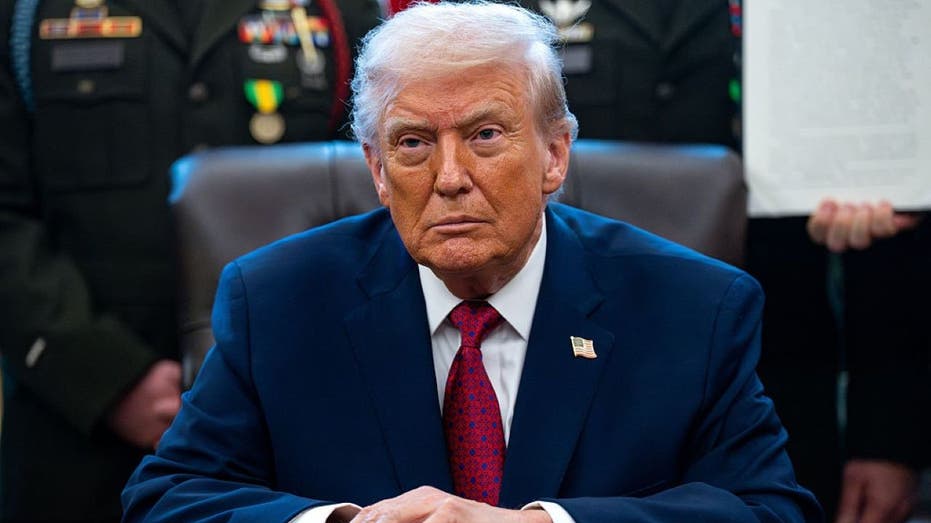
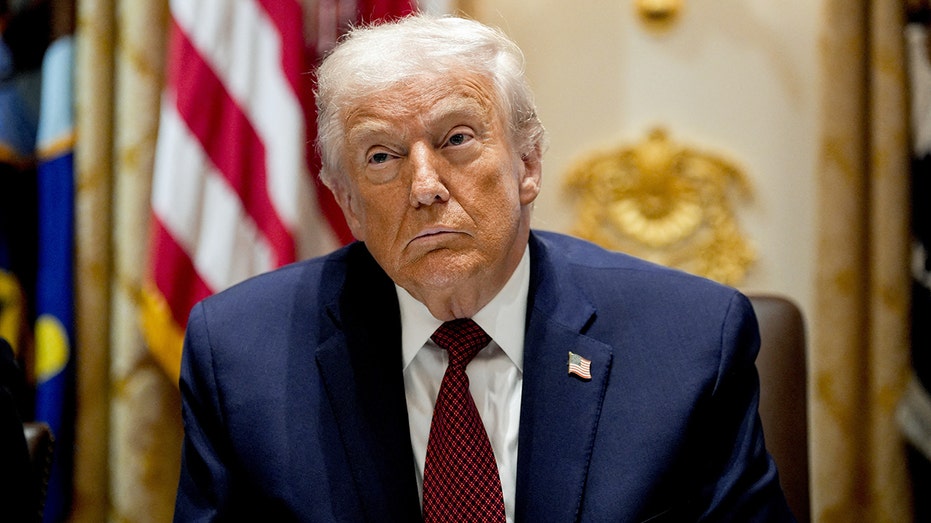
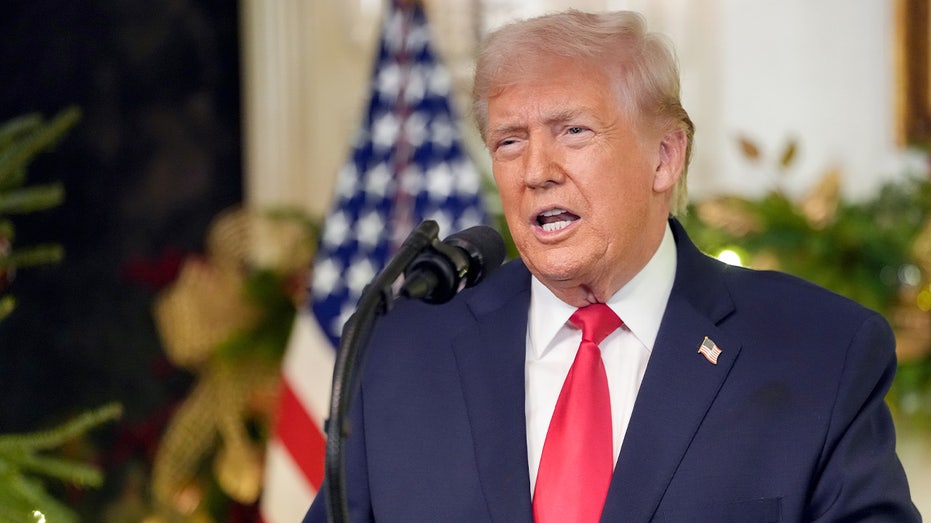
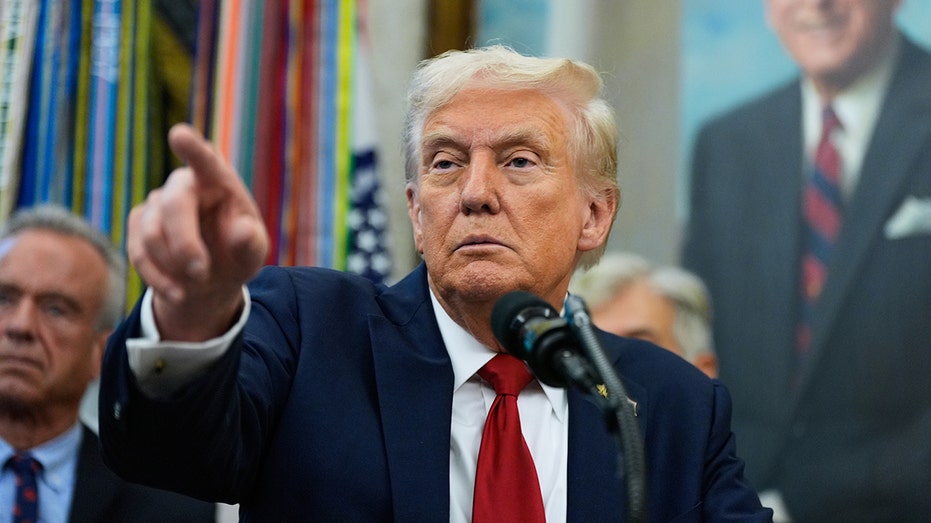
When a president claims “the best is yet to come” while three-quarters of voters say the economy feels bad, you don’t have a normal disconnect—you have a legitimacy problem. Donald Trump’s upcoming primetime address from the White House isn’t just an annual check-in; it’s a high-stakes attempt to close a widening gap between the administration’s economic narrative and lived reality at the checkout line.
On paper, Trump will be doing what presidents often do in marquee speeches: taking a victory lap on accomplishments, teasing new policy, and trying to reassert narrative control. But the context is far more volatile than a routine Oval Office address. Democrats just scored a series of surprise wins running almost entirely on the cost-of-living crisis, polling shows voters blaming Trump more than Joe Biden for their current economic pain, and the White House is leaning heavily on promises of future tax refunds and tariff-funded checks at the very moment households say they’re squeezed right now.
In other words, this speech is less about recapping eleven months in office and more about answering one brutal question: can a president persuade people their wallets are healthier than they feel?
The long shadow of past presidencies
To understand the stakes, it helps to situate Trump’s address in a longer history of presidents using primetime to reset both policy and perception.
- Ronald Reagan used nationally televised speeches in the 1980s to sell sweeping tax cuts and frame inflation and recession as the legacy of previous administrations. His ability to fuse economic storytelling with patriotic imagery reshaped Republican economic messaging for decades.
- Bill Clinton turned televised events into a running infomercial for “ending welfare as we know it” and embracing deficit reduction, recentering Democrats as fiscally cautious while addressing anxiety about globalization.
- Barack Obama used high-profile addresses to justify stimulus spending and auto bailouts after the 2008 crash, repeatedly framing his choices as cleaning up a mess he inherited.
- Trump, in his first term, used primetime speeches more sparingly—often tied to crises (immigration, Syria, Iran) rather than deep economic messaging.
The pattern is familiar: presidents blame predecessors for pain, claim credit for early improvement, and redefine what counts as success. Trump is following that script—arguing he “inherited a total mess” from Biden and that prices are now coming down—while layering on something newer: an overt promise of direct cash from tariffs and back-loaded tax breaks as proof that better times are imminent.
Historically, these addresses can move polls at the margins, but they rarely reverse entrenched perceptions unless they’re paired with visible, near-term change. That’s the hurdle Trump faces: his policies are structured to show their clearest benefits in 2026 and beyond, while voters are grading him in real time.
Why the economic messaging isn’t landing
The raw numbers in the polling cited are damning for the White House narrative:
- 76% of voters view the economy negatively, up from 67% in July.
- More voters blame Trump rather than Biden for current economic conditions.
- Three times as many say Trump’s economic policies have hurt them as say they’ve helped, comparable to the backlash against Biden in his final year.
That last point is crucial: voters are not simply punishing a president for inherited conditions, as sometimes happens early in a term. They are actively associating the current policy mix—tariffs, energy deregulation, and the new tax law—with personal financial harm.
Three dynamics help explain the gap between Trump’s triumphalism and public pessimism:
- The “macro good, micro bad” dilemma. Presidents often lean on headline metrics they can tout on a slide: rising stock market, lower headline inflation, higher wages, strong growth. Trump is clearly doing this—pointing to the stock market and 401(k)s, energy price declines, and looming tax refunds. But when households assess the economy, they don’t look at the S&P 500; they look at rent, groceries, child care, and debt payments. If those line items feel worse or only marginally better, macro bragging can sound tone-deaf.
- Lagging benefits versus immediate pain. Trump’s plan relies heavily on back-loaded benefits. The tax law passed in July won’t show up meaningfully until people file in early 2026, and tariff-funded $2,000 payments are still a proposal, not cash in hand. Meanwhile, any inflationary spillover from tariffs, supply disruptions, or sector-specific price shocks is already being felt. The White House is essentially asking voters to endure short-term pain for long-term gain at a time when patience is thin.
- Affordability as the new political center of gravity. Democrats have sharply focused on “affordability” rather than abstract “the economy,” tying every kitchen-table issue—housing, healthcare, groceries, transportation—into one story about squeezed families. Their recent wins in Virginia, New Jersey, and New York City suggest that whoever owns the affordability narrative may own the future electoral map.
Trump’s own language reveals this tension. He now uses the term “affordability” frequently, but as a rebuttal—calling Democratic warnings an “affordability hoax.” That may energize supporters who see media and opposition narratives as exaggerated, yet it risks alienating swing voters who experience affordability not as a talking point, but as a monthly budgeting crisis.
Tariffs, tax refunds, and the politics of delayed gratification
Two pillars of Trump’s economic story are particularly important heading into this speech: tariffs and tax cuts.
Tariff checks: bold promise, high risk
Trump has floated sending $2,000 payments funded by tariff revenue. Politically, this is a clever attempt to blend populist redistribution with nationalist trade policy: foreign countries “pay” tariffs, which are then rebated to American households.
Economically, it’s far more complicated:
- Tariffs are largely paid by importers and consumers, not foreign governments. Multiple studies of Trump’s first-term tariffs found that most of the cost was passed on in higher prices.
- If the checks arrive long after price increases, households may view them as partial reimbursement, not a net gain.
- Once a direct payment is promised, it becomes politically perilous to scale it back if revenues disappoint or if trade partners retaliate.
In the short term, the promise may feature heavily in the primetime address as a tangible “we’re on your side” gesture. But if the public perceives that tariffs are raising prices faster than checks arrive, the narrative could flip, with opponents framing the payments as a Band-Aid on a self-inflicted wound.
Tax refunds in 2026: betting on memory and patience
Treasury Secretary Scott Bessent is signaling that the new tax law will generate $100–$150 billion in refunds early next year, or roughly $1,000–$2,000 per household. Once workers adjust withholding, take-home pay should rise more permanently.
This strategy banks on several assumptions:
- That voters will connect larger refunds directly to Trump’s policies, not to generic tax complexity.
- That the scale of relief is enough to offset years of cumulative price increases on essentials.
- That political narratives in early 2026 will still revolve around who “fixed” affordability, rather than new shocks.
Historically, tax cuts are most politically potent when households feel an immediate, visible boost—think of the 2001 “rebate checks” under George W. Bush. A delayed payoff is harder to sell, especially when opponents are already framing the law as tilted toward corporations or the wealthy, even if middle-class families also benefit.
Security optics versus economic reality
This primetime address is not happening in isolation. Trump has already used the White House platform this year to respond to dramatic national security moments: the National Guard shooting in November, and strikes on Iranian nuclear facilities in June. In both instances, the visual tableau—flanked by VP JD Vance, Secretary of State Marco Rubio, and Secretary of War Pete Hegseth—was designed to project decisiveness and strength.
That imagery may help his overall approval among voters who prize toughness abroad. But there’s a strategic risk: a president who appears laser-focused on projecting power overseas can look disconnected from the quiet emergency of household balance sheets. The address offers a chance to rebalance that perception by speaking directly and concretely about the daily financial struggles Americans face.
If the speech leans too heavily on rhetoric about “greatness” and not enough on specificity—rents, medical bills, student loans, childcare costs—it could underscore the critique that this is a White House more attuned to market indices and geopolitical theater than to the grocery aisle.
What mainstream coverage may be missing
Much of the conventional coverage frames this address as a messaging reset. What’s getting less attention is how it reflects deeper shifts in U.S. political economy:
- Affordability is the new inflation. Traditional macro debates—growth, unemployment, headline CPI—are being displaced by a more granular concern: the practical ability to build a life. Housing affordability, in particular, has become a structural barrier that no single tax refund can fix.
- Tariffs as permanent policy, not a bargaining chip. Trump is normalizing a world in which tariff revenue is not just leverage in trade talks, but a predictable income stream to fund domestic promises. That’s a major shift from the post–World War II free-trade consensus and could lock the U.S. into a more fragmented global economy for years.
- Bipartisan vulnerability on economic credibility. Voters now report similar levels of personal economic harm under both Biden and Trump. That suggests a deeper cynicism: the belief that no matter who is in charge, the economy works for asset-owners and large corporations first.
This cynicism is the real opponent Trump faces tomorrow night—not just Democrats, not just critical media. When three-quarters of the electorate tells pollsters they feel economically worse off, confidence in political promises erodes across the board.
What to watch for in the speech
Several specific markers will indicate whether this address is a serious attempt to reset or just a televised rally.
- Does he name the pain? If Trump directly acknowledges medical debt, rent spikes, and grocery bills—and offers plain-English steps his administration will take—he has a chance to reconnect. If he stays mostly at the level of stock indices and broad claims that “prices are coming down,” the empathy gap may widen.
- How concrete are the promises? Details on timing, eligibility, and scale of tariff checks and tax benefits will matter. Vague allusions to future relief will land differently than specific dates and dollar ranges.
- Does he recalibrate the blame narrative? Blaming Biden for the “mess” he inherited is standard political practice. But the polling suggests voters already assign responsibility to Trump. Doubling down on backward-looking blame may not resonate unless paired with a forward-looking plan that feels tangible.
- Does he address housing head-on? The recent Democratic victories show housing affordability is an electoral accelerant. Any serious affordability agenda has to address zoning, supply, financing, and rents—not just energy prices and groceries.
Looking ahead: the 2026 test
The real verdict on this speech won’t come tomorrow night; it will come in the first quarter of 2026, when tax refunds start landing and voters can assess whether the promised relief materialized—and whether it made a dent in their cost of living.
If households see noticeably larger refunds, modestly lower energy prices, and a plateauing of grocery bills, Trump’s narrative that he “brought prices down” may gain traction. If not, Democrats will likely double down on the theme that Republicans are offering “gimmicks” (tariff checks, back-loaded tax breaks) instead of structural solutions on housing, health, and wages.
Either way, this address underscores a deeper reality: the era when presidents could spin economic conditions with a few charts and upbeat rhetoric is fading. Voters now expect not just growth, but a fair shot at stability. Any president who can’t bridge that gap—between the macro story and the kitchen table—is going to find that no primetime slot is powerful enough to change the channel in voters’ minds.
The bottom line
Trump’s primetime speech is less a celebration of a “great year” than a stress test of his economic credibility. He is asking voters to trust his version of reality—one of falling prices, rising wages, and imminent windfalls—against their own day-to-day experience of an “economic squeeze.” The outcome of that contest will shape not just his next three years in office, but the evolving rules of economic politics in an age where affordability has become the new fault line of American life.
Topics
Editor's Comments
What’s striking about this moment is how little deference voters now give to presidential economic storytelling. In previous eras, a sustained run of good headline numbers—growth, unemployment, stock market performance—could at least soften public discontent. Today, the cost-of-living shock of the last few years has fundamentally rewired expectations. People are scrutinizing not just whether the economy is growing, but who is actually able to build a stable life within it. That’s why housing looms so large, despite being barely mentioned in some national messaging: it’s the gatekeeper to everything else—family formation, community ties, even the feasibility of remote work. Trump’s approach—tariffs plus tax cuts plus energy deregulation—addresses some price channels but largely sidesteps the structural housing challenge. A contrarian view here is that neither party yet has a comprehensive affordability strategy, but Democrats are at least naming the problem in ways that resonate. If Trump doesn’t begin to fill that policy gap, no amount of primetime rhetoric will overcome an electorate that is now, in effect, running its own stress test on the American Dream every month when the rent is due.
Like this article? Share it with your friends!
If you find this article interesting, feel free to share it with your friends!
Thank you for your support! Sharing is the greatest encouragement for us.