Ukraine's Strategic Pivot: Inside The New Phase Of Peace Talks And What It Means For The War's Future

Sarah Johnson
December 3, 2025
Brief
Analysis of Ukraine's evolving peace talks reveals a strategic shift from uncompromising stances amid internal political shifts and complex US-Russia diplomacy, highlighting implications for regional stability and conflict resolution.
Opening Analysis
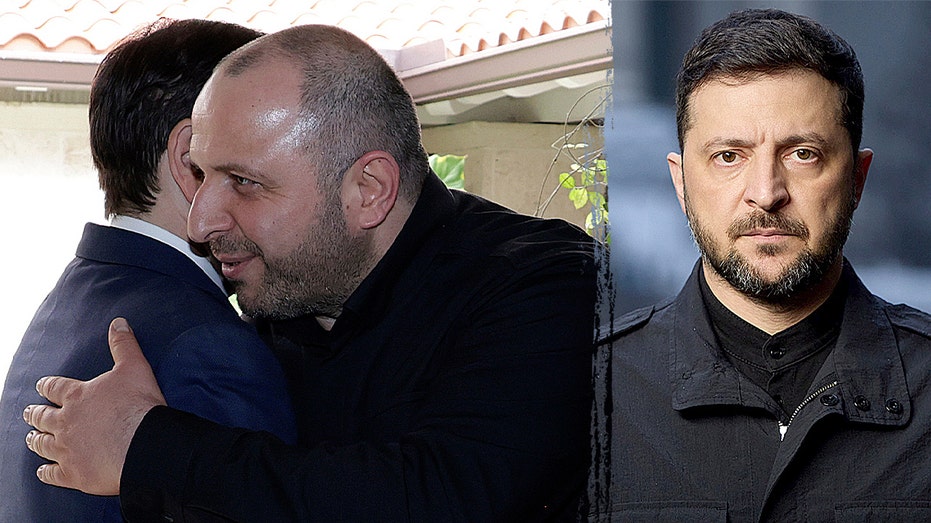
The recent productive phase of official Ukraine peace talks in Florida marks a potentially pivotal shift in Kyiv’s diplomatic approach amid one of the most protracted and brutal conflicts of the 21st century. With President Zelenskyy replacing his chief of staff and longtime adviser Andriy Yermak with Rustem Umerov as head of the Ukrainian delegation, Kyiv is signaling a reassessment of its previously uncompromising stance. This move arrives against a backdrop of intense international scrutiny, internal political upheaval, and ongoing battlefield devastation. Understanding this change is crucial not only for how it may affect the contours of any future settlement but also for insights into Ukraine's evolving domestic politics, the wider geopolitical struggle involving the US and Russia, and the overall prospects for peace in Eastern Europe.
The Bigger Picture
The war in Ukraine, ignited by Russia’s full-scale invasion in February 2022, has reshaped Europe’s security landscape and intensified great power rivalry. Kyiv initially adopted a hardline diplomatic posture under President Zelenskyy and his inner circle, notably led by Andriy Yermak, who advocated for maximalist demands including full territorial restoration and accountability for Russian aggression. This resolute stance was shaped by historic outrage over Russia's annexation of Crimea in 2014, the ongoing conflict in Donbas, and deep national trauma. The Ukrainian government's approach reflected a broader post-Soviet challenge of asserting sovereignty while navigating external pressures and internal governance struggles.
The US and Western allies have long supported Ukraine with military aid and diplomatic backing but express concern that a rigid negotiating position might prolong the conflict and increase human suffering. At the same time, Russia’s refusal to compromise, fueled by President Putin’s strategic calculus and domestic political considerations, has hardened Kyiv’s resolve. The entry of new voices like Rustem Umerov—viewed as more conciliatory—into the peace process can be seen as an attempt to break this deadlock, paralleling historic peace efforts in complex conflicts from Northern Ireland to the Balkans.
What This Really Means
The personnel changes and reported softening of Ukraine’s stance suggest Kyiv is grappling with the stark reality that an outright military victory may be elusive and that a negotiated peace—however imperfect—is necessary to end immense human and economic costs. Rustem Umerov’s role signals a potential willingness to explore compromise solutions, possibly accepting some territorial concessions or autonomy arrangements in exchange for a formal cessation of hostilities.
At the same time, the continued influence of Yermak’s loyalists behind the scenes points to an ongoing internal power struggle. This duality raises questions about how coherent Ukraine’s negotiating position truly is and whether factions within the government might seek to undermine talks either to maintain leverage or protect political capital at home.
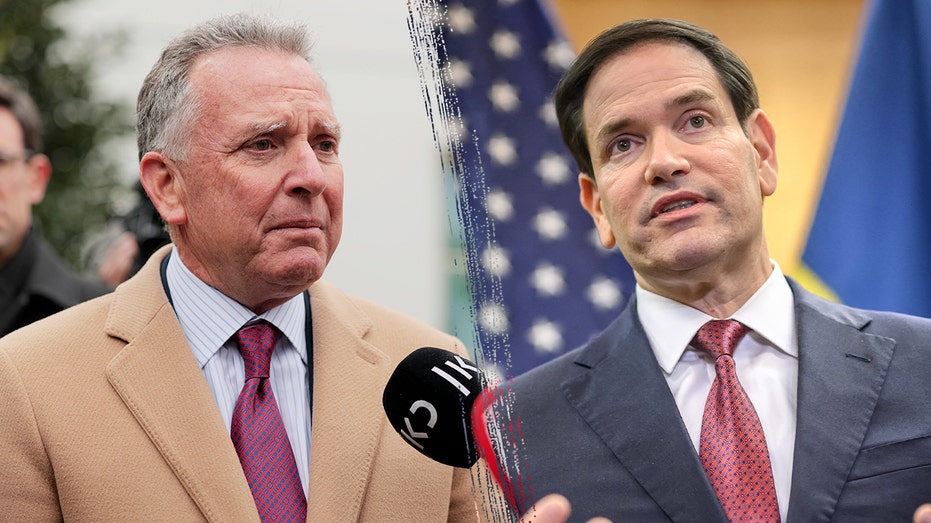
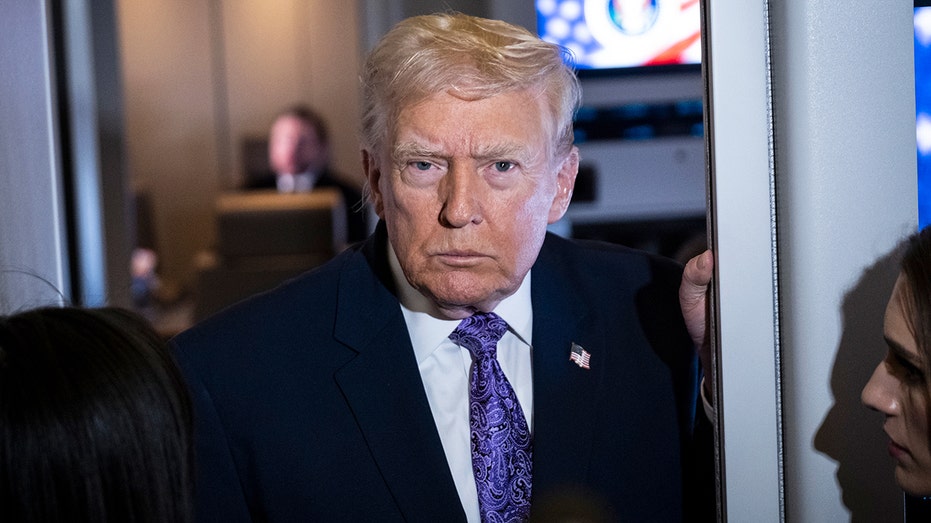
For the US, maintaining unity behind a peace framework aligns with wider aims of stabilizing Eastern Europe while preventing Russia from achieving its objectives through force. The involvement of figures like Senator Marco Rubio, Jared Kushner, and former President Trump’s envoy Steve Witkoff indicates a complex interplay of domestic US politics and foreign policy that can both help and complicate diplomatic efforts.
Expert Perspectives
Michael McFaul, former US ambassador to Russia, notes: “Kyiv's reconsideration of its hardline stance reflects pragmatic diplomacy, but the question remains whether Moscow is prepared to reciprocate. Peace without justice could be fragile.”
Anne Applebaum, historian and author specializing in Eastern Europe, adds: “The legacy of post-Soviet governance models like ‘the telephone rule’ as described here under Yermak’s influence, creates challenges for transparency and trust in negotiations, which must be addressed for sustainable peace.”
Jan Techau, director of Carnegie Europe, emphasizes: “The US role is critical. Washington must balance pressure on Russia and support for Ukraine’s sovereignty, while pushing for a realistic settlement that avoids indefinite war.”
Data & Evidence
- Since the 2022 invasion, approximately 20% of Ukraine’s internationally recognized territory has been under Russian occupation.
- The war has caused over 15,000 civilian deaths and displaced millions internally, severely impacting Ukraine’s economy with GDP contracting by an estimated 35% in 2022.
- According to recent polling, Ukrainian public opinion remains deeply skeptical of territorial concessions, complicating any government efforts to negotiate compromises.
- US military aid has exceeded $50 billion, yet high-level diplomatic efforts have struggled to translate battlefield dynamics into political breakthroughs.
Looking Ahead
The coming months will be crucial as the Ukrainian delegation continues talks with US mediators and Russian representatives. Key indicators to watch include shifts in territorial demands, concessions on Ukraine’s neutrality or security guarantees, and how Russia’s internal political environment reacts to pressure for peace.
Domestically, Ukraine faces the challenge of managing political factionalism, corruption investigations, and maintaining public support for any negotiated settlement. A fragile peace agreement risks unraveling if it lacks popular legitimacy or if spoilers on either side act to sabotage progress.
For the international community, sustaining consistent support for a peaceful resolution while deterring further aggression from Russia will require deft diplomacy balancing deterrence and incentives.
The Bottom Line
Ukraine’s shift towards a potentially more compromising peace negotiation team under Rustem Umerov hints at new avenues for ending the war that has devastated the country and rattled international security. Yet internal power struggles, lingering hardline influences, and Moscow’s entrenched positions present formidable obstacles. Achieving durable peace will require not only diplomatic skill but addressing Ukraine’s domestic political dynamics and ensuring that any deal secures sovereignty, security, and prosperity for the Ukrainian people.
Topics
Editor's Comments
This moment in Ukraine’s peace negotiations exemplifies the painful balancing act between ideals and pragmatism that many conflict states face. The replacement of Yermak with Umerov suggests Kyiv’s leadership is biting the bullet on the need for compromise—but only partly. The persistence of ‘shadow influence’ by former insiders highlights Ukraine’s ongoing struggles with governance and transparency. These dynamics not only complicate peace talks but also mirror broader post-Soviet political patterns, where informal power often trumps formal authority. The US’s prominent role underscores how peace here is not only a bilateral matter but also a proxy arena for geopolitical competition. Looking ahead, the key question is whether the momentum from these talks can overcome entrenched distrust on all sides, or whether internal divisions and external intransigence will keep the war simmering. Readers should watch how public sentiment within Ukraine evolves, as well as any shifts in Russia’s domestic politics, which will decisively shape the prospects for an enduring peace.
Like this article? Share it with your friends!
If you find this article interesting, feel free to share it with your friends!
Thank you for your support! Sharing is the greatest encouragement for us.