Why Newark Liberty International Airport Is America’s Most Stressful Travel Hub — and What It Means for U.S. Aviation

Sarah Johnson
December 5, 2025
Brief
Newark Liberty International Airport ranks as the most stressful U.S. airport for travelers due to delays, infrastructure issues, and operational inefficiencies, spotlighting broader systemic aviation challenges.
Why Newark Liberty International Airport Tops the List as America's Most Stressful Travel Hub
As holiday travel surges post-pandemic, a new global study identifying Newark Liberty International Airport (EWR) as the "most stressful" airport for travelers underscores long-standing infrastructural and operational challenges that reflect broader systemic issues in U.S. aviation. This designation is not merely about passenger frustration, but symptomatic of underlying inefficiencies that impact regional economies, traveler wellbeing, and highlight critical gaps in transportation modernization efforts.
The Bigger Picture: Historical and Structural Context
Newark Liberty International Airport opened in 1928 and is one of the busiest in the United States, serving the New York metropolitan area. However, it has long contended with aging infrastructure and capacity constraints—notably the outdated AirTrain system established in 1996, designed for passenger volumes far smaller than today's demand. The airport operates alongside JFK and LaGuardia as part of the triad serving New York City, but Newark historically has suffered from a reputation for inefficiency and poor passenger experience.
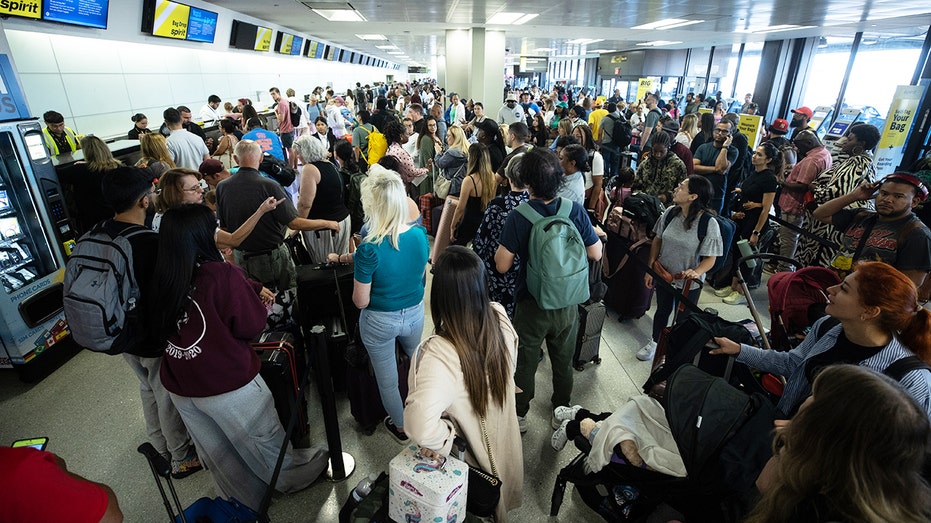
The airport's physical layout, road access, and integration with regional transit have struggled to keep pace with intense and growing passenger volumes, which hit 3.1 million screened by TSA on a single day of the recent Thanksgiving weekend. Congestion, security bottlenecks, and delays have persisted despite periodic upgrades, which Eastern Seaboard airports face acutely compared to newer, less constrained hubs.
What This Really Means: Deeper Implications of Newark’s 'Stressful' Status
The study’s findings—stemming from data points including average departure delays of 21.4 minutes, poor check-in and baggage retrieval scores, and difficult accessibility—highlight systemic operational shortcomings rather than isolated or temporary issues. For travelers, these inefficiencies manifest as increased anxiety, missed connections, and diminished satisfaction, which compound during peak travel periods like the holidays.
But beyond passenger inconvenience, delays and inefficiencies at a major hub like Newark have economic ripple effects. Frequent flight delays reduce airline punctuality scores, lower hub competitiveness, and elevate operational costs, which can translate into higher ticket prices. Cargo delays also impact regional supply chains. Furthermore, transportation stress can exacerbate traveler fatigue and reduce productivity, signaling public health and workforce implications.
Expert Perspectives
Experts emphasize the importance of investing in infrastructure modernization to alleviate these issues. Dr. Mark Rosenker, a noted aviation safety analyst, cites that “airports built decades ago weren’t designed for today’s exponential passenger growth, necessitating immediate upgrades in passenger processing technology and transit connectivity to improve throughput and traveler experience.”
Transportation economist Dr. Lisa Patel adds, “Delays at major airports like Newark threaten regional economic vitality, particularly when these hubs serve as gateways for international business and tourism. Modernization efforts like the $3.5 billion AirTrain Newark replacement signal hope but must be paired with systemic process improvements.”
Data & Evidence Supporting the Analysis
- Newark’s average departure delay: 21.4 minutes, placing it among the worst-performing airports on this metric globally.
- Scored 18.46 out of 100 on the study’s 'stress index,' indicating a severely negative passenger experience.
- Third worst in baggage claim efficiency, compounding traveler frustration during peak seasons.
- Second worst access score, highlighting logistical challenges in reaching the airport.
- J.D. Power’s annual airport satisfaction survey corroborates these findings, ranking Newark last among major U.S. airports.
Looking Ahead: What Travelers and Policymakers Should Watch
The ongoing $3.5 billion redevelopment of the AirTrain system at Newark is a pivotal step, aiming to improve capacity, reliability, and compatibility with current transit demands. However, as highlighted by studies and expert commentary, infrastructure upgrades must be integrated with advanced operational technologies—like biometric screening, AI-driven passenger flow management, and real-time delay mitigation strategies—to fully address the root causes of traveler stress.
Additionally, better coordination between airport authorities, airlines, and regional transportation agencies is essential. As travel demand rebounds post-pandemic, managing peak flows and enhancing ground access become paramount to avoid repeating historical patterns of congestion and delay.
The Bottom Line: Newark’s Challenges Mirror National Aviation Systemic Issues
Newark Liberty's designation as the "most stressful" airport is a stark reminder that core U.S. airports face aging infrastructure, operational inefficiencies, and capacity constraints amid surging travel demand. While ongoing investments like the AirTrain redevelopment offer promising relief, addressing traveler stress requires a holistic approach focused on modernization, technology deployment, and coordinated management. How Newark evolves will serve as a bellwether for airport competitiveness and traveler satisfaction nationwide in the coming decade.
Topics
Editor's Comments
Newark Liberty’s designation as the "most stressful" airport is a profound signal about the urgency of overhauling U.S. airport infrastructure. While incremental upgrades like the AirTrain project are noteworthy, they only scratch the surface of a systemic challenge that encompasses technology, process management, and regional transit coordination. Given the expected rise in travel volumes in the next decade, failing to comprehensively modernize could deepen traveler dissatisfaction and economic inefficiencies. This story invites policymakers and industry leaders to refocus on long-term strategic planning rather than piecemeal fixes.
Like this article? Share it with your friends!
If you find this article interesting, feel free to share it with your friends!
Thank you for your support! Sharing is the greatest encouragement for us.