Amtrak’s Record Holiday Ridership and What It Means for the Future of US Rail Travel

Sarah Johnson
December 3, 2025
Brief
Amtrak's record holiday ridership signals a major shift in US passenger rail, driven by modernization, shifting travel preferences, and infrastructure investment, with broad implications for sustainable mobility.
Opening Analysis
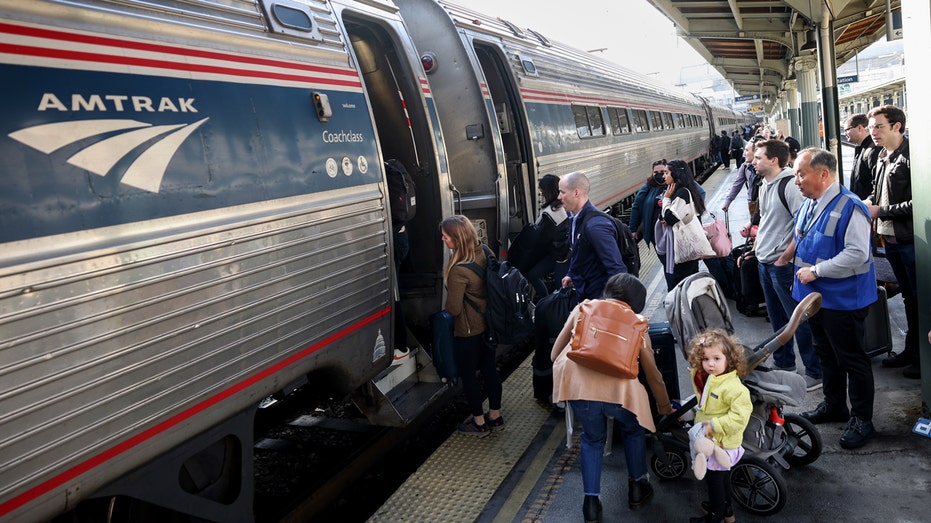
The recent announcement from Amtrak’s president urging travelers to book their holiday train trips as early as possible is more than a simple advisory for Thanksgiving vacationers. It signals a critical turning point in American intercity travel, reflecting a revival of passenger rail that challenges long-standing perceptions about its relevance and viability in the 21st century. Amid shifting consumer preferences, infrastructure investments, and evolving transportation policies, Amtrak’s surge in ridership offers a compelling case study of how rail travel may reshape the future mobility landscape in the United States.
The Bigger Picture
Historically, passenger rail was the backbone of American long-distance travel through much of the early to mid-20th century, before decades of decline due to the rise of automobiles and commercial aviation. The mid-century postwar boom saw a sharp reduction in train service and quality, culminating in the creation of Amtrak in 1971 as a federally subsidized operator to preserve key routes. For decades, Amtrak operated on thin margins with aging equipment, limited funding, and public perception as a slow and infrequent option.
However, the 21st century has ushered in renewed interest in sustainable transportation and urban-to-urban connectivity. Government initiatives under recent infrastructure bills have boosted rail investment, including upgrades and new rolling stock. Amtrak’s upcoming introduction of the Airo train fleet—replacing equipment up to 50 years old—is emblematic of this modernization push.
Meanwhile, the broader cultural context includes rising concerns over climate change, urban congestion, and the fluctuating economics of air and road travel. The record 34.5 million passenger trips Amtrak logged in fiscal 2025, a 6% increase year-over-year, fits into a global pattern of expanding rail ridership as travelers seek environmentally friendly alternatives.
What This Really Means
The surge in demand and Amtrak’s warnings about early booking underscore several important realities for America’s transportation future. First, it reveals latent consumer demand for a convenient, reliable rail network that has been suppressed by decades of operational neglect and limited service options. The ongoing upgrades and expanded routes signal a transition from rail as a niche, government-subsidized relic to a competitive mode with genuine mass appeal.
Moreover, Amtrak’s flexible ticketing model contrasts with rigid airline policies and reflects changing consumer expectations for convenience and adaptability. Yet comments from customers about pricing disparities highlight a tension in balancing dynamic pricing with accessibility and fairness, a challenge the company will need to manage carefully as ridership grows.
In terms of infrastructure resilience, the emphasis on winterization and station maintenance highlights operational complexities of running a nation-spanning rail system through diverse and often extreme weather. These adaptations are crucial given the increasing unpredictability associated with climate change.
Expert Perspectives
- Dr. Emily Parker, Transportation Policy Analyst: "Amtrak’s growth signals a pivotal shift in public transportation priorities. Federal investments paired with public demand create momentum for expanding rail as a backbone of regional connectivity, reducing carbon footprints while enhancing mobility options."
- Michael Lander, Rail Industry Consultant: "Introducing modernized fleets like the Airo trains will dramatically improve rider experience and operational efficiency, essential to attracting a broader demographic beyond legacy rail enthusiasts."
- Prof. Sarah Nguyen, Urban Planning Expert: "This surge also reflects broader urbanization trends and shifting demographics. Young professionals and environmentally-conscious travelers increasingly prioritize train travel for convenience and sustainability."
Data & Evidence
The reported 34.5 million customer trips represent a meaningful 6% increase over the previous fiscal year, defying declines in other transportation sectors. AAA’s forecast of 82 million Americans traveling during Thanksgiving illustrates the scale of holiday mobility and places rail alongside air and automobile travel as key options.
Additionally, the passenger capacity pressure driving price increases demonstrates basic supply-demand economics at work, but also spotlights a potential risk of alienating price-sensitive riders. Historical data on ridership spikes during holidays often precede permanent shifts in travel habits, contingent on service quality and affordability.
Looking Ahead
The coming decade could mark the resurgence of American rail as a major player in nationwide mobility, assuming continued investments in infrastructure, technology, and service innovations. However, managing affordability, expanding route networks sustainably, and integrating rail seamlessly with other transportation modes will be critical for capturing and sustaining growth.
Potential policy developments, such as increased federal funding for high-speed rail corridors and urban transit integration, will further influence the trajectory. Weather resiliency and passenger comfort will remain ongoing operational challenges requiring adaptive strategies.
Travelers and policymakers alike should watch for ridership trends beyond peak holidays to assess whether this reflects a temporary seasonal bump or a structural change in American travel culture.
The Bottom Line
Amtrak’s record-breaking holiday travel and president Roger Harris’s call to book early is more than a logistical note—it is a window into the evolving role of passenger rail in America. Revitalized by modernization efforts, federal support, and shifting consumer values, rail is poised for a major comeback. Yet, how well Amtrak balances capacity, pricing, and service quality will determine whether it can sustain this momentum and help redefine sustainable, convenient national transit for generations to come.
Topics
Editor's Comments
Amtrak's current ridership growth amid record holiday travel is a bellwether for broader changes in American transportation preferences, yet it also exposes the fragile balancing act between scaling service capacity and maintaining affordability. The growing pains reflected in pricing complaints highlight how quickly demand can outpace supply in a system long starved for investment. Policymakers must thus prioritize stable funding streams not just for new equipment, but for expanded routes and operational staffing. Moreover, as climate change increases weather volatility, rail systems need robust adaptation strategies to avoid disruptions that would erode public trust. This story reflects an intricate intersection of technology upgrades, consumer behavior evolution, and political will — a critical moment where decisions will echo for decades in how Americans move.
Like this article? Share it with your friends!
If you find this article interesting, feel free to share it with your friends!
Thank you for your support! Sharing is the greatest encouragement for us.