Why Pajamas On Planes Signal a Deeper Crisis in Air Travel Civility

Sarah Johnson
December 3, 2025
Brief
Transportation Secretary Sean Duffy's call to end pajamas on planes highlights growing concerns over civility in air travel, connecting attire choices to escalating unruly passenger behavior and broader societal shifts.
Opening Analysis
U.S. Transportation Secretary Sean Duffy’s call to end the wearing of pajamas on airplanes is about more than just dress codes—it's a reaction to a deeper cultural trend he identifies as a "degradation of civility" in air travel. As air travel rebounds and passenger conflicts sharply increase, Duffy's "civility campaign" taps into concerns about manners, shared public spaces, and the broader social fabric fraying amid pandemic-era behavioral shifts. This episode reflects how public expectations around etiquette, comfort, and respect are evolving in one of society's most common modern shared environments: the airport and airplane cabin.
The Bigger Picture
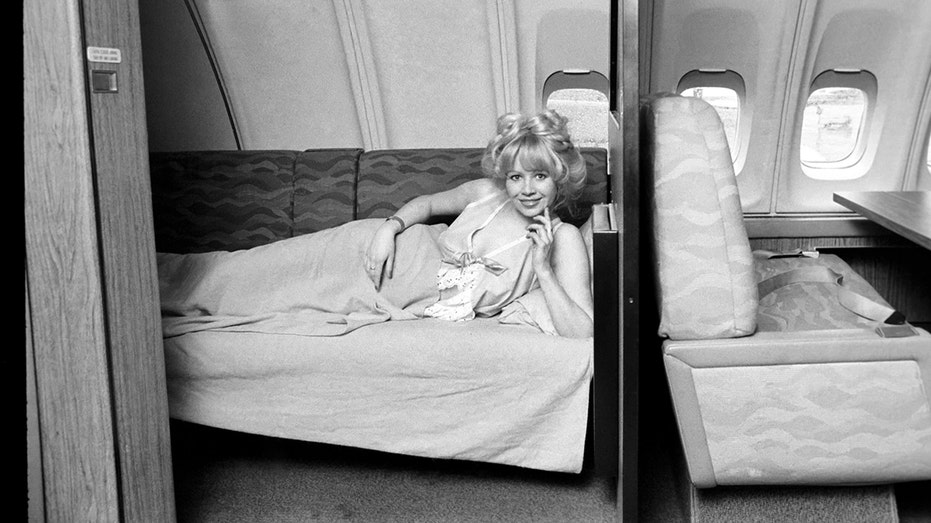
The TSA’s call to "dress with respect" and discouragement of pajamas signals a shift in societal norms shaped by decades of changing travel culture. Historically, commercial air travel—from the golden age eras of the 1950s to 1970s—was marked by a degree of formality and an embedded social contract. Passengers often wore suits or dresses; airlines offered steak dinners and cocktails, and behavior reflected these cultural codes.
That era’s etiquette norms shaped a shared understanding of public space and mutual respect during travel. However, several decades of democratization and mass accessibility of air travel, combined with the rise of budget airlines, have eroded these older conventions. The pandemic accelerated casualization—passengers opted for comfort (including pajamas) during long-haul flights in response to hygiene concerns and mental fatigue from lockdown life.
At the same time, the Federal Aviation Administration (FAA) reports a 400% increase in in-flight disturbances since 2019. Nearly 20% of flight attendants experienced physical incidents in 2021, with unruly behaviors remaining elevated in 2024. The rise in disruptive passenger behavior—from refusing mask compliance to violent outbursts—has placed tremendous strain on crews and challenged longstanding assumptions about airline travel decorum.
What This Really Means
Duffy’s remarks about pajamas represent a proxy for broader questions of civility and psychological state in air travel. Pajamas symbolize extreme comfort to the point of casual disregard for shared environments, suggesting a diminished sense of social responsibility. Etiquette experts Diane Gottsman and Jacqueline Whitmore frame attire not as a superficial fashion concern but as a form of respect—for oneself, fellow travelers, and service personnel.
Whitmore cites the concept of "enclothed cognition," where clothing influences behavior and self-perception. Pajamas in public spaces may unconsciously erode self-discipline and communal engagement, potentially contributing to the behavioral incidents reported onboard. Conversely, dressing with intention—even casually but neatly—can foster self-respect and thereby encourage civility.
This cultural moment also intersects with social trends like celebrity influence: high-profile figures normalizing loungewear in airports reshape public attitudes toward what is acceptable. Yet this signals tension between individual expression and communal standards. The transportation secretary’s campaign attempts to revive the social contract in the name of smoother travel experiences, better cooperation on logistics (like overhead bin management), and ultimately safer, more pleasant journeys.
Expert Perspectives
- Diane Gottsman, Etiquette Expert and Founder, Protocol School of Texas: "From an etiquette perspective, pajamas should be reserved for private spaces where relaxation is appropriate. Public spaces call for practical yet respectful clothing conveying consideration for others."
- Jacqueline Whitmore, Former Flight Attendant and Founder, Protocol School of Palm Beach: "The way people dress substantially influences behavior—people who dress intentionally carry themselves with more confidence and tend to exhibit better manners. Pajamas and slippers should generally stay in the bedroom."
- FAA Officials: "Rising incidents of unruly passenger behavior, including physical altercations, underscore the need for renewed emphasis on civility and traveler cooperation."
Data & Evidence
- A 400% surge in in-flight disturbances since 2019, according to FAA data.
- Nearly 1 in 5 flight attendants reported physical incidents experienced in 2021.
- Unruly passenger incidents remain above pre-pandemic levels throughout 2024.
- Historical shift from formal air travel norms (steak dinners, formal attire in the mid-20th century) to mass airline democratization coincided with more casual passenger behavior.
Looking Ahead
The civility campaign initiated by the Transportation Secretary could trigger a wider cultural conversation about public behavior norms in post-pandemic life. Airlines and airports may increasingly encourage passengers to consider how their choices affect others, potentially through policy, marketing, or signage promoting etiquette.
However, evolving social values around comfort, individuality, and mental health awareness suggest that strictly policing travel attire might face resistance. The trend towards casual dress is unlikely to reverse entirely, especially as travelers seek solace in comfort for stressful journeys.
More broadly, rising unruliness aboard flights may force regulatory and industry responses focusing on de-escalation training, conflict management, and passenger education—beyond dress code issues. Understanding the psychological and social underpinnings of in-flight behaviors will be critical.
The Bottom Line
Sean Duffy’s message about pajamas serves as a tangible symbol of a larger challenge: restoring civility and mutual respect in increasingly fractious, casual public spaces like air travel. The rise of unruly passenger behavior—whether driven by pandemic fatigue, social polarization, or erosion of shared norms—demands a nuanced approach blending cultural, behavioral, and regulatory strategies. How travelers choose to present themselves signals more than fashion; it reflects social attitudes toward community, responsibility, and care during one of modern life’s quintessential shared experiences.
Topics
Editor's Comments
Secretary Duffy’s admonishment against pajamas captures a deeper anxiety about the erosion of shared social norms in increasingly fragmented public spaces. While it may come off as trivial to some, the issue touches on essential questions: How do we maintain respect and cooperation when the pandemic and digital culture have amplified individualism and tolerance for incivility? This episode reveals passengers’ behavior as not only an airline problem but a microcosm of wider societal challenges related to stress, entitlement, and the negotiation of public life. The challenge going forward will be balancing comfort and individuality with communal responsibility—both in air travel and beyond.
Like this article? Share it with your friends!
If you find this article interesting, feel free to share it with your friends!
Thank you for your support! Sharing is the greatest encouragement for us.