Behind the Handcuffs: What the Nick Reiner Case Reveals About America’s Mental Health and Justice Failures

Sarah Johnson
December 16, 2025
Brief
Nick Reiner’s arrest for allegedly killing his parents exposes deep failures in America’s mental health, addiction, and criminal justice systems — far beyond the celebrity tragedy dominating headlines.
Nick Reiner’s Arrest: When a Hollywood Tragedy Exposes America’s Quietest Crisis
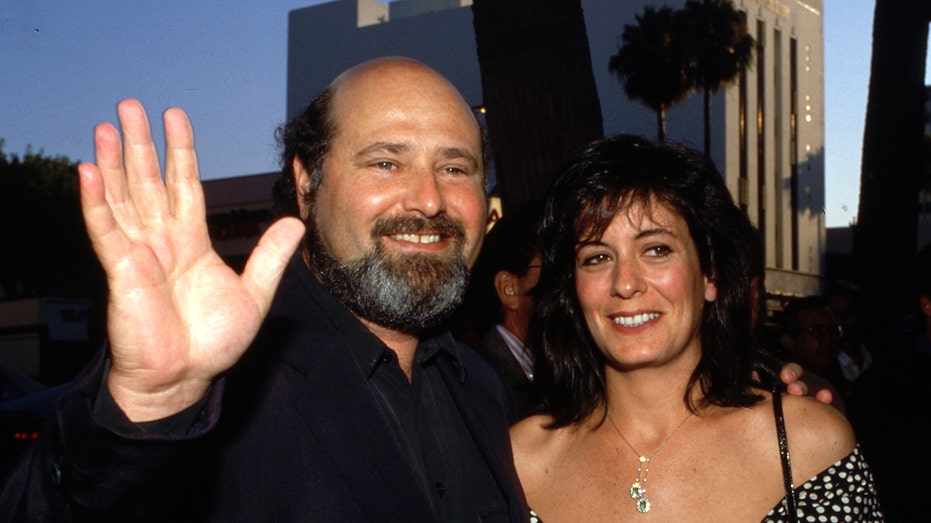
The images of a handcuffed Nick Reiner — son of acclaimed director Rob Reiner and filmmaker Michele Singer Reiner — are already circulating as a viral true-crime moment. But beneath the dramatic photos and celebrity angle lies a darker, far more common story: the collision of untreated mental illness, addiction, family breakdown, and a criminal justice system that almost always arrives too late.
What makes this case so unsettling is not just the alleged patricide and matricide, but how familiar its underlying themes are. A famous Hollywood family, a son with a long-documented struggle with addiction and volatility, a public argument the night before the killings, and a system that appears to have seen the warning signs but could not — or did not — meaningfully intervene.
Beyond the Headline: Why This Case Matters
At first glance, this looks like a grim, isolated family tragedy. In reality, it sits at the intersection of several national crises:
- Surging rates of severe mental illness and substance use disorders, especially among young adults.
- Chronic gaps in treatment access, even for wealthy families with resources.
- Escalating domestic violence and intrafamilial homicide, often preceded by obvious red flags.
- The media’s tendency to sensationalize celebrity crime while underreporting the structural failures that make such crimes more likely.
When someone as powerful and well-connected as Rob Reiner appears unable to protect his family from a spiraling child, it raises a blunt question: if the system doesn’t work for them, who is it working for?
The Bigger Picture: Hollywood Tragedies and a National Pattern
Celebrity family tragedies have a long and uneasy history in American culture. From the Manson murders in 1969 to the more recent deaths linked to addiction and mental health crises, Hollywood stories often serve as distorted mirrors of broader social problems.
In this case, the alleged murders of Rob and Michele Reiner by their son fit into a well-established pattern of familicide and intrafamilial homicide that rarely makes national news unless a famous name is attached.
Criminological research suggests:
- Roughly 15–20% of homicide victims in the U.S. are killed by family members, depending on the year and data set.
- Adult children killing parents — known as patricide/matricide or parricide — is rare overall but far from unheard of. Studies estimate a few hundred such cases annually nationwide.
- Common threads in parricide cases include longstanding conflict, untreated mental illness (especially psychotic disorders), severe substance abuse, and a history of domestic disturbances.
Overlay that with the current moment: the U.S. is facing some of the highest overdose death levels ever recorded, a persistent mental health care shortage, and long waitlists — even in major metropolitan areas like Los Angeles, where the Reiners lived.
What’s Known So Far — and What It Suggests
Based on the available information:
- LAPD officers responded to a call about a death investigation at the Reiners’ home on December 14, 2025.
- Rob and Michele were found deceased and later determined to be homicide victims.
- The initial investigation led detectives to identify their 32-year-old son, Nick Reiner, as the alleged perpetrator.
- He was arrested, booked on suspicion of murder, and is being held without bail at the Twin Towers Correctional Facility in Los Angeles — a complex that houses many inmates with serious mental health and substance use issues.
- Family friends reported a loud argument between Rob and Nick at a Christmas party the night before the killings, suggesting a precipitating conflict atop longstanding tension.
Separate reporting has highlighted Nick’s history of addiction and volatility. Taken together, these details align disturbingly well with known patterns in cases of parricide: escalating conflict, impaired judgment, potential drug or alcohol involvement, and an event or confrontation that acts as a catalyst.
Hidden in Plain Sight: Addiction, Mental Health, and the Limits of Money
One of the most misleading myths about addiction and mental illness in America is that they are problems of poverty alone, solvable if only families had more money. The Reiner case challenges that narrative head-on.
By all public measures, this was a family with extraordinary resources: wealth, social capital, and access to top-tier medical and psychiatric care. If reports about Nick’s long-standing struggles are accurate, then this is almost certainly not a story of a problem nobody saw. It’s a story of a problem that might have been recognized early but proved agonizingly resistant to solutions.
This aligns with a troubling reality:
- Treatment access is not the same as treatment effectiveness. Even with the best therapists and rehab centers, addiction and mental illness are chronic, relapsing conditions.
- Legal tools to intervene before violence occurs are limited. Families often walk a tightrope between respecting autonomy and fearing for their own safety.
- Clinical, legal, and family systems are fragmented. Doctors, police, courts, and relatives rarely share a unified plan. Each sees a piece; no one owns the whole picture.
For many families dealing with an adult child who is violent, unstable, or severely addicted, the options often boil down to: call the police and risk criminalization — or do nothing and hope it doesn’t escalate. In the Reiners’ case, it appears that escalation finally came in the most catastrophic way imaginable.
True Crime Meets Spectacle: The Ethics of the Arrest Photo
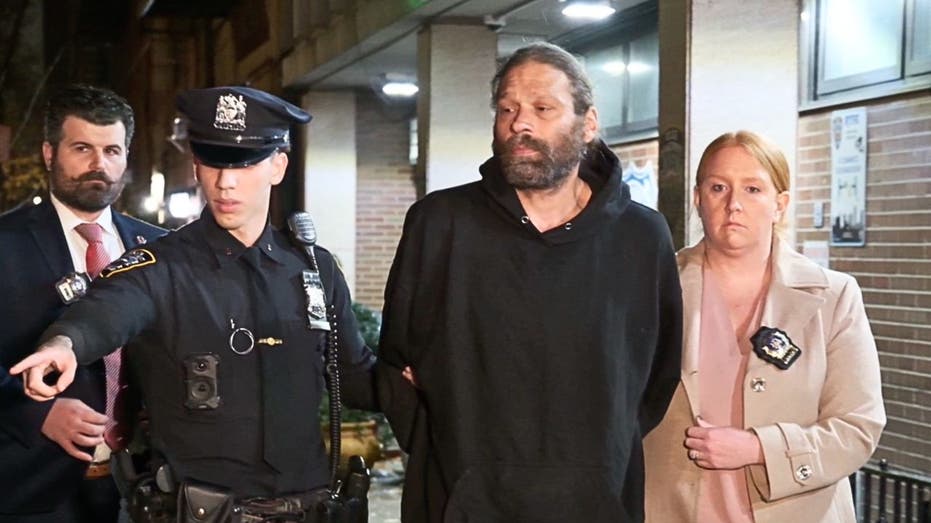
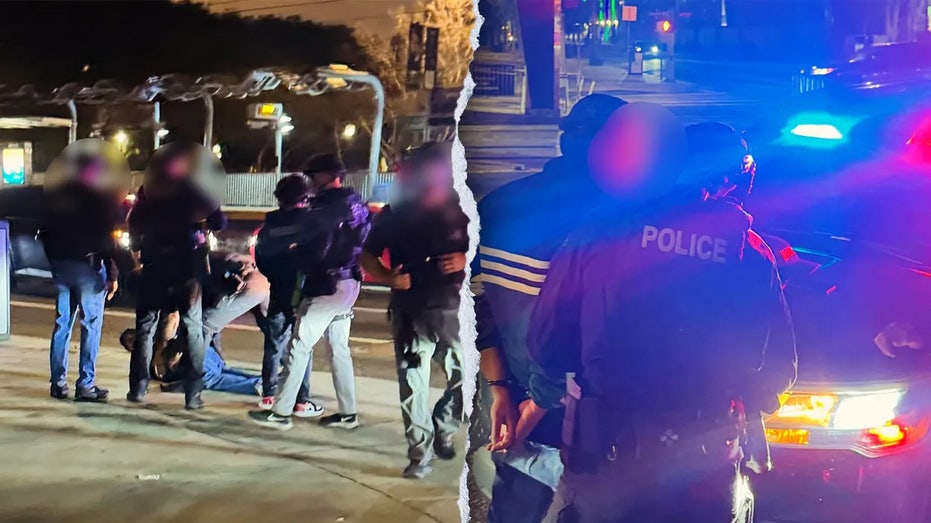
The widely circulated images of a handcuffed Nick Reiner, surrounded by officers, are emblematic of a media ecosystem that increasingly blurs public interest with voyeurism. The LAPD’s Narcotics and Gang Division releasing or circulating those images amplifies that effect.
On one hand, law enforcement routinely publicizes arrest images in high-profile cases to demonstrate action and reassure the public. On the other, publishing such photos — particularly before trial — reinforces a powerful visual presumption of guilt.
In a celebrity case, those images do triple duty: they feed the true-crime machine, drive traffic, and cement a narrative before a judge or jury hears a single piece of evidence. It’s a reminder of how public perception is shaped not by trial transcripts or psychiatric evaluations, but by a frozen frame of a person at their worst moment.
How the Justice System Handles Someone Like Nick Reiner
Nick’s transfer to the Twin Towers Correctional Facility is significant. Twin Towers is known not just as a jail, but as one of the largest de facto mental health institutions in the country. L.A. County has long been criticized for relying on jails to warehouse people with serious mental illnesses due to inadequate community-based systems.
In practice, a case like this will likely raise a series of key legal and forensic questions:
- Was Nick suffering from a diagnosable mental illness at the time of the alleged killings?
- Did drugs or alcohol play a role in his behavior, and if so, how will that factor into criminal responsibility?
- Will his defense pursue an insanity defense, diminished capacity, or argue that he was incapable of forming the requisite intent due to mental impairment?
- What, if any, prior interventions, restraining orders, treatment episodes, or police contacts exist that might show a pattern of escalating risk?
It’s worth noting that insanity defenses are rare and rarely successful. In many states, including California, juries are reluctant to absolve defendants of responsibility unless the mental illness is extreme and well-documented — and even then, outcomes are uncertain.
What Experts See in This Case
Experts who study parricide and family violence typically point to a cluster of risk factors that, in hindsight, appear almost painfully obvious. The challenge is rarely identifying risk after the fact; it’s acting on it before violence occurs.
Criminologists and forensic psychiatrists highlight patterns such as:
- Chronic conflict in the home, often over money, independence, or substance use.
- Prior threats or physical altercations involving the adult child.
- Repeated but failed treatment attempts, creating a sense of hopelessness on all sides.
- Events that heighten humiliation or perceived rejection — like a public argument at a social gathering.
In this case, the reported “very loud argument” at a Christmas party the night before the deaths fits the pattern of a triggering incident layered onto an existing, volatile relationship.
What’s Being Overlooked: Policy, Not Just Pathology
Most coverage so far is fixated on the drama: the famous director, the son’s troubled history, the party argument, the handcuffs. What’s missing is the structural angle — the systemic failures that make tragedies like this far more likely.
Several policy blind spots stand out:
- Inadequate crisis infrastructure for families. Even affluent parents of adults in crisis often have nowhere to turn but police. Non-police crisis teams and psychiatric emergency responses are still underdeveloped and underfunded.
- Legal thresholds that are high by design. Involuntary commitment typically requires that a person be an imminent danger to self or others. Families often watch a slow-motion train wreck without meeting the legal bar for intervention — until after violence occurs.
- Patchwork treatment systems. Addiction and mental health treatment are often separate, uncoordinated systems, even though co-occurrence is the norm rather than the exception.
- Little support for families living with violent or unpredictable adult children. Parent support groups exist, but systemic practical tools — housing options, legal pathways, and coordinated care teams — remain scarce.
When the story is framed solely as a tragic failure of an individual — the son who snapped — the policy implications vanish. But if we understand it as a failure of multiple systems to prevent foreseeable harm, it becomes a very different conversation.
Looking Ahead: What to Watch as the Case Unfolds
The legal process will likely be long, highly public, and painful. Key developments to watch include:
- Charging decisions. Will prosecutors seek special-circumstance murder charges, which could carry life without parole? Will they reference mental health or addiction explicitly?
- Defense strategy. Expect scrutiny of Nick’s health history, treatment records, and any prior attempts by his parents to seek help or protection.
- Media framing. Will coverage evolve to include systemic issues, or remain locked in a celebrity-true-crime narrative?
- Policy fallout. High-profile tragedies sometimes spur legislative hearings or calls for reform in mental health or crisis response. Whether that happens here will signal how seriously policymakers grasp the broader implications.
The Bottom Line
This is not only the story of a famous family destroyed from within. It is a case study in how addiction, mental illness, family dynamics, and systemic gaps can converge in the worst possible way.
The arrest photos of Nick Reiner will live online indefinitely. The harder question is whether the country will use this moment to confront the uncomfortable reality they represent: that no amount of money, fame, or influence can substitute for a coherent, compassionate, and functional mental health and addiction system — and that, right now, that system is failing families at every level of society.
Topics
Editor's Comments
One troubling aspect of this case is how easily it can be framed as an extreme, almost theatrical anomaly because of the Reiners’ fame. That framing is comforting — it allows the public to believe this horror belongs to another world, a Hollywood world. But much of what appears exceptional here is actually routine: a son with a long history of addiction and volatility, parents trying and failing to manage escalating risk, and a system that essentially waits for someone to get hurt before it truly engages. What’s different is not the underlying dynamics; it’s the visibility. A useful way to read this story is to mentally strip away the celebrity context and ask how it would look if the family were anonymous and working class. Would there have been earlier police involvement? Less access to private treatment? A faster, harsher prosecutorial response? If we only reform systems when the victims are famous, we will have missed the point — and most of the people who need help.
Like this article? Share it with your friends!
If you find this article interesting, feel free to share it with your friends!
Thank you for your support! Sharing is the greatest encouragement for us.