Rob Reiner’s Killing and America’s Silent Family Crisis: Mental Health, Powerlessness, and a System that Acts Too Late

Sarah Johnson
December 16, 2025
Brief
Beyond the shock of Rob Reiner’s alleged killing by his son lies a deeper story about mental health, family breakdown, and why even wealthy families can’t get help until it’s too late.
Rob Reiner’s Killing Allegedly by His Son: A Hollywood Tragedy That Exposes America’s Quiet Family Crisis
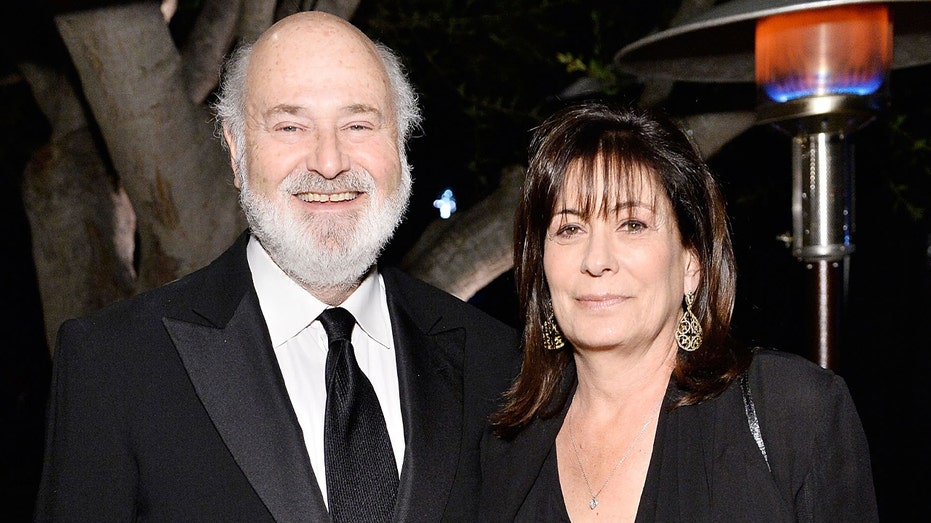
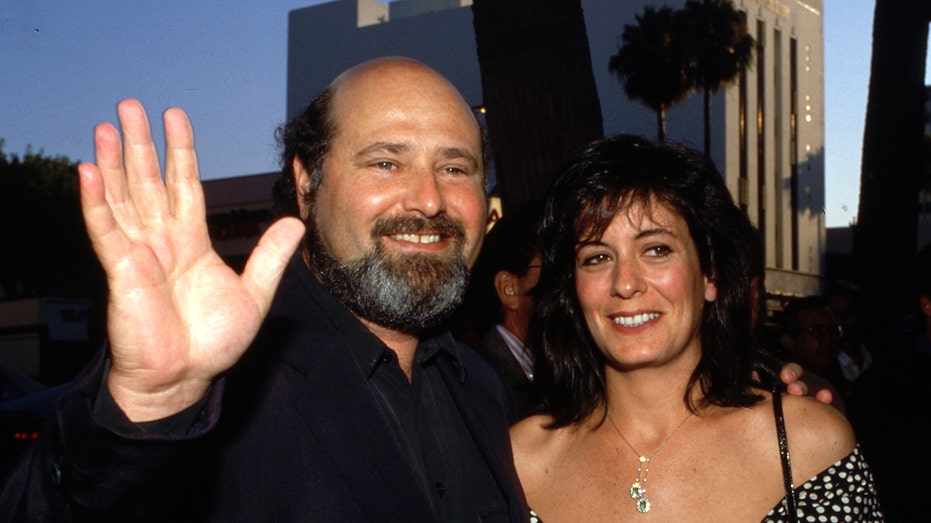
The apparent double homicide of filmmaker Rob Reiner and his wife Michele, with their son Nick in custody on suspicion of murder, is being covered as a shocking Hollywood crime. But beneath the celebrity headlines lies a much more uncomfortable story: the collision of untreated mental illness, family breakdown, celebrity pressure, and a criminal justice system repeatedly asked to manage what is essentially a public health crisis.
This is not just a story about one famous family. It’s a window into how often families, even wealthy and well-connected ones, find themselves powerless when an adult child appears to unravel — and how the legal and mental health systems leave them with few options until it is far too late.
The bigger picture: When private family crises become public catastrophes
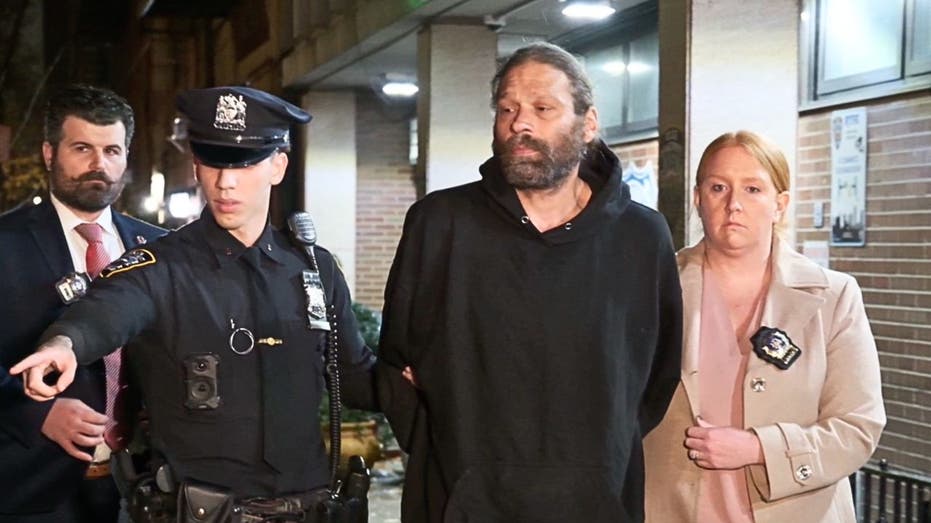
On its face, the known timeline is straightforward: an argument between Nick and his parents at a Christmas party, reports of him behaving erratically, the couple leaving early, and the next day their bodies being discovered in their Brentwood home with apparent stab wounds. Nick is arrested hours later, held without bail, and the investigation is handed to LAPD’s Robbery-Homicide Division.
What matters most for understanding the significance of this case is not the precise sequence of events but the pattern it fits into. Over the past two decades, there has been a noticeable rise in high-profile cases involving adult children accused of murdering parents or other close family members. Criminologists refer to this as parricide (the killing of one’s parents) and familicide (the multiple killing of close family members).
While parricide remains rare in absolute terms, research by the U.S. Department of Justice shows that roughly 2–4% of homicides involve a child killing a parent. Within that small slice, a disproportionate share involves either severe mental illness, long-term intra-family abuse, or intense substance misuse. Celebrity families are not immune; if anything, the pressures of public life can amplify underlying vulnerabilities.
Rob Reiner spent decades telling stories about family, power, and conscience — from “All in the Family” to “A Few Good Men” and “The Princess Bride.” The bitter irony is that his own family tragedy now reflects some of the deepest fault lines in American family life: adult children struggling to launch, the stigma around mental health, and the blurred boundary between parental concern and adult autonomy.
What this really means: Mental health, wealth, and the limits of control
Coverage so far has focused on the visible drama: a loud argument at Conan O’Brien’s Christmas party, guests disturbed by Nick’s behavior, then the next day’s horrific discovery. What’s missing are three interlocking structural issues that go far beyond this case:
1. The mental health red flag problem
Multiple witnesses reportedly described Nick as “acting crazy” and “freaking everyone out,” asking guests repeatedly if they were famous. While we must be cautious not to diagnose based on behavior at a party, clinical patterns are familiar to psychiatrists: erratic, disorganized conduct in public, social paranoia, and fixation on status can all be consistent with psychosis, substance intoxication, or a serious mood disorder.
In California and across the U.S., families repeatedly report the same experience: they see alarming behavioral changes, but until their loved one becomes an obvious danger to themselves or others, the legal threshold for involuntary intervention is high. Even when hospitalization is possible, it is often brief, and long-term, integrated care is scarce.
In other words, the system still largely operates on a “cliff edge” model: intervention only after crisis. The Reiner case, if it is ultimately shown to involve mental illness, would fit a grim pattern: the moment when the state finally steps in is after irreparable harm.
2. Wealth is not protection from system failures
There is an assumption that high-profile, wealthy families can simply “buy” safety and treatment: the best psychiatrists, private rehab, secure housing. Yet previous cases — from the Menendez brothers in the 1990s to more recent incidents involving children of celebrities and political elites — show that money can purchase access, but not compliance, nor a legal pathway to compel sustained treatment for an adult who refuses it.
In California, reforms like Laura’s Law (assisted outpatient treatment) were precisely designed to bridge this gap, allowing courts to order community-based treatment for some individuals with severe mental illness and histories of crisis. But implementation has been uneven, often underused, and tends to rely on prior documented episodes. If a family cannot or does not bring law enforcement or emergency services into the picture earlier, the system may barely “see” the person until after catastrophe.
3. The criminal-justice default
Once a violent act occurs, even when mental illness is suspected, the response snaps immediately into criminal-justice mode: arrest, booking, bail decisions, and transfer to facilities like L.A.’s Twin Towers Correctional Facility — itself one of the largest de facto psychiatric institutions in the country.
If Nick ultimately is found to suffer from a significant psychiatric disorder, his pathway will likely mirror that of thousands of others: a brief period of evaluation, possible competency hearings, and then a long-term existence within a jail or prison system barely equipped to treat the very conditions that may have driven the crime.
The swift revocation of his $4 million bail suggests prosecutors and the court are already treating him as a high-risk defendant, either for flight, danger, or both. That may be appropriate from a public safety standpoint, but it also signals how quickly a family crisis can become a life sentence within the carceral system — for everyone involved.
Expert perspectives: How specialists view a case like this
Forensic experts are cautious about commenting on open cases, but decades of research provide a framework for understanding what may be at play.
On parricide and family dynamics: Dr. Kathleen Heide, a leading criminologist who has studied parricide for over 30 years, has written that most parricide cases fall into three broad categories: “severely abused children, severely mentally ill offenders, and dangerously antisocial individuals.” Adult-child parricides more often cluster in the latter two groups. While we do not yet know which — if any — category Nick might fit, the pattern underscores that these incidents rarely emerge from nowhere; they typically follow long arcs of unresolved conflict, impairment, or both.
On mental health and celebrity families: Dr. Paul Appelbaum, a prominent psychiatrist and expert on mental-health law, has noted in past commentary on similar cases that high-profile families often delay seeking coercive help because of fear of publicity, stigma, and the belief they can manage things privately. That delay can narrow options later. If warning signs were present earlier in this case, the Reiners may have faced that same wrenching choice between privacy and proactive intervention.
On media framing: Media ethicist Kelly McBride has long warned that crime coverage involving mental illness tends to swing between sensationalism and oversimplification. In this case, the focus on party behavior and celebrity context risks turning a systemic failure into a lurid narrative about “Hollywood gone wrong,” obscuring the broader public policy questions.
Data & evidence: How common is this kind of tragedy?
Several data points help situate the Reiner case in a wider context:
- Parricide prevalence: FBI Supplementary Homicide Reports indicate that in a typical year, between 250 and 400 people in the U.S. are killed by their children. Adult-child offenders (18+) disproportionately include individuals with documented mental illness or histories of substance abuse.
- Mental illness & homicide: Extensive studies suggest that serious mental illness is associated with a modestly increased risk of violence, but that risk is heavily mediated by factors like substance misuse, lack of treatment, and social stressors. Most people with severe mental illness are not violent; but when violence does occur, it often follows gaps in care.
- Jails as psychiatric institutions: The Los Angeles County jail system, including the Twin Towers facility where Nick is now housed, has been described by the county itself as the largest mental health institution in the United States. A substantial share of its inmates are on psychotropic medication or have diagnosable psychiatric conditions.
- California reforms: The state has gradually expanded tools like assisted outpatient treatment and, more recently, CARE Court, aimed at diverting some people with severe mental illness from cycling between streets, ERs, and jails. But implementation is uneven, and violent incidents often predate sustained engagement with these systems.
What mainstream coverage is missing
Most reporting to date centers on the timeline — the party, the argument, the lack of forced entry, the arrest. Those are important facts for a criminal investigation, but they sidestep deeper questions:
- What was the long-term trajectory? Was this an abrupt break, or the culmination of years of family struggle with mental health, addiction, or conflict?
- What help had the family already tried to secure? Private treatment, interventions, prior hospitalizations, or none at all?
- How did systemic barriers shape their options? Were they blocked by legal thresholds for involuntary care, insurance limitations, or fear of public exposure?
- What will happen to Nick now, regardless of guilt or innocence? If he is mentally ill, is he more likely to receive adequate treatment in jail than he did in the community — and what does that say about our priorities?
These are not just personal questions about the Reiners. They are policy questions about how we handle risk, responsibility, and autonomy in families where an adult child is clearly struggling but has full legal agency.
Looking ahead: What this case could change
High-profile tragedies often become catalysts for legal or cultural shifts — sometimes in helpful directions, sometimes in reactive and counterproductive ways.
Possible legal and policy impacts:
- Renewed focus on involuntary treatment laws: Expect renewed debate in California over whether the threshold for involuntary psychiatric holds or court-ordered outpatient treatment should be adjusted, particularly when families document escalating risk.
- Expansion of diversion and specialty courts: If mental illness is part of this case, it could add momentum to expand mental health courts and diversion programs that mandate treatment rather than default incarceration for some defendants.
- Scrutiny of jail mental health care: With a high-profile defendant in Twin Towers, media attention may turn to conditions inside what is already under federal and local scrutiny for how it treats mentally ill inmates.
Cultural implications:
- Stigma vs. honesty in celebrity families: Hollywood, which has increasingly embraced open discussion of mental health on screen, may face pressure to be more candid about the realities behind the scenes — including when treatment fails, or when families feel unsafe.
- Reframing “family drama” as public health: The tendency to view intra-family violence as purely personal tragedy obscures the systemic dimension. This case may help reframe such incidents as indicators of policy failure, not just private misfortune.
The bottom line
Two people are dead, and one family is destroyed. The criminal process will play out over months or years, and we should be cautious about drawing firm conclusions about motive or mental state before the evidence is fully presented.
But the patterns already visible in this tragedy are familiar: a visibly distressed adult, apparent warning signs in a social setting, a family with resources but limited legal leverage, and a system that intervenes decisively only once the worst has already occurred. If we treat this solely as a shocking Hollywood crime, we will miss its most important message: that our current approach to adult mental illness and family crisis is structured to act last, not first.
Whether or not this case ultimately prompts legal reform, it should at least sharpen the questions we ask — not just about what happened in Brentwood that night, but about how many other families are living on the edge of similar tragedy, without the spotlight that might finally force change.
Topics
Editor's Comments
What troubles me most about this case is not its uniqueness, but its familiarity. Strip away the celebrity names and Brentwood address, and the basic elements echo what I’ve heard from middle-class and working-class families for years: an adult child who seems to be unraveling, parents terrified but legally constrained, a patchwork of services that are hard to access and easy to exit, and a legal framework that insists on deference to autonomy until something catastrophic occurs. Wealth and fame may change the optics, but they don’t fundamentally alter the architecture of power and powerlessness that families navigate when mental illness and violence intersect. The risk now is that this becomes a “Hollywood tragedy” rather than a policy case study. We should resist that impulse. The harsher truth is that if a family with Rob Reiner’s resources, influence, and knowledge could not avert disaster, the system is almost certainly failing thousands of families with far fewer tools and much less visibility. The question is whether we will use this spotlight to push for earlier, more humane interventions, or simply consume the story as another grim episode in the true-crime genre.
Like this article? Share it with your friends!
If you find this article interesting, feel free to share it with your friends!
Thank you for your support! Sharing is the greatest encouragement for us.