Beyond the Fist: Decoding the Pistons-Bucks Skirmish in NBA’s Evolving Culture

Sarah Johnson
December 4, 2025
Brief
An in-depth analysis of the Isaiah Stewart-Bobby Portis scuffle revealing its roots in NBA culture, player psychology, and broader implications for league conduct and team dynamics.
Why the Pistons-Bucks Skirmish Reflects Deeper Tensions in Modern NBA Culture
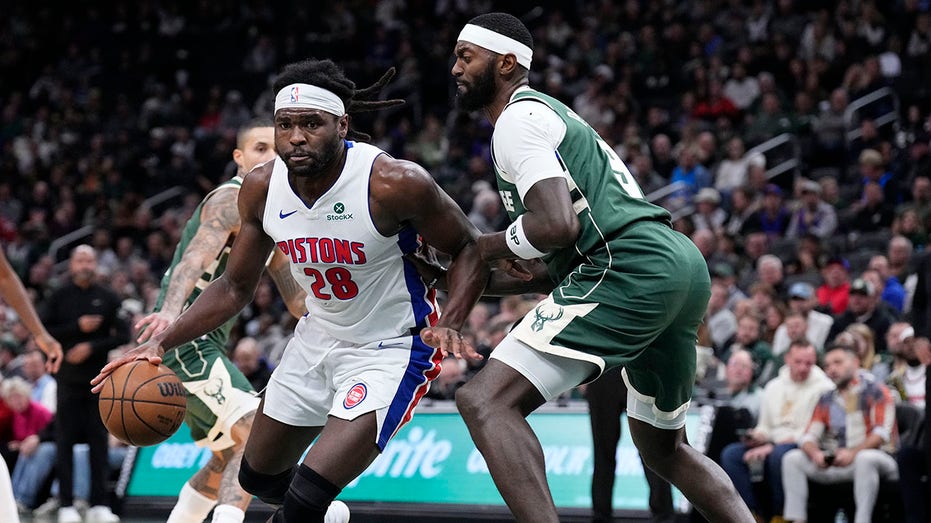
On the surface, the altercation between Detroit Pistons’ Isaiah Stewart and Milwaukee Bucks’ Bobby Portis during their recent game might seem like a standard moment of on-court heat. Yet this incident encapsulates several evolving dynamics in the NBA—relating to player psychology, team identity, disciplinary norms, and how conflicts mirror broader societal debates around aggression in sports. Understanding the context and underlying factors reveals why this clash matters far beyond a technical foul or a heated exchange.
The Bigger Picture: Historical Roots of NBA Physicality and Rivalry
The NBA’s history is punctuated with intense moments of player conflict that have often sparked deeper conversations about the league’s culture. From classic rivalries in the 1980s between Magic Johnson and Larry Bird to more recent on-court confrontations involving superstars, basketball has long balanced camaraderie with competitiveness that occasionally boils over. However, the league has increasingly emphasized player safety and sportsmanship since high-profile brawls in the 2000s (such as the infamous 'Malice at the Palace' in 2004), leading to stricter penalties and a focus on de-escalation.
Isaiah Stewart, a young player still solidifying his role, and Bobby Portis, a seasoned veteran known for his physical style, represent two archetypes clashing amid this evolving standard. Stewart’s gesture—raising a clenched fist amid verbal jawing—harks back to a historically more aggressive era of NBA play. Portis’s decision to not escalate the physical confrontations aligns with the current environment emphasizing restraint despite intense competitive emotions.
What This Incident Really Means for Player Dynamics and Team Culture
The clash exposes the psychological and emotional pressures unique to players like Stewart. His visibly angry reaction and post-ejection threat to “punch Portis” underscore the fine line athletes walk between controlled aggression as motivation and loss of composure that can harm their career and team. Detroit’s rising success this season (a strong 17-5 record) is fueled by youthful energy but also requires emotional maturity to maintain consistency.
For Milwaukee, the incident happened amid less success (10-13 record) and broader team uncertainty linked with veteran Giannis Antetokounmpo’s calf injury and trade rumors. These factors create an environment wherein frustrating moments on-court can exacerbate tensions. Portis’s measured response may reflect veteran leadership trying to manage a team in flux.
Expert Perspectives Highlight Complexities in Managing NBA Conflicts
Sports psychologist Dr. Karen Maxwell notes, “In high-stakes environments like the NBA, players are under immense pressure to assert dominance yet maintain control. Young players often grapple with channeling their emotions productively, especially when playing against experienced rivals who know how to defuse or provoke tension.”
NBA analyst and former player Jalen Morris adds, “Physicality is part of basketball’s DNA, but the difference today is how league policies, coaching, and media scrutiny shape behavior. Players like Stewart are learning that emotional outbursts can lead to costly consequences both on court and in reputations.”
Data and Evidence: Trends in Player Ejections and Technical Fouls
According to league data from the past five seasons, technical fouls and ejections have declined by approximately 20%, reflecting tighter officiating and a push for sportsmanship. Yet, increased media coverage of such incidents often amplifies their significance, affecting public perception and player branding.
Isaiah Stewart’s ejection in this game marked his second technical foul, a pattern that statistically correlates with reduced playing minutes and slower development for young players. Conversely, veteran players like Portis are less likely to receive multiple technicals due to their experience in managing on-court scenarios.
Looking Ahead: Implications for NBA Policies and Team Management
Incidents like this challenge coaches and league officials to balance competitive intensity with maintaining decorum. For Detroit, nurturing players’ emotional intelligence will be key to sustaining strong performance and avoiding distractions. Milwaukee faces the question of how veteran leadership can stabilize a team undergoing transition amid injury and trade speculation.
In the broader league context, anticipated future debates may focus on refining disciplinary practices to address emotional outbursts versus intentional violence, and how player support systems (e.g., mental health resources, conflict resolution training) can evolve. Moreover, growing fan demand for 'clean' play combined with the players’ natural competitive nature will continue creating tensions that require careful navigation.
The Bottom Line
This microcosm of on-court conflict reveals that NBA skirmishes are not just isolated incidents of raw emotion. They are intertwined with long-standing cultural struggles about aggression, professionalism, youth versus experience, and the evolving nature of sportsmanship in a media-saturated era. How players and organizations respond speaks volumes about the future direction of the league.
Topics
Editor's Comments
This skirmish between Stewart and Portis is more than just a fleeting moment of tempers flaring—it highlights the intersection of evolving league culture, youth versus experience dynamics, and the psychological demands placed on professional athletes. Stewart’s visible frustration and the subsequent threat to Portis underscore a rawness in younger players still learning to channel competitive fire productively. Meanwhile, Portis’s calm non-escalation exemplifies the role veterans play in modeling restraint amid turmoil. Intriguingly, the backdrop of Giannis's injury and trade rumors adds a layer of organizational stress, showing how off-court factors inevitably seep into on-court behavior. Going forward, the NBA’s challenge will be to create structures—through coaching, policies, and mental health resources—that support players in managing emotions without sacrificing the sport’s intrinsic competitiveness. This incident so neatly encapsulates the tensions and possibilities central to the NBA’s evolution.
Like this article? Share it with your friends!
If you find this article interesting, feel free to share it with your friends!
Thank you for your support! Sharing is the greatest encouragement for us.