Beyond the Headlines: Analyzing the Clippers’ Abrupt Departure from Chris Paul and Its Broader NBA Implications

Sarah Johnson
December 3, 2025
Brief
The Clippers' sudden split with Chris Paul reveals deep insights about managing aging NBA stars, team rebuilding, and shifting league dynamics in the face of disappointing seasons and cap challenges.
Opening Analysis
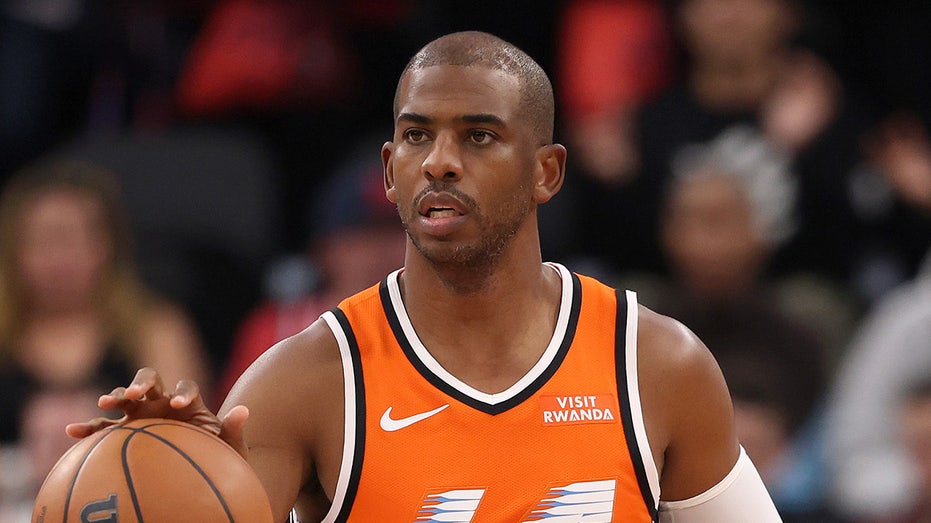
The Los Angeles Clippers' sudden decision to part ways with veteran NBA point guard Chris Paul represents more than a typical mid-season roster shakeup. It signals the end of an era for a player whose influence transcended box scores and highlighted the Clippers' aspirations to escape the league’s shadow. This abrupt move, coming amid a disappointing season and just as Paul's career appears to wind down, offers a compelling case study on the intersection of aging superstars, team rebuilding strategies, and the evolving NBA landscape.
The Bigger Picture
Chris Paul, a fixture in the NBA for over two decades, is widely regarded as one of the most skilled and cerebral point guards in basketball history. His career arc is intertwined with the Clippers’ transformation from a perennial underdog franchise to a playoff contender. Historically, the Clippers had been mired in mediocrity until the acquisition of stars such as Paul and Kawhi Leonard signaled an ambition to compete at the highest level. Paul's leadership and playmaking were core to this hopeful rebranding.
However, Paul's 21st season has been marred by diminished on-court production and team struggles, with the Clippers posting a dismal 5-16 record. The underlying factors include age-related decline, injuries, and a roster unable to harmonize effectively. The Clippers' quick fall from contender projections to early-season disappointment reflects broader patterns in NBA team life cycles, where veteran superstars must be balanced with youth and cap flexibility.
What This Really Means
Parting ways with Chris Paul mid-season is a strategic pivot with layered implications. Practically, it frees the Clippers to explore trades or roster moves aimed at rebuilding or retooling. Symbolically, it underscores the difficult reality franchises face as star players age and performance dips. For Paul himself, this phase suggests an accelerated transition toward retirement or new roles within basketball, be it coaching, mentoring, or front office involvement.
More broadly, this move reflects how NBA franchises are increasingly business-minded, willing to make tough decisions quickly to sustain competitiveness. The Clippers’ statement absolving Paul of blame and acknowledging their broader struggles shows an organizational attempt to balance respect with pragmatism. This reflects shifting player-team dynamics in an era of player empowerment and heightened media scrutiny.
Expert Perspectives
Jeannie Buss, longtime Lakers executive, contextualizes the move:', “Teams must be proactive. Veteran players bring value beyond points, but when the win-loss record falls short, leadership on and off the court becomes the focus. The Clippers are repositioning themselves for long-term health.”
Jonathan Abrams, NBA analyst and author, comments, "Chris Paul’s situation highlights the challenge of managing transition phases with aging stars. This is as much about managing cap space and future flexibility as it is about on-court output. The Clippers are making a statement about their priorities for the future."
Data & Evidence
Statistically, Paul's current averages underscore his decline: he's logging just 14.3 minutes per game, with career-low 2.6 points and 3.3 assists—numbers far beneath his peak years when he was among the league’s elite point guards. The Clippers' 5-16 start is their worst in recent memory, culminating in a five-game losing streak. Meanwhile, Paul's $3.6 million contract this season, relatively modest for a star of his caliber, illustrates a shift toward cost-conscious roster management in a league defined increasingly by salary cap constraints and luxury tax considerations.
Looking Ahead
The next steps will be critical for both Paul and the Clippers. For Paul, a trade or official retirement could occur soon. The Clippers, meanwhile, face decisions on rebuilding around younger talent or pursuing free agents to regain competitiveness. Other teams might examine Paul’s situation as a cautionary tale on the cost-benefit calculus of veteran acquisitions.
In a league emphasizing youth and pace, Paul's parting signals a transition point—how franchises balance respect for legacy with relentless pursuit of success will shape NBA dynamics in the coming seasons.
The Bottom Line
The Clippers' abrupt split with Chris Paul encapsulates the complexities of managing aging superstars amid team struggles and high expectations. It marks the close of a significant chapter for Paul and the franchise, while spotlighting broader NBA trends around player longevity, team rebuilding, and strategic roster management.
Topics
Editor's Comments
This development prompts reflection on how NBA teams manage aging superstars whose competitive windows inevitably close. Chris Paul’s unparalleled basketball IQ and leadership shaped the Clippers’ identity, making this exit as much an emotional moment as a strategic one. It raises important questions about franchise loyalty versus practical business decisions in professional sports. Additionally, the Clippers' candid acceptance of responsibility for their struggles rather than scapegoating Paul demonstrates a mature organizational culture that many teams could emulate. Looking ahead, the NBA continues to evolve in its balance between honoring legacy players and fostering young talent, a tightrope the Clippers now must navigate carefully.
Like this article? Share it with your friends!
If you find this article interesting, feel free to share it with your friends!
Thank you for your support! Sharing is the greatest encouragement for us.