Beyond the Headlines: The Deepening Crisis of Gambling in Professional Sports

Sarah Johnson
December 6, 2025
Brief
This analysis explores the growing crisis of gambling-related scandals in professional sports, examining historical precedents, systemic causes, expert insights, and the future impact on league integrity and fan trust.
Why the Rising Gambling Scandals in Professional Sports Signal a Deepening Crisis
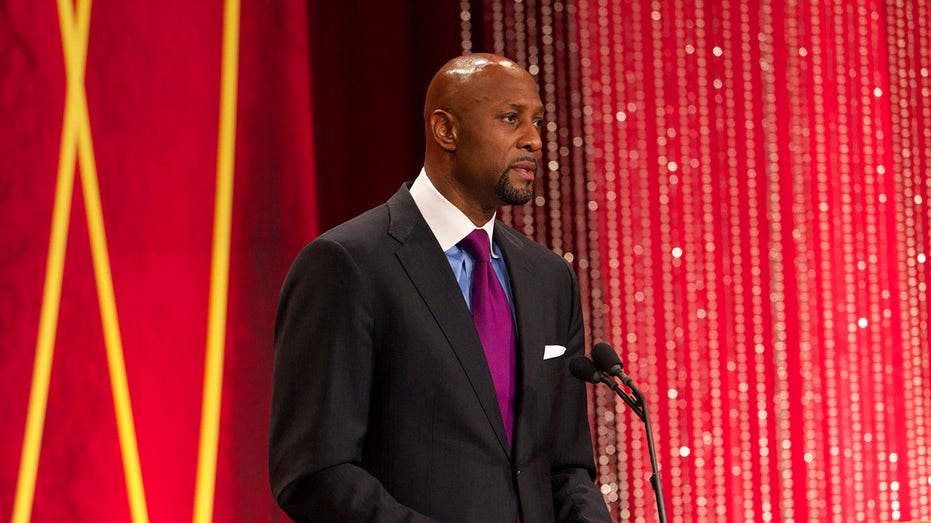
The recent arrests of high-profile athletes such as Miami Heat guard Terry Rozier and two Cleveland Guardians pitchers for allegedly manipulating game outcomes for gambling profits spotlight a serious threat facing the integrity of professional sports. Beyond isolated incidents, these developments highlight systemic vulnerabilities fueled by the rapid expansion and aggressive commercialization of sports gambling over the past decade. As Basketball Hall of Famer Alonzo Mourning poignantly observes, this is no longer a peripheral issue but a "crisis" that demands coordinated responses from leagues, regulators, and broadcasters alike.
The Bigger Picture: A Historical Context of Gambling and Sport Integrity
Sports and gambling have a long, tangled history stretching back centuries, from informal wagers on contests to the establishment of official betting markets. However, organized professional sports worked hard to distance themselves from gambling scandals after infamously disruptive episodes such as the 1919 Black Sox scandal, where baseball players were accused of intentionally losing the World Series for bribes. That watershed moment led to the appointment of baseball’s first commissioner and the tightening of rules to preserve public trust.
For much of the 20th century, strict regulations and clear prohibitions limited sanctioned betting on sports in the U.S., while gambling largely persisted underground. The landscape shifted profoundly after the 2018 Supreme Court ruling in Murphy v. NCAA, which struck down the federal ban on commercial sports betting, opening the floodgates for legalized betting markets across many states. Since then, new media deals and advertising partnerships have integrated gambling deeply into the sports entertainment ecosystem.
What This Really Means: Underlying Causes and Stakes of Today’s Gambling Crisis
The current scandals are symptomatic of multiple intersecting factors:
- Commercialization and accessibility: The quick growth of mobile sports betting apps and the placement of aggressive gambling advertisements in arenas and broadcasts normalize betting as part of the fan experience. This expansion increases pressure on athletes who may be tempted or coerced into engaging with illegal gambling rings.
- Lack of robust league oversight: While leagues have some regulations, enforcement remains inconsistent. The apparent involvement of multiple athletes in complex conspiracies involving inside information and intentional game manipulation reveals gaps in surveillance and preventative measures.
- The role of organized crime: The indictments include connections with mafia-linked gambling rings, underscoring that illegal betting markets still thrive alongside legal ones. Such criminal networks exploit athletes for insider access to fixed events.
Alonzo Mourning’s call for league front offices to "regulate and clean it up" acknowledges the critical necessity of proactive governance. Controlling "under" bets or specific pitch wagers, as MLB and the NBA are considering, represents targeted but potentially insufficient steps toward mitigating systemic risk if the root incentives and enforcement are not reexamined.
Expert Perspectives
Dr. Jonathan Casper, a professor of sports law at the University of Michigan, notes: "What we're witnessing is a perfect storm. Legalized gambling markets have vastly expanded the volume and speed of bets, while existing compliance frameworks haven't scaled equally. Without significant investment in monitoring and athlete education, scandals will likely continue." Meanwhile, former sports integrity official Karen Lee points out: "Leagues must move beyond punishment and create environments where players understand the personal and professional costs of involvement with illicit gambling. Prevention is key."
Data & Evidence: Trends Demonstrating Escalating Risk
- Since 2018, the U.S. sports betting market has grown from near zero to over $20 billion in annual wagers, expected to surpass $40 billion by 2027.
- A recent survey by the National Council on Problem Gambling estimated that 7-10% of athletes are approached or exposed to gambling actions linked to manipulation attempts.
- MLB reported a 25% increase in suspicious activity alerts over the past two seasons, reflecting heightened risk but also improved detection.
Looking Ahead: What to Watch For
The trajectory of gambling in sports poses several important questions:
- Will leagues harmonize regulations across sports and states to create consistent anti-gambling manipulation protocols? Fragmentation currently creates loopholes exploiters can use.
- Can advances in analytics and real-time monitoring of betting patterns become standard tools for identifying suspicious behavior early? Integrating AI-driven insights with insider reporting could improve detection.
- How will the public’s trust in professional sports be maintained? Without transparent, credible enforcement and swift action, reputational damage will deepen.
As Alonzo Mourning warns, gambling is "here to stay," and sports organizations must evolve from reactive crisis management to strategic, sustained integrity management if the foundational appeal of fair competition is to endure.
The Bottom Line
Recent arrests represent only the visible tip of a deeper crisis threatening to erode the integrity of professional sports amid rapidly expanding legalized gambling markets. The intersection of commercial promotion, criminal infiltration, and inadequate regulation creates high-stakes challenges that leagues cannot afford to ignore. What’s needed is a comprehensive approach including robust oversight, coordinated regulations, athlete education, and cutting-edge surveillance tools. Otherwise, as the Hall of Famer Alonzo Mourning emphasizes, the image and future of sports will be set at risk in ways that are “just not fun to see.”
Topics
Editor's Comments
This evolving crisis exposes a tension at the heart of modern sports: the lucrative partnership with gambling industries versus the imperative of preserving authentic competition. While leagues have begun modest regulatory responses, the interplay of economic incentives and athlete vulnerability suggests far deeper structural reforms are necessary. This raises critical questions about the ethics of gambling promotion in arenas and broadcasts, the adequacy of player support systems, and the role of law enforcement. Future research and policy must consider how to balance these competing interests without sacrificing the integrity that defines professional sports’ global appeal.
Like this article? Share it with your friends!
If you find this article interesting, feel free to share it with your friends!
Thank you for your support! Sharing is the greatest encouragement for us.