
Beyond the 911 Call: Analyzing Luigi Mangione’s Arrest and Its Broader Implications for Justice and Policing

Sarah Johnson
December 5, 2025
Brief
An in-depth analysis of Luigi Mangione’s arrest reveals critical tensions between civilian vigilance, constitutional rights, and law enforcement protocols amid a high-profile murder investigation.
Why this Story Resonates Beyond a Single Arrest
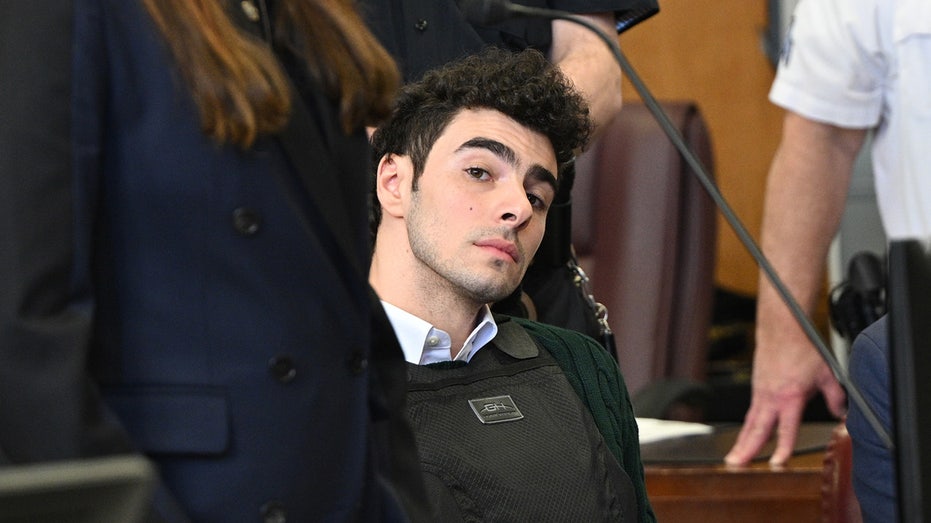
The release of the 911 call leading to Luigi Mangione's arrest in connection with the high-profile murder of UnitedHealthcare CEO Brian Thompson is more than just courtroom drama. It highlights the evolving dynamics of public vigilance, law enforcement procedures, and the intricacies of criminal prosecutions in headline-making cases. At its core, this incident exposes how ordinary citizens, surveillance technologies, and police protocols intersect in modern investigations.
The Bigger Picture: Contextualizing Vigilance and Policing in High-Profile Crimes
The arrest stemming from a McDonald's manager’s suspicious observation brings to the forefront the increasing role of civilian awareness in aiding law enforcement. Historically, public tip-offs have often played crucial roles in apprehending suspects, but today's culture of instant information sharing and heightened alertness to news events amplifies this phenomenon. The swift identification of Mangione—initially described as a masked figure carrying a shopping bag—signals the broad public impact and fear following a high-profile assassination.
This case also underscores enduring challenges in law enforcement: balancing rapid response with constitutional safeguards such as the Fourth and Fifth Amendments. Defense arguments focusing on the suppression of evidence from Mangione’s backpack and statements highlight ongoing tensions between effective policing and the preservation of individual rights. The legal debate around what constitutes a lawful search and questioning without Miranda warnings is a continuation of a decades-long jurisprudential conversation intensified in a social media era where evidence trails multiply.
What This Really Means: The Intersection of Suspicion, Surveillance, and Civil Liberties
The manager’s characterization of Mangione as "looking like the CEO shooter" points to an era where identification can often rely heavily on appearances and circumstantial observations. While such community vigilance can expedite justice, it risks pitfalls of racial or behavioral profiling, raising questions about fairness and reliability. Moreover, the public release of the 911 audio and police evidence—such as photographs of his personal effects—reflects both the transparency and spectacle surrounding criminal proceedings involving elite victims.
The defense’s push to suppress evidence taps into broader debates on technological impacts on policing; the digital trails on Mangione’s MacBook and possession of cash tie into concerns over privacy, financial transparency, and potential premeditation. Prosecutors’ stance that routine warrantless searches after arrests are justified reflects mainstream legal interpretations but invites scrutiny about how broadly such exceptions can be applied without eroding constitutional protections.
Expert Perspectives
Professor Rachel Harmon, a constitutional law scholar, observes, "This case exemplifies the delicate balance between law enforcement efficiency and civil liberties. Courts must carefully weigh whether searches and interrogations adhere strictly to constitutional safeguards, especially under emotionally charged circumstances involving high-profile targets." Meanwhile, criminologist David Kennedy notes, "Public vigilance, like that from the McDonald's manager, is invaluable but can be a double-edged sword—both aiding justice and risking overreach if based on superficial factors." Expert views stress the need for procedural rigor and community education around responsible reporting to authorities.
Data & Evidence: Trends in Public-Assisted Arrests and Legal Challenges
Data from the FBI’s Uniform Crime Reporting system shows a 15% increase over the past decade in arrests aided by civilian tips, often via 911 or emergency apps. However, according to a 2023 DOJ report, about 20% of prosecutions face challenges regarding evidence admissibility linked to warrantless searches or Miranda violations—an ongoing tension reflected in this case.
Additionally, mounting distrust between communities and police since the early 2020s has led some advocacy groups to call for clearer guidelines on the use of public surveillance and detailed protocols for evidence handling. This case serves as a microcosm of that broader national debate.
Looking Ahead: What to Watch as This Case Develops
The suppression hearing underway will be pivotal—its outcome could influence legal standards for warrantless searches in similar high-profile criminal probes nationwide. Court rulings here may also impact how police interrogations post-arrest are conducted, potentially redefining the threshold for Miranda requirements in situations perceived as routine investigatory stops.
Moreover, public consumption of released evidence raises ethical questions around the privacy of suspects prior to conviction and the potential media-driven trial by public opinion. Observers should monitor not just the legal consequences for Mangione, but also the procedural precedents that emerge.
The Bottom Line
This case illustrates the complex interplay between community involvement, law enforcement tactics, constitutional rights, and media transparency in modern justice systems. Beyond the gripping narrative of a CEO’s murder and a dramatic arrest, it raises enduring questions about how justice is pursued and protected in a society saturated with surveillance and instantaneous information.
Topics
Editor's Comments
This case is a fascinating lens through which to examine the balances our justice system must navigate—between swift, effective law enforcement and protecting constitutional rights. While the public’s role in aiding police is undeniably crucial, we must remain vigilant against the risks of rushed judgments or over-policing based on appearance. The upcoming evidence suppression hearing isn't just about one defendant's fate; it could shape legal standards on searches and Miranda rules nationwide. As society grapples with increased surveillance and instant access to information, ensuring fair, rights-respecting procedures remains more important than ever.
Like this article? Share it with your friends!
If you find this article interesting, feel free to share it with your friends!
Thank you for your support! Sharing is the greatest encouragement for us.