Beyond the Rumor: How Paul Anka’s ‘My Way’ Helped Shape Frank Sinatra’s Enduring Legacy

Sarah Johnson
December 3, 2025
Brief
Paul Anka’s recent comments on Frank Sinatra reveal deeper truths about celebrity mythology, legacy preservation, and the cultural impact of ’My Way’ far beyond Hollywood gossip.
Opening Analysis
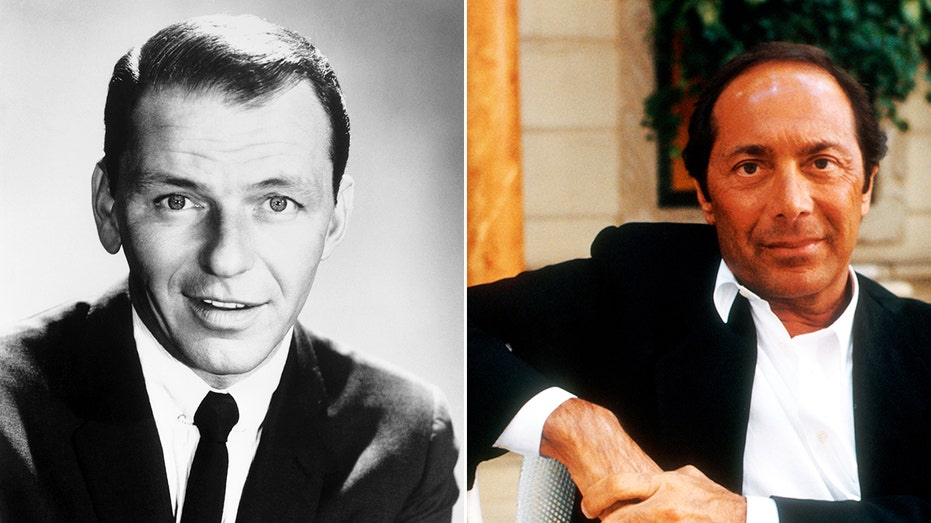
The recent confirmation by Paul Anka of a long-circulated rumor about Frank Sinatra’s personal life offers more than Hollywood gossip; it opens a window into the cultural mythology surrounding one of the 20th century's most iconic figures. While the salacious detail has drawn attention, the deeper story lies in how Sinatra’s legacy has been shaped by storytelling, myth-making, and the enduring power of his music—especially through Anka’s lyricism on "My Way." This discussion prompts reflection on celebrity culture, nostalgia, and the ways legacies are both constructed and remembered.
The Bigger Picture
Frank Sinatra, dubbed “Ol’ Blue Eyes,” transcended the role of mere entertainer to become a symbol of postwar American cool, style, and resilience. Emerging from the big band era of the 1930s and reaching peak popularity in the 1950s and 1960s, Sinatra’s career reflected broader social changes, including shifts in notions of masculinity, identity, and celebrity. His marriage to Ava Gardner and membership in the Rat Pack further furnished his persona with glamour, rebellion, and a complicated personal mythos.
Paul Anka’s connection to Sinatra—particularly through the English lyrics to the French original melody "Comme d’habitude," making "My Way"—cements Anka not just as a collaborator but as a key figure in the perpetuation of Sinatra’s global iconography. "My Way" became an anthem of determination and self-definition, qualities aligning with the American post-war individualism that Sinatra epitomized.
What This Really Means
The revelation about Sinatra’s rumored endowment is emblematic of Hollywood’s fascination with mystique and virility, especially around male stars of Sinatra’s era. Such rumors underscore the hyper-masculine ideals Sinatra represented, playing into the public's perennial appetite for seeing celebrities as larger-than-life figures. More subtly, Anka’s lighthearted comment about Milton Berle eclipsing Sinatra in this realm reveals a quietly humorous commentary on celebrity bravado versus reality—reminding us how tall tales and humor blend to humanize legends.
More consequential, however, is Anka’s reflection on how "My Way" gave Sinatra a career revival at a moment he was considering exiting show business. This moment marks the intersection of artistry and legacy: a song that has become a global cultural artifact, embraced by diverse audiences from Elvis Presley fans to punk rockers like Sid Vicious, speaks to the elasticity of cultural symbols and their reinterpretation across generations.
Anka’s current efforts to preserve Sinatra’s songbook for contemporary audiences—including younger generations on platforms like TikTok—signal ongoing challenges in cultural transmission. The fading memory of figures like Johnny Carson and Sammy Davis Jr. highlights generational shifts in media consumption and cultural literacy, raising questions about how modern audiences engage with historical legacies beyond entertainment.
Expert Perspectives
Dr. Susan J. Douglas, Professor of Communication Studies: "Sinatra’s mythology has always been a blend of constructed public image and intimate personal narrative. Paul Anka’s lyrical contribution to ‘My Way’ is a perfect example of how music helps forge a lasting cultural identity. The rumor confirmation, while trivial, is part of the iconography that surrounds celebrity and masculinity—reinforcing rather than diminishing Sinatra’s legend."
Jay Berman, Music Historian and Author of ‘Legends in Lyrics’: "The genius of Anka’s lyrics lies in capturing a universal sentiment of self-determination, which was a natural fit for Sinatra’s persona. It’s fascinating how ‘My Way’ transcended genre and subculture, embraced by rebellious icons and mainstream stars alike, underscoring the song’s unique place in American—and world—music history."
Data & Evidence
- "My Way" is routinely cited as the most played song at funerals in the United States, a testament to its emotional resonance and cultural pervasiveness.
- The song has been covered by over 20 artists across genres, including Elvis Presley, Sid Vicious, and Michael Bublé, illustrating its broad appeal.
- Demographic data from music platforms show a resurgence of interest in Sinatra’s catalog among younger listeners, spurred by modern artist tributes and viral social media trends.
Looking Ahead
Paul Anka’s intention to keep Sinatra’s legacy alive through performances tailored to both older and younger audiences is a microcosm of broader efforts to preserve mid-20th century cultural heritage in an increasingly digital and fragmented media environment. The challenge lies in contextualizing these icons so they remain relevant without succumbing to nostalgia trade or simplistic mythologizing.
Further, as platforms like TikTok revive older music for new audiences, there is potential for renaissance moments for other musical legends, but risks exist that the deeper histories and complexities get lost. Efforts by artists like Anka who bridge generations will be crucial in shaping how legacies endure.
The Bottom Line
Paul Anka’s confirmation of a decades-old Frank Sinatra rumor offers a colorful glimpse into Hollywood lore but is just a surface detail in a much richer narrative. The enduring collaboration embodied in "My Way" and the evolving efforts to transmit Sinatra’s musical legacy underscore broader themes of cultural memory, identity construction, and the complexities of celebrity mythology. As society continues to evolve, so too will the ways we honor and reinterpret icons like Sinatra, ensuring they are remembered not only for stories but for the cultural forces they helped define.
Topics
Editor's Comments
This story beautifully illustrates how trivial Hollywood gossip can mask deeper cultural dynamics at play. Sinatra’s persona was carefully built over decades, combining music, charisma, and a bit of myth-making. Paul Anka’s role in crafting ‘My Way’ reminds us that even the greatest legacies depend on collaboration and storytelling. It’s interesting how Anka acknowledges new audiences unfamiliar with Rat Pack legends, signaling a shifting cultural landscape where historical icons must be actively preserved or risk fading into obscurity. This underscores a broader challenge faced by cultural historians and entertainers alike in the digital age: how to keep heritage alive without reducing it to mere nostalgia.
Like this article? Share it with your friends!
If you find this article interesting, feel free to share it with your friends!
Thank you for your support! Sharing is the greatest encouragement for us.