How Dogs Are Revolutionizing the Fight Against the Invasive Spotted Lanternfly

Sarah Johnson
December 3, 2025
Brief
Virginia Tech study leverages dogs' superior scent detection to tackle the invasive spotted lanternfly threat, offering innovative, eco-friendly pest control with broader implications for biodiversity protection.
Opening Analysis
The recent Virginia Tech study demonstrating dogs’ ability to detect invasive spotted lanternflies represents a significant innovation in ecological management. As this pest continues to threaten U.S. agriculture and ecosystems, the integration of canine scent detection offers a scalable, environmentally friendly tool that tackles a critical challenge: locating well-camouflaged egg masses before hatching. Beyond the headline, this development feeds into larger discussions about multi-disciplinary approaches to biological invasions and the underutilized potential of animals in conservation efforts.
The Bigger Picture
The spotted lanternfly (Lycorma delicatula) first appeared in Pennsylvania around 2014, likely transported via international trade. Native to Asia, this planthopper's rapid spread—now confirmed in 19 U.S. states—has triggered alarm due to its voracious feeding on grapevines, fruit trees, hardwoods, and ornamentals. It secretes honeydew that fosters mold growth, damaging plants and discouraging beneficial insects. As this pest weakens economically vital crops like grapes and hops, industries such as winemaking, already multi-billion dollar enterprises, confront escalating risks.
Control efforts historically emphasize visual egg mass removal and chemical pesticides, but these strategies face steep hurdles: egg masses resemble dried mud, blending into bark and surfaces, making manual detection slow and inefficient. Chemical controls pose environmental hazards and often fail to eradicate all life stages.
Within this context, the use of canine olfaction for biosecurity leverages a historically proven ability—dogs have been trained for decades in narcotics, explosives, and wildlife conservation scent work. This study marks an important extension of scent technology applied innovatively to invasive insect management.
What This Really Means
Dogs’ ability to locate spotted lanternfly egg masses with 60-80% accuracy outdoors transforms surveillance efforts from random, labor-intensive searches into strategic, targeted interventions. This efficiency could substantially slow population growth by enabling timely egg mass removal, a critical window before nymph emergence and widespread feeding damage.
Psychologically and socially, providing dog owners and conservation volunteers with a purposeful way to engage in environmental protection fosters community-based stewardship. It also represents a non-chemical method, aligning with growing public demand for sustainable pest management and reducing pesticide reliance.
The study’s implication extends beyond spotted lanternflies: training dogs to detect invasive species presents an adaptable framework for multiple conservation challenges—infestations of invasive plants, other insects such as emerald ash borer, or even environmental hazards.
Expert Perspectives
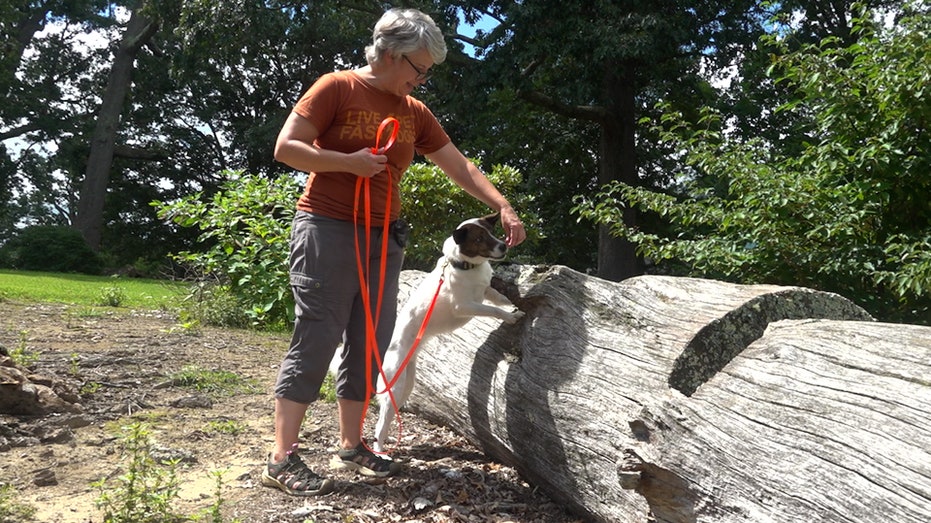
Katie Thomas, Canine Trainer and Study Participant noted, "Dogs use their nose like their eyes, and being able to train them to help protect our community taps into something deeply positive about human-animal partnerships." Her comment echoes growing recognition among ecologists that including animals in management strategies can multiply impact.
Carolyn Shelburne, Conservation Scientist and Handler, stressed urgency: "It's too late once we see the lanternflies—finding the eggs early changes the game." Her insight highlights the value of preemptive action and how canine detection enhances that capability beyond human senses.
Adding to this, Dr. Anne Nielsen, an entomologist specializing in invasive species management, remarks, "Integrating biological detection with traditional methods could redefine invasive species control, especially where chemical use faces resistance or limitations. The adaptability of this approach is highly promising."
Data & Evidence
- Spread: From Pennsylvania, the lanternfly is now in 19 states, showing exponential invasion typical of hitchhiking pests.
- Detection Accuracy: Dogs identified lanternfly scents >80% indoors and >60% outdoors, surpassing typical human detection rates.
- Volunteer Engagement: 182 dog-handler teams participated nationally, demonstrating scalable volunteer mobilization.
- Agricultural Impact: Spotted lanternfly damage costs agriculture millions annually, threatening crops that compose billions in economic output.
Looking Ahead
Future developments may refine training protocols, improving outdoor detection rates by exposing dogs to more varied environments and egg mass substrates. Potential also exists for deploying these canine teams strategically in state-managed eradication zones and at critical transport hubs to prevent spread.
Research should explore cross-training dogs on multiple invasive pests, building a flexible biosecurity force adaptable to emerging threats, including invasive plants and disease vectors. Integration with remote sensing and drone technology could amplify surveillance capabilities.
One challenge remains: institutionalizing these volunteer canine programs requires stable funding, robust training standards, and coordination with agricultural agencies. Yet, their community appeal and eco-friendly pedigree could attract broad support.
The Bottom Line
Virginia Tech’s study unveils an innovative, practical application of dogs’ unparalleled scent abilities to confront a damaging invasive pest. It not only offers a scalable tool to enhance early detection and control of the spotted lanternfly but also exemplifies how human-animal collaboration can forge new pathways in ecological management. This approach could catalyze more humane, efficient, and community-empowering methods in invasive species control across diverse environments.
Topics
Editor's Comments
This study underscores a compelling shift toward integrating biological assets—specifically trained animals—into environmental management, which historically leans heavily on chemical and mechanical interventions. While the concept of detection dogs isn’t new, applying it to insect pest egg masses with such promising accuracy is groundbreaking. It invites reflection on how interdisciplinary collaboration between ecologists, veterinarians, and community volunteers can reshape biosecurity frameworks. However, scaling this approach requires institutional backing and standardized training protocols to maintain reliability across larger geographic regions. Additionally, as climate change influences invasive species dynamics, adaptable, eco-friendly tools like these become increasingly vital. The question remains: can governmental and agricultural bodies integrate this method rapidly enough to outpace evolving pest threats?
Like this article? Share it with your friends!
If you find this article interesting, feel free to share it with your friends!
Thank you for your support! Sharing is the greatest encouragement for us.