Indiana at No. 1, Miami Sneaks In: The Hidden Power Politics of the New College Football Playoff

Sarah Johnson
December 8, 2025
Brief
Indiana’s shock No. 1 seed and Miami’s late playoff entry expose how brand value, conference power, and independence are reshaping college football’s new 12-team era far beyond simple wins and losses.
Indiana’s Shock Rise and Miami’s Last-Minute Entry: What This College Football Playoff Field Really Tells Us
Indiana at No. 1. Miami slipping in from outside the top 12. Duke winning the ACC but staying home. Notre Dame on the curb as the first team out. On the surface this looks like another chaotic College Football Playoff selection day in the first year of the 12-team era. Underneath, it’s a case study in how money, media footprint, historical bias, and the uneasy marriage between “on-field results” and “brand value” are shaping the future of the sport.
This bracket is about much more than who gets a bye. It’s an early blueprint for how the expanded playoff will reward certain programs, marginalize others, and quietly redefine what counts as success in modern college football.
Indiana’s No. 1 Seed: A Symbol of the Big Ten’s New Power Structure
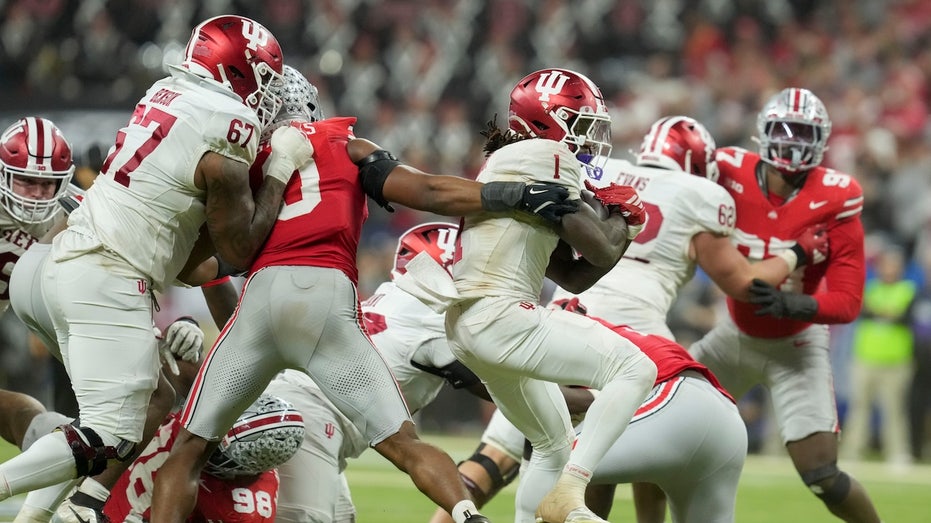
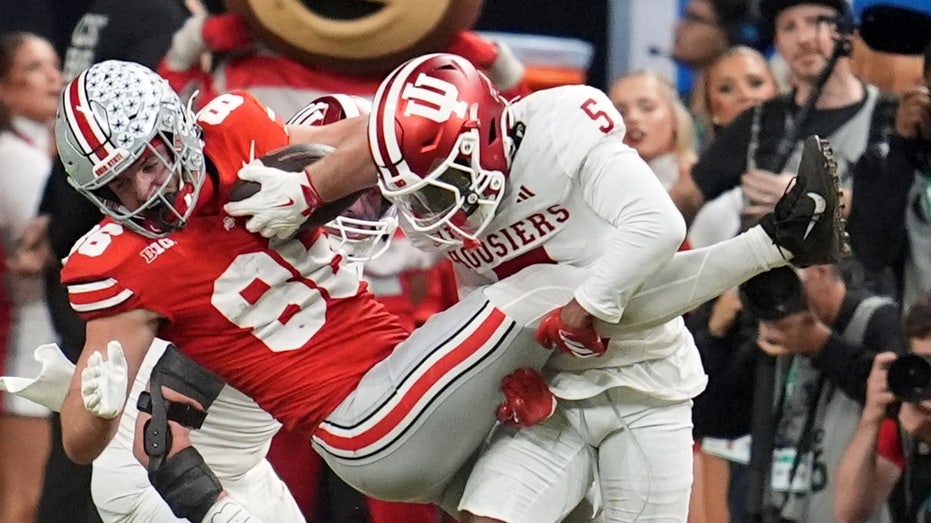
Indiana’s upset over Ohio State in the Big Ten Championship did more than reshuffle seeding—it exposed how much weight conference titles and late-season results now carry, especially in a super-conference like the Big Ten.
Historically, Indiana has been an afterthought in Big Ten football. Before this breakthrough, the Hoosiers had only sporadic success and almost no national relevance compared to giants like Ohio State, Michigan, and Penn State. Their emergence as the No. 1 overall seed is startling, but it’s also consistent with a long-term trend: the consolidation of power within a few mega-leagues where even traditional “middle-tier” brands can become national players if they catch the right wave of TV money, recruiting access, and coaching stability.
In the last decade, the Big Ten’s media deals have soared—its most recent TV package is worth more than $7 billion over seven years. That money translates into facilities, staff size, recruiting operations, and national visibility. Indiana’s rise is less an out-of-nowhere fairy tale and more the byproduct of a resource-rich ecosystem where even historically mediocre programs can vault toward the top when they align coaching, NIL, and institutional investment.
By giving Indiana the No. 1 seed and a bye, the committee also sent a message: in the 12-team format, conference champions—from the right conferences—will be aggressively rewarded. That’s crucial, because it sets expectations for a future where regular-season value is under pressure from an expanded postseason.
Miami’s Late Surge vs. Duke’s Snub: Brand vs. Principle
Miami’s entry and Duke’s exclusion highlight the core tension at the heart of the new playoff: is this truly a meritocratic tournament, or a curated television product?
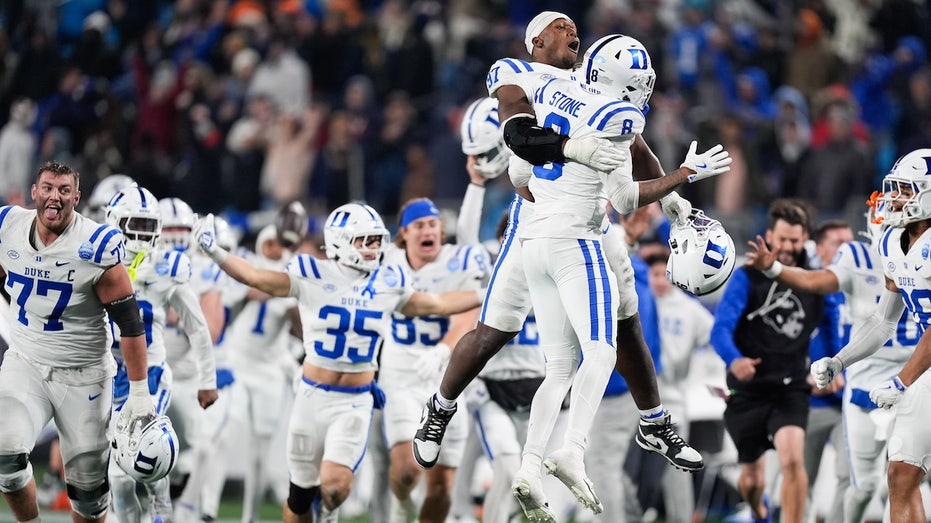
Duke wins the ACC Championship—one of the sport’s historic power conferences—and still misses the field. Miami, which entered the week outside the projected playoff, sneaks in while Duke is left out and Notre Dame, ranked No. 10 the prior week, becomes the first team out.
From a pure merit standpoint, leaving out a power-conference champion while including a team it beat or outperformed in league play raises immediate fairness questions. But from a business standpoint, Miami offers what Duke football does not: a recognizable national brand, a history of championships, and a reputation (fair or not) for being TV-friendly drama.
This isn’t new. In the BCS era, brand-name programs consistently benefited from poll bias. The playoff era was supposed to fix that with a committee armed with data, but research from multiple analysts over the last decade has shown that helmet logos still matter. Brand programs get more preseason attention, more benefit of the doubt in early rankings, and more leniency after losses.
Miami’s résumé—losses to Louisville and SMU, but enough quality wins to stay in the conversation—gave the committee just enough cover. Duke, meanwhile, is a basketball school in the public imagination, and that perception problem likely mattered more than the ACC title should have allowed.
Notre Dame on the Outside: The Independent Problem in a Conference-Centric Era
Notre Dame’s exclusion as the first team out is about more than one season; it’s a referendum on the viability of football independence in the playoff era.
The Irish entered selection weekend ranked No. 10, with two losses—one to Miami and one to Texas A&M—but an otherwise clean run the rest of the year. In the 4-team playoff era, Notre Dame’s independence was often an asset: a national schedule, no risk of a conference title game loss, and enormous branding leverage. In a 12-team system that clearly prioritizes conference champions for access and seeding, independence starts to look like a liability.
Notre Dame had no opportunity to secure a conference championship and claim one of the “reserved” access points, especially those No. 11 and 12 slots left for conference title winners. When chaos hit—Duke winning the ACC, Texas Tech blowing out BYU for the Big 12, James Madison and Tulane grabbing Group of Five crowns—Notre Dame had nothing more to add to its résumé. Others did.
The message to South Bend is clear: stay independent, and you live in a world where chaos can push you out late, even if your resume looks like a playoff team’s on paper. Over time, that pressure will strengthen the hand of those arguing that Notre Dame must eventually embrace conference membership, almost certainly in the Big Ten or ACC, to retain full competitive leverage.
Group of Five Champions: James Madison and Tulane Hit the Ceiling
James Madison and Tulane, both conference champions from outside the power leagues, once again ran into the structural ceiling of modern college football. They did everything asked of them: they won their leagues, they showed sustained success over multiple seasons, and yet they were still reduced to long-shot arguments for the last spots.
This continues a pattern from the 4-team era, where only a handful of Group of Five teams—most notably Cincinnati in 2021—ever cracked the playoff. The expanded field was sold partly as a solution to that inequity, promising more access for successful non-power programs. In practice, the same obstacles remain:
- Fewer ranked wins due to weaker conferences
- Limited nonconference opportunities against top-tier powers
- Perception bias that devalues their records compared to 2–3 loss power-conference teams
James Madison and Tulane winning their conferences but still hovering on the fringes signals that expansion alone doesn’t equal true access. Without scheduling reforms that require power teams to play and travel to these schools, their path will remain narrow.
Alabama’s Slide: The End of Automatic Deference to Blue Bloods?
Alabama’s third loss and a 21-point defeat to Georgia in the SEC Championship dropped them out of serious contention. Ten years ago, a three-loss Alabama team—even with that kind of loss—would still have dominated the conversation.
Here, their fall to No. 9 pre-championship and then a decisive defeat stripped away the traditional aura of inevitability. It hints at a subtle but important evolution: the committee appears more willing to treat even the bluest of blue bloods as just another data point when their record demands it.
That doesn’t eliminate brand bias, but it suggests there’s at least a limit to how far it stretches in the 12-team ecosystem, especially when there are multiple viable alternatives with cleaner résumés.
What’s Really Driving These Decisions?
Stepping back, several forces appear to be colliding in this year’s field:
- Television value: Programs like Miami and Ohio State are ratings engines; their presence is worth millions in ad revenue and subscription value.
- Conference leverage: The Big Ten and SEC, as the sport’s financial anchors, are likely to see their top teams prioritized, especially champions.
- Perception of strength: Middle-tier teams from power conferences are still valued over elite Group of Five programs, even with similar or better records.
- Late-season weighting: Conference championships function as de facto quarterfinal auditions; winning them can vault a team like Indiana, while losing can bury a team like BYU.
On paper, the committee applies criteria like strength of schedule, head-to-head results, and conference championships. In practice, those criteria interact with television, branding, and politics in ways that aren’t fully transparent. This year’s field underscores how subjective those judgment calls remain.
Expert Perspectives: Legitimacy vs. Entertainment
Several experts point to this bracket as a pivotal stress test for the new playoff model.
Sports economist Dr. Victor Matheson has long argued that expanded playoffs tend to favor established brands: “When more teams qualify, the marginal spots don’t go to the most deserving in a vacuum; they go to the teams that keep viewers from changing the channel.” Miami’s selection over Duke fits that thesis almost too neatly.
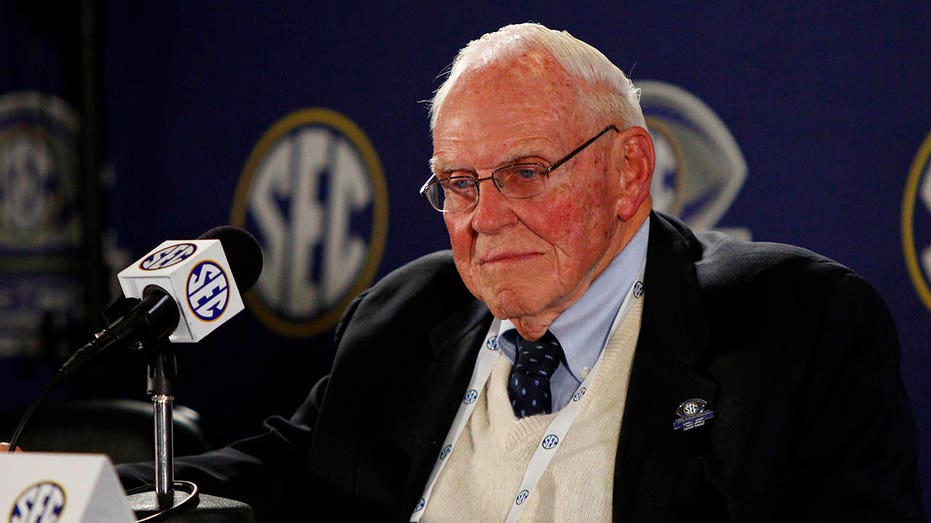
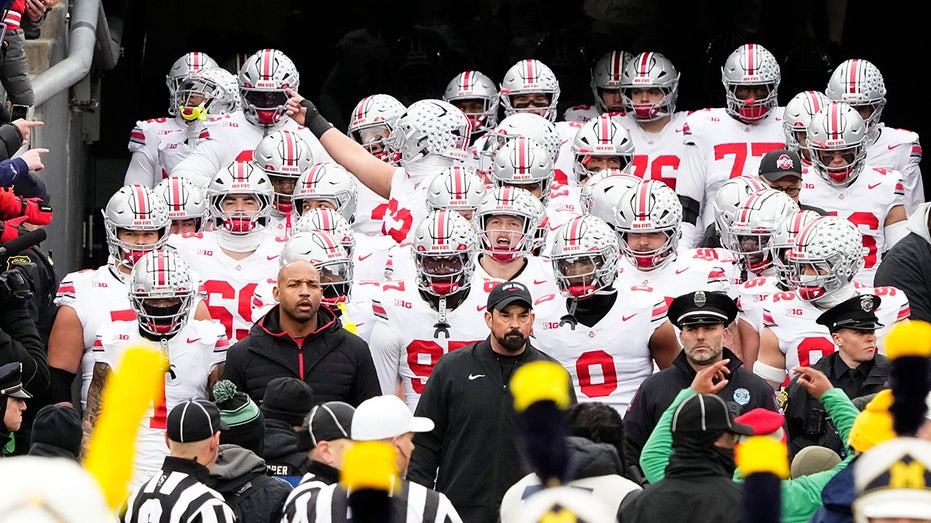
Meanwhile, former CFP committee member and athletic director Tom Osborne has warned publicly that the more the playoff grows, the more pressure there is to balance legitimacy with ratings. This year’s decisions—rewarding Indiana heavily, punishing Alabama, and still prioritizing a brand like Miami—illustrate that balancing act in real time.
What This Means for the Future of College Football
This year’s field isn’t just a snapshot; it’s a roadmap. Several long-term implications stand out:
- Conference realignment pressure will intensify. Notre Dame’s exclusion and Duke’s snub send a stark message: the safest path into the playoff runs through strong conferences. Independence and weaker leagues carry increasing risk.
- Middle-tier power programs will invest heavily. Indiana’s surge to No. 1 tells every mid-table Big Ten and SEC program that a breakthrough is realistic if they spend aggressively on coaching, NIL, and facilities.
- Group of Five politics will simmer. James Madison and Tulane’s situations will fuel calls for guaranteed access slots for top-ranked Group of Five champions, or at least more transparent criteria.
- Regular-season scheduling will evolve. Teams may seek more marquee matchups to differentiate themselves, but also manage risk carefully, knowing late-season conference championships can overwrite early perception.
- Committee transparency will face renewed scrutiny. The apparent inconsistency—ACC champion Duke out, Miami in; Notre Dame out despite prior ranking—will drive demands for clearer explanations and perhaps more objective metrics.
Looking Ahead: What to Watch Beyond the Games
As the playoff unfolds, the on-field storylines—whether Ohio State can repeat, whether Indiana is for real, whether Georgia reclaims dominance—will dominate the broadcast. But the off-field consequences may prove more important:
- Notre Dame’s next move: If similar exclusions recur, internal pressure to join a conference could become difficult to ignore.
- ACC identity crisis: An ACC champion missing the field harms the league’s already fragile position in the realignment arms race.
- Group of Five negotiations: Expect commissioners from leagues like the Sun Belt and American to push harder for structural guarantees, not just hopeful at-large bids.
- Committee reform debates: This bracket will become Exhibit A for those arguing that human committees, influenced consciously or not by branding and TV pressures, cannot be the final word.
The Bottom Line
The 12-team playoff was sold as a broader, fairer, more inclusive system. In some ways, this year’s field delivers on that promise: a new face like Indiana at No. 1, a fading giant like Alabama pushed down, multiple conferences represented.
But the underlying dynamics haven’t changed as much as advertised. Brand names still matter. Conference power still matters. Group of Five programs still face a glass ceiling. And independence, for all its romantic appeal, is becoming strategically dangerous.
The lesson from this bracket isn’t just who got in. It’s that college football, even in its expanded era, remains a negotiation between sport and spectacle. The teams that understand that—and build their programs accordingly—will define the next decade.
Topics
Editor's Comments
What’s most striking about this playoff field isn’t a single controversial decision, but the pattern that emerges when you look at them together. Indiana’s elevation, Miami’s rescue from the bubble, Duke’s dismissal, and Notre Dame’s near-miss all tilt in favor of entrenched power structures: major conferences, established brands, and the TV partners that profit from them. That doesn’t mean the committee is acting in bad faith; it means they’re operating within a landscape where financial and political incentives are inescapable. The danger is that the sport drifts toward a quasi-franchise model—where a handful of programs are effectively guaranteed recurring contention—while still selling itself as a meritocracy. The real question going forward is whether university presidents, commissioners, and fans will demand mechanisms that counterbalance those incentives, such as codified access for non-power champions and more rigorous public accountability from the committee. Without that, each expansion risks becoming less about inclusion and more about formalizing an elite club.
Like this article? Share it with your friends!
If you find this article interesting, feel free to share it with your friends!
Thank you for your support! Sharing is the greatest encouragement for us.