Inside the Spy Game: What Ukraine’s Arrest of a British National Says About Hybrid Warfare

Sarah Johnson
December 4, 2025
Brief
An in-depth analysis of the arrest of British national Ross Cutmore in Ukraine reveals the complex espionage tactics and challenges posed by foreign volunteers amid the Russia-Ukraine conflict.
The High-Stakes Spy Game in Ukraine: A British National’s Arrest and Its Broader Implications
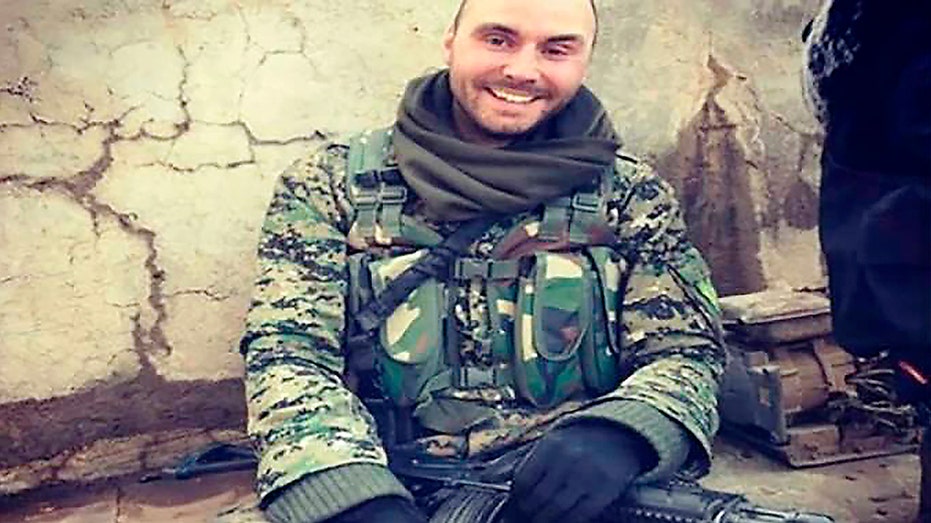
The recent detention of Ross David Cutmore, a British national accused of collaborating with Russia’s Federal Security Service (FSB) to carry out assassinations in Ukraine, underscores the complex espionage battles underpinning the ongoing Russia-Ukraine conflict. While at first glance this arrest might seem like a straightforward national security case, it actually offers a revealing window into the modern intelligence warfare landscape and the precarious position of foreign fighters drawn into proxy conflicts.
The Bigger Picture: Historical and Geopolitical Context
Espionage and sabotage have long been integral components of statecraft in Eastern Europe’s turbulent history, from Cold War covert operations to the hybrid warfare tactics Russia has employed since its 2014 annexation of Crimea. Ukraine, already a frontline state vying for Western integration, has emerged as a battleground not just for conventional military engagements but also for intelligence operations designed to destabilize and influence the war’s outcome.
This case fits within the broader pattern of Russia leveraging foreign nationals as assets—a tactic dating back decades—to penetrate adversarial ranks. The use of individuals with presumed Western military experience, such as alleged "former military instructors" like Cutmore, suggests Russian intelligence aims to exploit existing vulnerabilities within Ukraine’s international support networks. Ireland’s own historical experience during the Troubles, for instance, provides parallels in how foreign actors can be recruited for covert roles, although on a different scale.
What This Really Means: Espionage as a Weaponized Extension of the Conflict
Cutmore's alleged trajectory—from arriving in Ukraine ostensibly to support its military efforts to becoming a covert operative for Russia—reveals a potent dynamic: the blurring of lines between volunteerism, mercenary activity, and espionage. The SBU’s claim that Cutmore was motivated by "easy money" elucidates how financial incentives can drive some foreign volunteers to turn against the host nation, highlighting a fissure in the romanticized narrative of foreign fighters unified by ideology alone.
This incident also brings into sharp focus the challenges Ukraine faces in vetting foreign volunteers amid an urgent demand for military expertise. The vast influx of foreign fighters since 2022 has created opportunities for foreign intelligence services to plant agents within Ukraine’s defense establishment—information invaluable for targeting assassinations, disrupting training, and carrying out sabotage.
Moreover, the reported targeting of foreign military instructors for intelligence gathering is strategic; these individuals often possess detailed knowledge of military logistics, tactics, and personnel—a critical advantage in hybrid warfare. The arrest effectively exposes vulnerabilities in Ukraine's internal security protocols and raises difficult questions about trust and screening measures in a war zone reliant on international solidarity.
Expert Perspectives: Insights from Security Analysts
Dr. Kateryna Lysenko, a Ukrainian security studies expert, notes: "This case exemplifies how Russia’s espionage apparatus operates not just through direct agents but by exploiting ideological and financial weaknesses in volunteers. It’s a reminder that information security is as vital as battlefield success in contemporary conflicts."
Professor Michael Clarke, a UK-based defense analyst, comments: "The murky background regarding Cutmore’s alleged British military service illustrates how intelligence agencies can leverage unverified or marginal actors to destabilize adversaries. It also places the UK government in a delicate position in managing consular protection without undermining justice or Ukraine’s sovereignty."
Data & Evidence: The Scale of Foreign Involvement and Espionage Risks
Since the 2022 Russian invasion, over 20,000 foreign volunteers have reportedly traveled to Ukraine. While many are motivated by ideological commitment, Ukrainian authorities have increasingly expressed concerns regarding infiltration and espionage within this group. According to Ukrainian intelligence disclosures in 2024, at least 5-7% of foreign fighters were suspected of having links to Russian intelligence operatives.
Financial inducements play a non-negligible role; purportedly, Cutmore was paid around $6,000 to finance the espionage effort—an amount that, while modest in conventional intelligence operations, can be substantial to individuals on the margins in conflicted zones.
Looking Ahead: Broader Implications for Intelligence and Conflict Dynamics
This case invites further scrutiny of how Ukraine and its Western partners can enhance vetting and counterintelligence measures for foreign volunteers. More importantly, it signals a potential escalation in covert destabilization tactics resembling classic spycraft but modernized for a hybrid war environment.
For Western governments, the diplomatic tightrope remains pronounced. They must safeguard their citizens’ rights while recognizing that individual actors may become entangled in espionage webs with far-reaching consequences. Furthermore, with peace talks stalled and the conflict protracted, espionage operations like these could intensify, targeting foreign military advisors as leverage points.
Finally, this arrest could serve as a precedent for Ukraine’s legal treatment of foreign nationals engaged in espionage or sabotage—potentially impacting the willingness of veterans and military professionals globally to volunteer, if the risk of recruitment or legal jeopardy is perceived as high.
The Bottom Line
Ross David Cutmore’s arrest highlights how intelligence warfare is unfolding alongside kinetic battles in Ukraine. It reveals vulnerabilities within foreign fighter networks and the complexities of managing international volunteers amid a proxy war with global stakes. Ultimately, this episode underscores that in 21st-century conflicts, battles for information and allegiance are just as critical as those fought on the frontlines.
Topics
Editor's Comments
This arrest highlights the precarious intersection of patriotism, mercenary motivations, and espionage risks faced by foreign volunteers in Ukraine. It raises pressing questions about vetting and oversight that Ukraine and its allies must confront as the conflict continues. Moreover, it spotlights a broader trend in modern warfare—the heightened role of intelligence operations targeting non-state actors who operate across borders. As Ukraine’s reliance on international military aid grows, so does the imperative for robust counterintelligence frameworks. The diplomatic tightrope walked by Western governments, particularly the UK in this case, further complicates this landscape, emphasizing that national security now extends well beyond traditional battlefields.
Like this article? Share it with your friends!
If you find this article interesting, feel free to share it with your friends!
Thank you for your support! Sharing is the greatest encouragement for us.