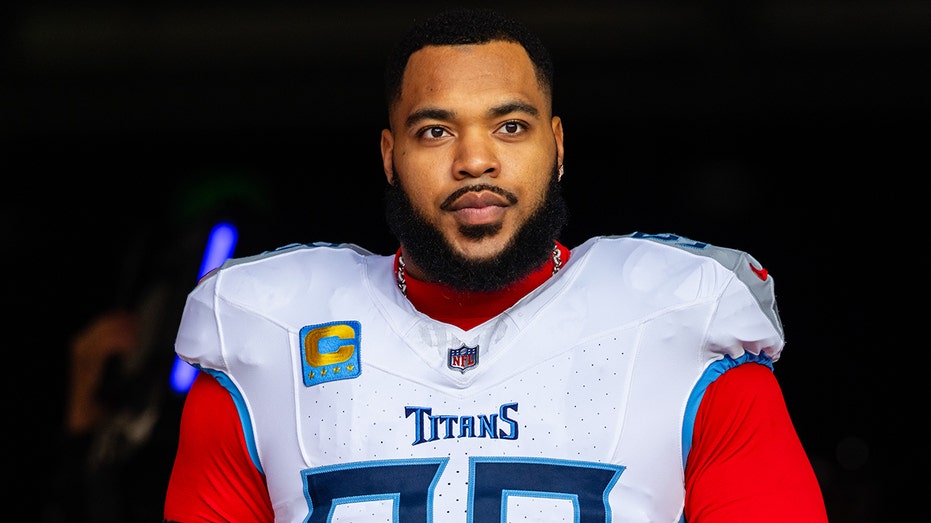
Jeffery Simmons Burglary Exposes a New Criminal Playbook Targeting Pro Athletes

Sarah Johnson
December 16, 2025
Brief
Jeffery Simmons’ home burglary isn’t an isolated crime – it’s part of a growing, data-driven campaign targeting pro athletes. We unpack the organized networks, social media risks, and what leagues must do next.
Jeffery Simmons’ Home Burglary Exposes a Growing Criminal Economy Targeting Pro Athletes
When Tennessee Titans star Jeffery Simmons walked off the field after facing the San Francisco 49ers, he discovered something that’s quietly becoming a structural risk of modern professional sports: while he was on national television, at least six burglars were ransacking his Nashville home.
Simmons’ angry social media response – calling the perpetrators “f---ing cowards” and asking, “What if any of my family members was in my house??” – captured more than personal outrage. It spotlighted a pattern that’s been building for years: organized criminal networks methodically targeting athletes’ homes precisely when they’re most visible and predictably absent.
This isn’t an isolated incident or a random one-off crime. It’s an emerging criminal business model.
Beyond a Single Break-In: The Bigger Pattern
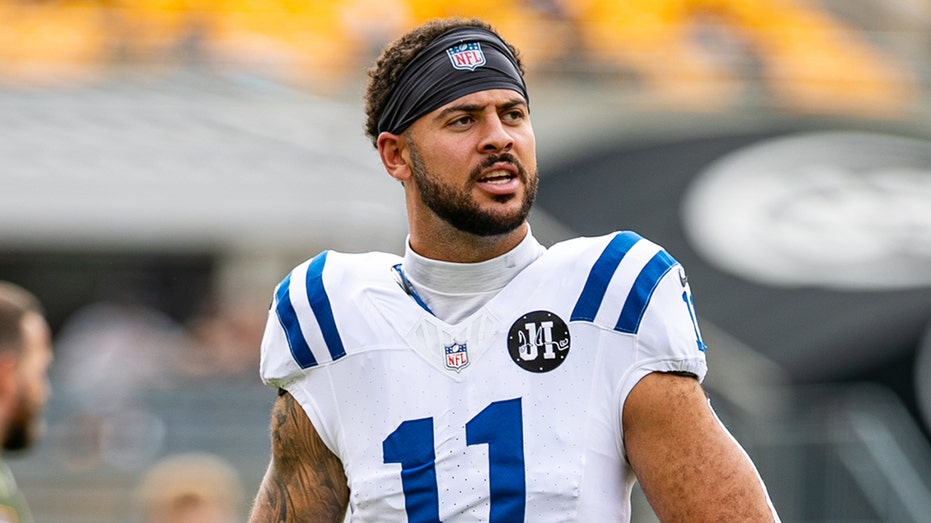
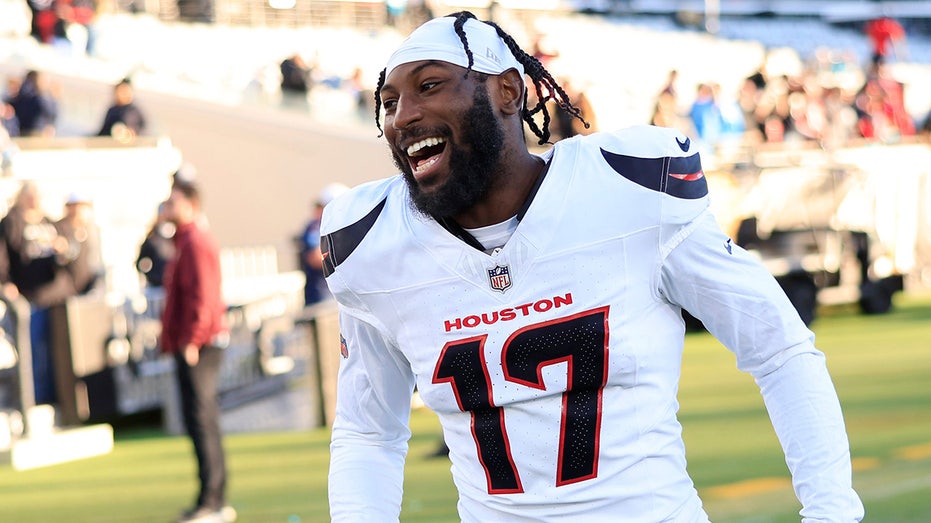
In the last few seasons alone, high-profile players like Patrick Mahomes, Travis Kelce, Joe Burrow, and Shedeur Sanders have all reported burglaries while they were on the field. In several of those cases, law enforcement tied the crimes to a South American theft ring that was specifically targeting NFL and NBA players.
That detail matters: we’re not just talking about opportunistic neighborhood thieves but increasingly professionalized networks that study game schedules, social media, and real-time TV coverage to identify exactly when athletes’ homes will be empty.
The Simmons case fits this evolving template:
- The break-in occurred just after 7 p.m., aligned with kickoff of a nationally broadcast game in California.
- There were multiple suspects, indicating coordination rather than a single impulsive offender.
- Entry came via a smashed window, a fast and aggressive tactic designed for quick in-and-out operations.
Law enforcement has been warning for years that crime is becoming more data-driven. Professional athletes are nearly ideal targets for such operations: their income is public, their schedules are public, and their lives are hyper-documented online.
How Athletes Became Predictable Targets
Historically, celebrities have always attracted thieves. But three shifts over the past 15–20 years have made today’s athletes especially vulnerable:
- Radical transparency of schedules: Game times, travel days, walkthroughs, and media appearances are all public. For regular people, burglars might have to guess when you’re home. For athletes, a quick look at the league schedule or even a team’s X/Twitter feed removes the guesswork.
- Social media overexposure: Players – and sometimes their families – post real-time content from planes, hotels, or locker rooms. That isn’t just fan engagement; to criminals, it’s confirmation the house is empty. Even posts about new jewelry, cars, or home renovations can act as a catalog of high-value targets.
- Big-city migration and luxury clustering: Many players now live in high-end suburban or exurban communities where wealth is concentrated and patrol coverage can be thin relative to the value stored in those neighborhoods. That concentration of wealth makes it easier for organized groups to hit multiple homes in a small geographic area.
The South American theft group previously linked to burglaries of Mahomes, Kelce, and Burrow is part of a broader trend: transient theft crews flying into the U.S., systematically targeting wealthy neighborhoods, then leaving quickly with stolen goods that can be moved across borders.
What This Really Means: Safety, Surveillance, and the Mental Load on Players
Simmons’ core question – “What if any of my family members was in my house??” – reveals the deeper issue the box scores don’t show: the psychological costs of playing in a league where your job inherently makes your family a target.
Several implications follow:
1. The emotional and performance fallout
For players, break-ins aren’t just financial events; they’re violations of what’s supposed to be the safest place in their lives. Research on burglary victims in the general population consistently finds heightened anxiety, sleep disturbance, and even symptoms similar to post-traumatic stress.
In elite sports, where mental focus can be the difference between a roster spot and a release, that psychological burden has direct professional implications. A player worrying about whether their family is safe at home isn’t operating at full capacity on the field.
2. The new security arms race
Teams and leagues have long provided physical security at stadiums and practice facilities. Now, they’re being drawn into a broader expectation: helping protect players’ homes and families away from the field.
Already, we see this in Simmons’ case – he publicly praised both the Metro Nashville Police Department and the Titans’ security team for a swift response. But response is reactive. The real question is how far team and league responsibilities extend into proactive home and digital security for players.
Some franchises have quietly begun offering security audits, vetted home security vendors, and even briefings for players’ partners and family members. That trend is likely to accelerate.
3. Public figures, private risk
Simmons’ post emphasized that the material items don’t matter as much as the threat to his family. That distinction reflects a broader shift in how athletes are thinking about risk: the biggest concern isn’t the jewelry or watches; it’s the possibility that someone might assume the house is empty when it isn’t.
Several recent cases outside football make that fear very real. In multiple European soccer leagues, armed burglars have entered players’ homes while family members were present, sometimes holding them at knifepoint or gunpoint. The U.S. isn’t immune to that escalation.
What the Numbers Suggest
Comprehensive data specific to professional athletes’ home burglaries is limited – neither leagues nor police departments systematically publish those figures – but we can infer patterns from related statistics:
- In major U.S. cities, police reports have flagged increases in “burglary tourism,” where foreign theft crews target wealthy neighborhoods for short, intensive crime sprees.
- Analyses of high-value residential burglary trends show criminals focusing on predictable absences: vacations, work travel, and, in this case, nationally televised games.
- The FBI’s Uniform Crime Reporting data indicates that while overall property crime has declined long-term, high-value, targeted burglaries in affluent areas have become more sophisticated and organized.
For athletes, those macro trends intersect with a unique vulnerability: their absence is not only predictable but broadcast to millions.
What Mainstream Coverage Often Misses
Most reports on the Simmons incident focus on his anger, the details of the break-in, and the fact that he scored a touchdown during the game. That framing reduces the event to personal drama. What’s underexamined are the systemic dimensions:
- Transnational crime: Prior links to South American theft groups suggest multi-country operations, not just local thieves.
- Data exploitation: Criminals are using the same open information streams – social media, live broadcasts, public schedules – that marketers and fans use.
- Labor and workplace safety: The players’ “workplace” (the league) is directly connected to the circumstances that make their homes targets. That raises uncomfortable questions about employer responsibility.
- Privacy trade-offs: The same visibility that drives endorsement deals and TV ratings increases exposure to risk. Athletes are being forced into a calculation: how much of their life can they afford to show?
Expert Perspectives: Security, Labor, and Social Media
Security specialists, player advocates, and digital privacy experts converge on one overarching point: this is not going away on its own.
Home security analyst Dr. Marcus Valdez notes that criminal groups “map” athletes’ routines much like scouts analyze game film. “If you know someone’s income, schedule, neighborhood, and social habits,” he argues, “you’ve already done 70% of the work. Athletes are uniquely exposed on all four fronts.”
From a labor standpoint, player unions have begun to take notice. In other leagues, unions have pushed for dedicated security resources and risk training as part of broader collective bargaining. The NFL Players Association could face pressure to treat off-field security as part of workplace safety – especially for younger players who may lack the resources of superstars to build robust private security infrastructures.
Digital privacy experts emphasize that social media isn’t just a fan engagement tool; it’s a data feed for criminals. Even posts that don’t explicitly show addresses or valuables can reveal patterns – travel days, family routines, even home layouts.
What Needs to Change
Responding case-by-case, as in Simmons’ situation, is necessary but insufficient. The pattern suggests an arms race that demands coordinated solutions:
- League-level protocols: League offices and teams could standardize security briefings, home security subsidies, and vetted vendor lists for all players, not just stars.
- Data hygiene education: Mandatory training on what not to post in real time – especially around travel – could significantly reduce risk. This should extend to family members and close friends, who often post the most revealing content.
- Law enforcement partnerships: Formal liaison roles between leagues and local/federal agencies could help track patterns of traveling theft groups and connect incidents across jurisdictions.
- Discreet technology upgrades: Smarter, less intrusive home security – from advanced cameras and geo-fenced alerts to quiet alarm systems – can provide layers of protection without turning homes into visible fortresses.
Looking Ahead: A Test Case for How Sports Adapt to a More Dangerous World
The Simmons burglary is likely to be remembered not for the specific items stolen – still undisclosed – but for what it represents: the normalization of athletes being targeted while they do their jobs.
Several key questions will shape what happens next:
- Will teams move from offering “support” after the fact to funding preventative security measures as a standard benefit?
- Can leagues and unions collaborate on transparent, non-embarrassing ways for players to seek help securing their homes?
- Will younger players, who’ve lived their entire lives online, be willing – or able – to dial back public sharing for safety reasons?
- How aggressively will law enforcement pursue the transnational dimension of these theft groups, which often rely on rapid exit strategies and international resale channels?
One overlooked implication: as these risks become more visible, they may influence where athletes choose to live, how close they want to be to practice facilities, and whether they cluster in certain “safer” regions. That in turn could subtly reshape local real estate markets and community dynamics around major sports franchises.
The Bottom Line
Jeffery Simmons’ furious response to the burglary of his Nashville home was personal, raw, and justified. But his experience is also structural. As long as professional sports remain a globally televised spectacle with hyper-visible, predictably scheduled stars, athletes’ homes will be attractive targets for organized crime.
The question is no longer whether players will be targeted while they’re on the field. It’s whether leagues, teams, unions, and law enforcement will treat this as a systemic security challenge – not just a string of unfortunate headlines.
Until that happens, every kickoff, tipoff, and first pitch doubles as a quiet alert to the criminal world: the house is empty. Now’s your chance.
Topics
Editor's Comments
One uncomfortable theme in cases like Jeffery Simmons’ burglary is how much the sports economy now depends on a kind of radical transparency that doubles as a security liability. Leagues demand player visibility to justify TV deals, sponsors want ever more intimate access for branded content, and fans expect real-time windows into athletes’ lives. Everyone profits from this openness—until something goes wrong. Yet when that openness makes players’ homes soft targets for organized theft, the burden quietly shifts back onto individual athletes and their families. That asymmetry deserves more scrutiny. If the system is built on constant exposure, then stronger arguments can be made that leagues and ownership groups should share the costs of mitigating the very risks their business model creates, rather than treating each burglary as an isolated “personal” issue.
Like this article? Share it with your friends!
If you find this article interesting, feel free to share it with your friends!
Thank you for your support! Sharing is the greatest encouragement for us.