Beyond the Threats: How Lavrov, Trump, and Zelenskyy Are Quietly Rewriting the Endgame in Ukraine

Sarah Johnson
December 14, 2025
Brief
Lavrov’s threats, Trump’s ambiguity, and Zelenskyy’s reconstruction push reveal a deeper shift: the Ukraine war is becoming a battle over who shapes the peace, who pays, and under what rules.
Lavrov’s Warning, Trump’s Ambiguity, Zelenskyy’s Reconstruction Push: The New Three‑Way Gamble Over Ukraine’s Future
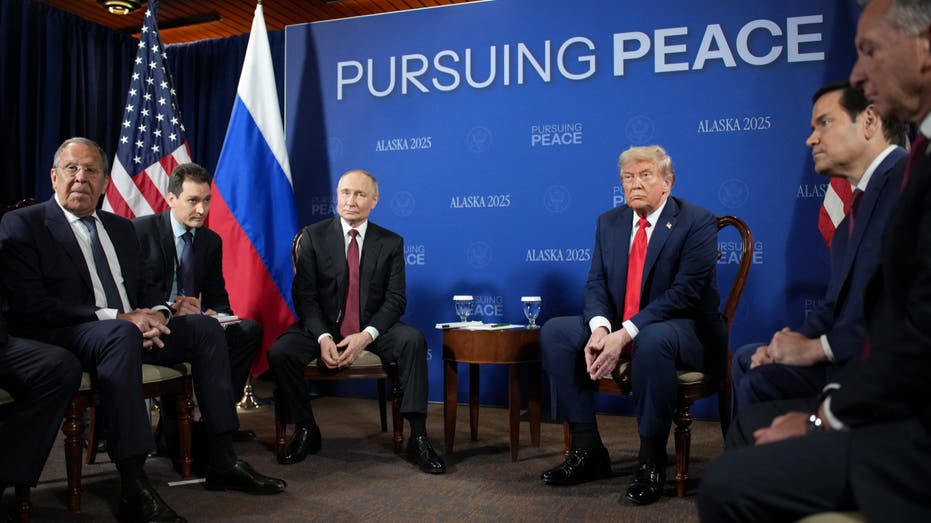
Russia’s foreign minister threatens retaliation if Europe sends troops or seizes Russian assets. Donald Trump signals a desire to spend “no money” on Ukraine while quietly hosting reconstruction talks. Volodymyr Zelenskyy accelerates planning for a postwar economy even as the war grinds on. Behind the headlines is a fundamental shift: the conflict over Ukraine is moving from a battlefield stalemate to a high‑stakes contest over who will shape the peace, who will pay for it, and under what terms.
Why this moment matters
Three developments collide in this story:
- Russia is explicitly threatening Europe over two issues that are central to Ukraine’s survival: potential troop deployments and the use of frozen Russian assets.
- The United States, under Trump, is publicly backing away from funding Ukraine while privately engaging in early reconstruction and security talks.
- Ukraine is racing to codify a 20‑point framework for ending the war and rebuilding the country, betting that it can lock in Western commitments before political winds shift again.
This isn’t just about diplomacy; it’s about who writes the rules of the postwar order in Eastern Europe. And it raises a deeper question: Can a durable peace be built when the major powers disagree not only on outcomes, but even on whether the war should be frozen, ended, or exploited?
The bigger picture: How we got here
Lavrov’s rhetoric on troop deployments and asset seizures sits on top of a decade of escalation between Russia and the West:
- 2014: After the Maidan revolution and the ouster of Viktor Yanukovych, Russia annexed Crimea and backed separatists in eastern Ukraine. Western governments imposed sanctions but avoided direct military confrontation.
- 2014–2021: The war remained “limited” in Western perception—low‑intensity fighting in Donbas, overlapping with attempts at diplomacy under the Minsk agreements. Russia used this period to prepare militarily and economically.
- 2022 full‑scale invasion: The West shifted from sanctions lite to unprecedented financial and military support for Kyiv. By mid‑2024, the EU, U.S., and allies had pledged or delivered well over $300 billion in military, financial, and humanitarian support.
- Frozen assets: Around $260–300 billion in Russian central bank reserves were immobilized in Western jurisdictions. For Moscow, these reserves are strategic leverage; for Kyiv’s allies, they’re increasingly seen as a war‑reparations fund.
Against this backdrop, Trump’s return to the White House introduces a dramatic variable. European leaders had spent two years preparing for the possibility that Washington might reduce aid; now they confront a U.S. president who talks openly about letting “people fight it out” and who frames Ukraine primarily as a burden rather than a strategic line of defense.
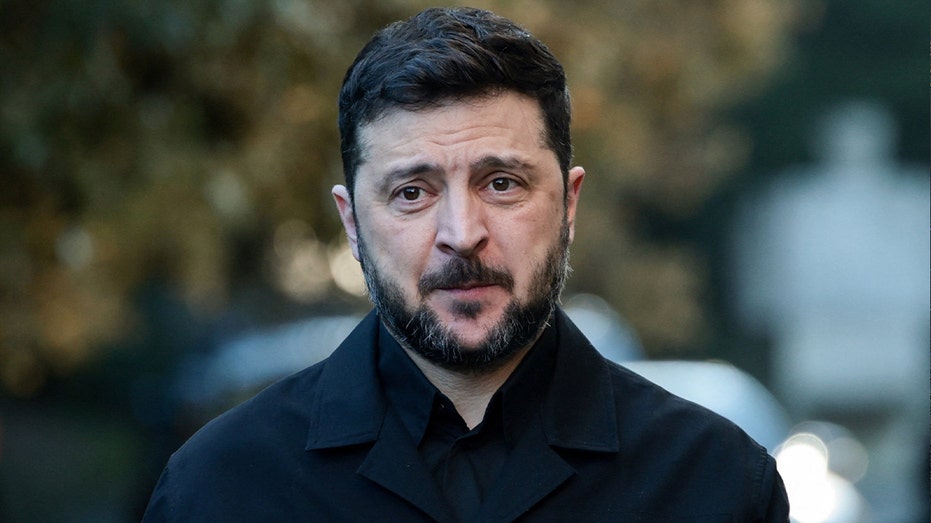
Zelenskyy’s push to formalize a 20‑point plan and to carve out separate security and economic documents with the United States is a direct response to that uncertainty. Ukraine knows it may have a limited window to cement long‑term commitments before U.S. and European politics shift again.
What Lavrov is really signaling to Europe
Lavrov’s warning that Russia will respond to “hostile steps” such as European troop deployments and the expropriation of Russian assets has several layers:
- Deterrence through ambiguity. Russia has long used deliberately vague threats to discourage deeper Western involvement. By not specifying what “retaliation” means, Moscow leaves room for everything from cyberattacks and sabotage to energy disruption or escalation in other theatres (for example, the Baltic Sea or the Middle East).
- Financial red line. The frozen reserves are not just money; they are a symbol of Russia’s remaining integration with the global financial system. If Europe and its allies move from freezing assets to actively transferring them to Ukraine, it sets a precedent that terrifies other authoritarian regimes with offshore holdings—and it pressures Moscow to respond to avoid looking powerless.
- Divide‑and‑rule strategy. By praising Trump’s “approach” while attacking Europe, Lavrov is trying to drive a wedge between Washington and Brussels. The message to Trump is implicit: you understand us better than Europe does; don’t follow their lead on assets and troops.
Historically, Russia has responded asymmetrically when it felt cornered financially. After earlier sanctions rounds, we saw increased cyber intrusions against Western banks, disinformation campaigns, and use of energy as a weapon. Lavrov’s language suggests a similar playbook, potentially upgraded for a more fragile European security environment.
Trump’s ‘no money’ line vs. quiet engagement
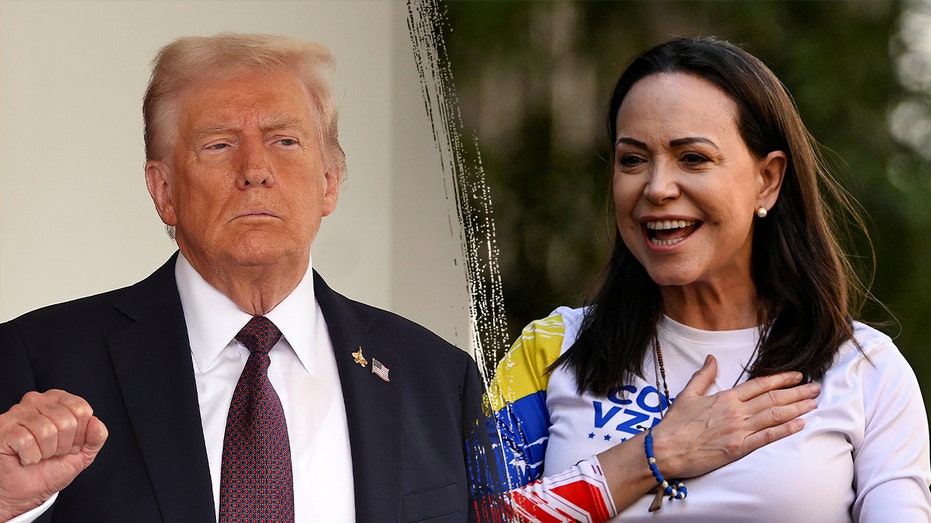
Trump’s public comments—“we’re not spending any money in Ukraine,” and musings about letting “people fight it out”—sound like a near‑total disengagement. But they sit awkwardly alongside Zelenskyy’s announcement of “the first meeting of the group that will work on a document concerning the reconstruction and economic recovery of Ukraine” with senior Trump officials.
This contradiction highlights three dynamics:
- Domestic politics vs. foreign policy reality. At home, portraying Ukraine as a money pit plays well with voters exhausted by foreign wars and inflation. Internationally, the U.S. still has profound strategic interests in preventing a Russian victory that would fracture NATO and embolden China.
- From direct aid to deal‑making. Trump is signaling a shift from open‑ended budget support to a more transactional approach: fewer grants, more loans, guarantees, and private investment structured as business deals. Reconstruction talks are likely to focus on U.S. firms gaining access to infrastructure, energy, and defense contracts.
- Personal diplomacy as leverage. By keeping the door open to Zelenskyy privately while projecting distance publicly, Trump retains leverage over both Ukraine and Europe. He can pressure Kyiv on concessions and simultaneously press European allies to shoulder more of the financial burden.
For Ukraine, this duality is both a risk and an opportunity: Washington may provide fewer budgetary lifelines, but a U.S.‑backed reconstruction framework—especially if tied to security guarantees—could anchor Western engagement long after the shooting stops.
Zelenskyy’s 20‑point plan: Designing peace before there is one
Zelenskyy’s emphasis on the “20 points for ending the war” as a “fundamental document” reflects a strategic shift. Kyiv is no longer just fighting to survive; it is trying to shape the architecture of a future settlement and the economic model that follows.
Several elements stand out:
- Linking security to economics. Zelenskyy explicitly notes that overall security will determine economic security and a safe business environment. That translates into a core demand: any reconstruction deal must be backed by credible U.S. and European security guarantees, or private investors will stay away.
- Multiple documents, multiple audiences. Splitting the framework into at least two documents—one on security guarantees with the U.S., another on reconstruction and joint investment—allows Ukraine to tailor messages. Security text will be designed for politicians and defense communities; the economic text for investors, development banks, and corporate partners.
- No territorial concessions—yet more flexible language elsewhere. Kyiv continues to reject formal territorial concessions. But the language about “doable” steps and updates to the framework suggests a quiet recognition that the endgame may involve de facto compromises (such as demilitarized zones, long‑term negotiations over status, or phased sanctions relief) even if de jure recognition of Russian gains remains off the table.
Historically, successful postwar reconstruction efforts—from Europe’s Marshall Plan to Bosnia’s post‑Dayton rebuilding—were locked in early, often before full political stabilization. Ukraine is attempting the same, but under far more fluid military and geopolitical conditions.
What mainstream coverage tends to miss
Most daily coverage focuses on the immediate drama: Russia’s threats, Trump’s remarks, Zelenskyy’s statements. What’s often missing are three deeper structural shifts this episode reveals.
1. The weaponization of sovereign assets is a systemic break
Using frozen Russian reserves for Ukraine’s reconstruction would be a turning point in international finance. For decades, central bank reserves—especially in dollars and euros—were treated as sacrosanct. Even during intense Cold War confrontations, both sides skirted direct expropriation at scale.
If Europe and the U.S. move ahead, several consequences follow:
- Authoritarian states may accelerate diversification away from Western currencies and institutions.
- Western dominance of the global financial system could erode faster, as alternatives—however imperfect, like Chinese yuan structures or regional payment systems—gain appeal.
- Future sanctions will be both more feared and more politically contested, since they’ll be seen not just as freezing assets but potentially transferring them.
2. Europe’s strategic autonomy test
Lavrov’s threats land at a moment when Europe is struggling to prove it can act independently of Washington.
Key tensions:
- Security dependency: NATO still relies heavily on U.S. capabilities. The idea of European troops in Ukraine is politically explosive and militarily complex. Yet, as Trump questions U.S. spending, Europe is under pressure to step up.
- Economic exposure: European economies are more vulnerable than the U.S. to Russian retaliation via energy, cyberattacks, and hybrid operations. That makes decisions on asset seizures and troop involvement more fraught.
- Internal divisions: Eastern European states (Poland, Baltics) tend to favor a tougher line against Moscow, while some Western European countries remain cautious—often for domestic political reasons and industrial exposure.
How Europe handles the asset question and any discussion of troop deployments will be a litmus test for its much‑discussed but rarely realized “strategic autonomy.”
3. Ukraine’s pivot from aid recipient to investment project
Zelenskyy’s framing of reconstruction as “joint investment” shows an intent to recast Ukraine not as a permanent ward of the West but as a high‑risk, high‑potential frontier market.
That model comes with pros and cons:
- Pros: Potentially large inflows of private capital; incentive for Western companies and funds to lobby their governments to protect Ukrainian stability; greater innovation and modernization in infrastructure and energy.
- Cons: Risk of oligarch capture, corruption, and unequal bargaining power between a war‑damaged state and multinational corporations; public backlash if reconstruction is seen as a carve‑up of assets by foreign investors.
The tension between Ukraine’s need for capital and its desire to retain sovereignty over key sectors will shape reconstruction politics for years.
Expert perspectives
Several experts have been warning about precisely the dynamics now on display.
On the financial front, former IMF economist Maurice Obstfeld has argued that large‑scale confiscation of reserves “would be a watershed in the weaponization of finance,” potentially accelerating a fragmented monetary system. Security analysts like former NATO commander Wesley Clark have warned that even limited Western troop deployments—trainers, de‑mining units, air defense operators—could become flashpoints if Russia chooses to target them, intentionally or by “accident.”
Meanwhile, reconstruction experts point to historical analogies. Postwar Bosnia saw billions in aid but chronic governance problems because external funding wasn’t paired with deep institutional reform. Ukraine, which ranked poorly in pre‑war corruption indices, will need far stronger safeguards if it’s to avoid a repeat—especially if Trump’s team pushes for large‑scale private deals rather than transparency‑focused development programs.
Looking ahead: What to watch
The immediate path forward hinges on five evolving questions:
- Will Europe cross the asset Rubicon? If the EU or G7 formally approve using frozen Russian assets as collateral or direct financing for Ukraine, expect legal challenges, Russian countermeasures, and intense debate among non‑aligned states watching how the West treats sovereign wealth.
- How far will U.S. disengagement go? Trump’s rhetoric may or may not translate into cuts in intelligence sharing, arms transfers, or training. A shift from grants to loans and guarantees is likely; a full pullback from security support is far less so—but even partial reductions could alter battlefield dynamics.
- Can Zelenskyy lock in security guarantees? Without credible U.S. or NATO‑backed guarantees, Ukraine’s reconstruction plan is built on sand. Formal NATO membership may remain off the table, but a bilateral U.S.–Ukraine security pact with defined commitments (air defense, training, intelligence) could be a politically more viable compromise.
- Will Russia escalate beyond Ukraine? If Moscow judges that the West has crossed a line—particularly on assets—it may look for pressure points elsewhere: cyberattacks on financial infrastructure, destabilization efforts in Moldova or the Balkans, or deeper coordination with Iran and North Korea.
- How will global South states respond? Countries in Africa, Asia, and Latin America, many of which hold reserves and investments in Western jurisdictions, are watching asset seizure debates closely. Their reactions will influence future alignments and the credibility of Western financial institutions.
The bottom line
This isn’t just another round of statements from Moscow, Washington, and Kyiv. Lavrov’s threats, Trump’s mixed messages, and Zelenskyy’s reconstruction push together mark a transition phase in the war: from a focus purely on the frontline to an increasingly intense battle over who defines the endgame.
Europe faces a fateful decision over whether to weaponize Russia’s frozen assets and risk financial precedents that may haunt it later. The United States is trying to reconcile a president skeptical of foreign entanglements with deep structural interests in preventing a Russian victory. Ukraine, caught in the middle, is trying to turn itself from a charity case into an investable, secure partner before political patience in the West runs out.
How these three gambles intersect will determine not only Ukraine’s fate, but the rules of conflict, finance, and reconstruction in the 21st century.
Topics
Editor's Comments
One underappreciated dimension of this story is how much it reveals about the future of war financing and accountability. For decades, the implicit bargain was that states could wage aggressive wars and, as long as they avoided total defeat, keep their reserves and core financial assets largely intact. That norm is now being tested in real time. If Russia’s frozen reserves are redirected to Ukraine, it doesn’t just punish Moscow; it recalibrates the risk calculus for any state contemplating large-scale aggression while relying on Western financial infrastructure. Yet there is a tension: the same move that strengthens deterrence against future aggressors could weaken confidence in dollar and euro assets for many non-Western governments, some of which are already uneasy about Western sanctions power. Policymakers are effectively deciding whether to sacrifice some degree of financial hegemony to enforce accountability for war. That tradeoff is rarely spelled out in public debate, but it will shape not only the outcome in Ukraine, but the contours of the international order that follows.
Like this article? Share it with your friends!
If you find this article interesting, feel free to share it with your friends!
Thank you for your support! Sharing is the greatest encouragement for us.