Meghan Markle, Her Ailing Father, and the Weaponization of Family in Celebrity Branding

Sarah Johnson
December 11, 2025
Brief
An in-depth look at how Meghan Markle’s estrangement from her ailing father exposes the risks of “family values” branding, tabloid economics, and the gendered politics of compassion in modern celebrity culture.
Meghan Markle, Her Ailing Father, and the Weaponization of “Family Values” in Celebrity Branding
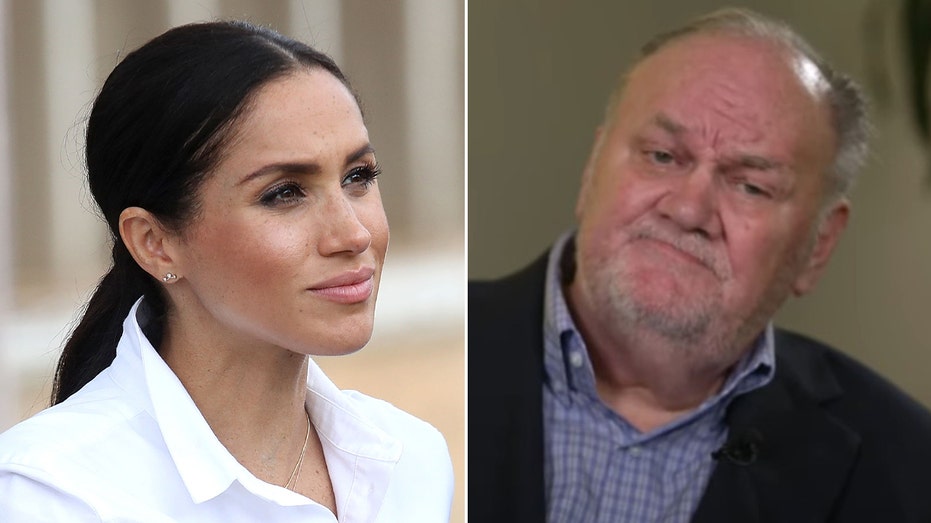
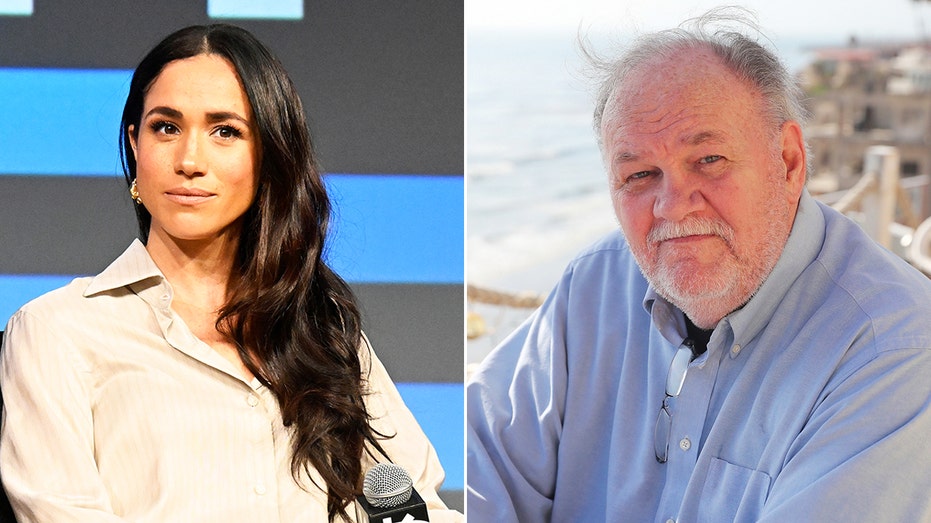
Meghan Markle’s estrangement from her father, Thomas Markle, is once again being framed as an existential threat to her Hollywood brand. But the real story here isn’t a simple morality play about an ungrateful daughter and a suffering father. It’s about how modern celebrity brands are built on the language of intimacy and compassion while operating inside a ruthless media marketplace that monetizes private pain.
This latest chapter – Thomas Markle’s leg amputation, his public appeals from a hospital bed in the Philippines, Meghan’s difficulty contacting him, and the timing with her family-centered Netflix holiday special – illuminates three deeper dynamics:
- How “family values” have become a core asset and vulnerability in celebrity branding
- How an aggressive tabloid ecosystem turns estrangement into a permanent narrative trap
- How Meghan and Harry’s post-royal business model depends on a type of authenticity that is almost impossible to sustain under ongoing family warfare
The Bigger Picture: Estrangement as a Public Spectacle
Family estrangement is not rare – studies suggest roughly 1 in 4 Americans experience estrangement from a relative at some point, and researchers increasingly describe it as a public health issue linked to stress, depression, and social isolation. What is rare is seeing that estrangement televised, litigated in tabloids, and converted into a global content stream.
Meghan and Thomas Markle’s rupture dates back to 2018, when he staged paparazzi photos ahead of her royal wedding and later shared parts of her private letter with the press. For most families, such betrayals would be processed quietly, with anger, therapy, or silence. For the Markles, every development has been intermediated through tabloids, long-form interviews, and now, royal commentators.
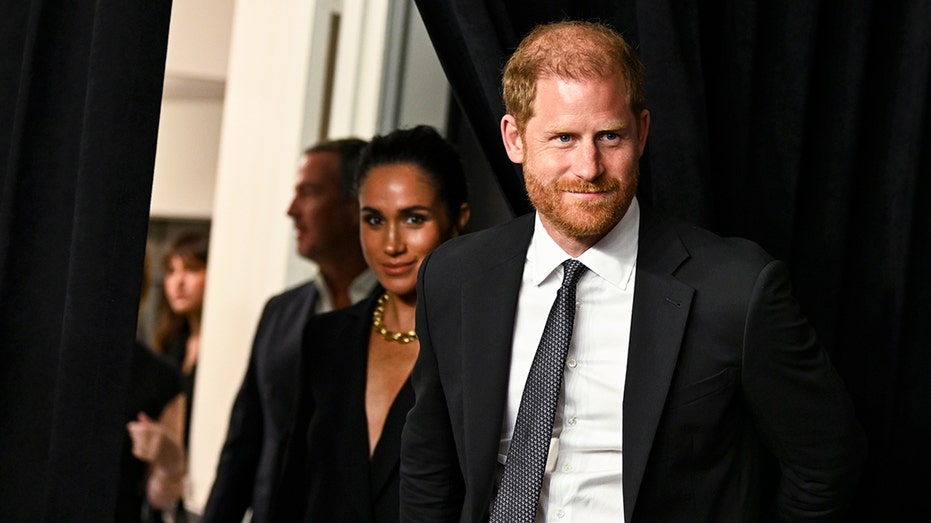
This is not accidental; it reflects a broader shift in the celebrity economy. Since the 2000s, reality television and social media have rewarded stars who turn their personal lives into a serialized narrative. The Sussexes themselves have participated in this model – through their Oprah interview, Netflix docuseries, and Harry’s memoir – arguing that their willingness to speak openly about trauma, racism, and mental health is part of their value proposition.
Thomas Markle is effectively playing a lower-budget version of the same game. He has very few tools: his story, his proximity to a global celebrity, and a media environment ready to pay for pre-packaged drama. His choice to speak to a tabloid reporter from his hospital bed is ethically fraught, but structurally predictable. When access to one’s child is blocked and the only people reliably returning calls are reporters, the incentive to keep talking to them is powerful.
What This Really Means for Meghan’s Brand
Analysts quoted in the story warn that Meghan’s “wholesome, family-oriented” branding in her Netflix holiday special and As Ever lifestyle line is undermined by her estrangement from her father. That critique taps into a real tension: celebrity brands now sell not just products but values – kindness, authenticity, healing, family – and audiences are increasingly attuned to perceived hypocrisy.
However, the narrative that her entire Hollywood brand might “collapse” if she does not publicly reconcile with her father is overstated and somewhat gendered. Male celebrities routinely maintain private family fractures without being told their business ventures depend on public forgiveness scenes. Women, especially those framing themselves as mothers and nurturers, are judged more harshly when they set hard boundaries with parents or siblings.
Still, there are three specific risks for Meghan:
- Brand–Narrative Mismatch: Her on-screen persona emphasizes healing, community, and multigenerational warmth. When her father begs from a hospital bed not to “die estranged,” the contrast is emotionally jarring for some viewers, even if her reasons for distance are valid.
- Perception of Selective Compassion: Meghan and Harry’s work with Invictus and mental health charities depends on the idea that they deeply understand and empathize with pain. Commentators will continue to ask: how can they show public compassion for strangers but not (apparently) a private compassion for her father? That framing is simplistic, but potent.
- Fatigue in the Hollywood Market: Insiders already whisper about “Sussex fatigue” – a sense that their story is overexposed. Recycled coverage of family estrangement, without any visible evolution, feeds the sense that the couple is trapped in their own origin story.
Yet there’s another side to this: research on domestic estrangement shows that maintaining no contact with a family member who repeatedly violates trust can be a healthy boundary, not a moral failing. If Meghan publicly folded in the face of pressure – especially from the very media ecosystem she blames for much of her trauma – she could also be criticized for inconsistency with her long-stated stance on privacy and tabloid exploitation.
The Media Machine: Ethics, Incentives, and Selective Outrage
One under-discussed element in the story is Meghan’s spokesperson’s claim that a tabloid reporter has been “at her father’s bedside throughout, broadcasting each interaction and breaching clear ethical boundaries,” making private contact difficult. That detail matters because it reveals how much control third parties now have over the narrative – and over any chance of genuine reconciliation.
Health privacy norms, including HIPAA in the U.S. and comparable frameworks elsewhere, are built on the idea that individuals in medical crises are uniquely vulnerable. Yet when the patient is related to a celebrity, those vulnerabilities can be monetized: photos in intensive care, quotes from bedside, and emotional appeals turned into page views.
The ethical asymmetry is stark. Meghan has been criticized for giving high-profile interviews and a Netflix series about her family conflict. But her father’s repeated media engagements – including releasing private correspondence – are often framed as pitiable or understandable. The narrative rarely asks: who is paying him, who is staging these scenes, and who profits when reconciliation fails?
This is where comparisons to Harry’s public disclosures are revealing. Both father and son have commodified family pain. The difference is control and purpose: Harry ties his stories to a broader critique of the monarchy and tabloid culture; Thomas’s interviews tend to focus on his personal hurt and Meghan’s alleged ingratitude. For audiences, both can feel exploitative. For brands, both can become liabilities when overused.
Expert Perspectives: Boundaries vs. Brand Management
Scholarship and clinical practice around family estrangement offer a useful counterweight to the simplistic “just forgive him” commentary.
- Psychologist Dr. Karl Pillemer, who has studied estrangement extensively, has found that adult children often cut off parents after repeated boundary violations, not single incidents. Reconciliation, when it happens, is usually slow, private, and conditional on changed behavior – not triggered by public pressure.
- Family therapist Dr. Nedra Glover Tawwab emphasizes that setting limits with parents can be an act of self-preservation, particularly when there is ongoing betrayal or public shaming. She notes that “he’s still your father” is frequently used to override legitimate pain.
- Media scholars point out that in celebrity cases, reconciliation itself can be co-opted as content. If Meghan were filmed visiting her father in the hospital, critics would likely accuse her of using his illness as a PR maneuver.
These perspectives suggest that the most ethical approach may be the least visible one: private contact, through intermediaries if necessary, with no cameras and no press access. The revelation that Meghan ultimately relied on “reliable and trusted contacts” to deliver a letter is consistent with that logic, even if it doesn’t satisfy audiences seeking a cinematic reunion.
Data & Evidence: The Economics of Compassion
To understand the stakes, it helps to look at the numbers and patterns behind the emotional language:
- Influence and income: Major celebrity lifestyle brands (from GOOP to The Honest Company) are valued in the hundreds of millions of dollars, largely because they convert personal narratives into consumer trust. Even a modestly successful brand tied to Meghan’s global recognition has significant financial upside.
- Trust and hypocrisy: Surveys repeatedly show consumers rate “authenticity” and “values alignment” as top reasons for engaging with celebrity-led brands. When a narrative of compassion is perceived as one-sided or performative, engagement and spending can drop.
- Public sympathy and illness: Social psychology research indicates that public empathy often spikes when a family member is visibly ill or disabled – which is exactly the narrative frame around Thomas Markle’s amputation and prior stroke. That context makes any continued estrangement harder to explain in simple soundbites.
In other words, this is not just a family drama; it’s a case study in how emotional narratives are capitalized and contested in a media economy that collapses the personal and the commercial.
Looking Ahead: Three Scenarios
Several trajectories are plausible over the next 6–12 months:
- Quiet, Limited Contact
Meghan continues to avoid public reconciliation while facilitating private communication – letters, phone calls via intermediaries, possibly a discreet visit. This approach is most consistent with her privacy stance but does little to blunt tabloid narratives. It may, however, protect her mental health and her children’s. - Public Gesture of Compassion
Under ongoing media pressure and brand calculations, Meghan might opt for a visible, controlled act: a visit that is acknowledged but not filmed, or a carefully worded statement about loving her father but needing boundaries. This could soften criticism but risks being dismissed as performative. - Entrenched Estrangement
The current pattern hardens: Thomas continues speaking to the press; Meghan maintains distance. As he ages and his health declines, the optics for her become more challenging, but so does the prospect of starting over after years of public antagonism.
In all scenarios, one constant remains: the media’s incentive to keep the conflict alive. Each new health scare, project launch, or royal development will be reinterpreted through the lens of “Meghan vs. her father” unless both sides stop feeding the machine.
The Bottom Line
Meghan Markle’s brand is unlikely to collapse solely because she maintains distance from an ailing father who has repeatedly cooperated with tabloids. But the gap between her marketed image of warmth and healing, and the unresolved, public nature of her family rupture, is a genuine vulnerability.
This story is less about whether she is a good daughter and more about how we expect women in the public eye to perform reconciliation for our consumption; how tabloid economics monetize illness, regret, and estrangement; and how difficult it is to build a “compassion brand” when your real life is still bleeding in the public square.
Ultimately, the only reconciliation that truly matters will not be broadcast. If Meghan can maintain her boundaries while finding humane, private ways to acknowledge her father’s condition – and if he can stop selling his pain to the highest bidder – both might reclaim a measure of dignity in a system designed to strip it away.
Topics
Editor's Comments
What’s striking in this episode is how thoroughly the language of morality has been grafted onto what is, at its core, a set of business decisions and media incentives. Commentators warn that Meghan’s brand may suffer if she does not demonstrate visible compassion toward her father, yet few ask why a man in intensive care is giving interviews through a tabloid pipeline or why an outlet is comfortable stationing a reporter at his bedside. The moral scrutiny is concentrated almost entirely on the daughter, not the ecosystem banking his pain. There’s also a gender element the coverage mostly ignores: women who trade on nurturing imagery are policed far more aggressively for their private choices than male celebrities whose family fractures remain background noise. It’s plausible that a controlled, public gesture toward reconciliation would help Meghan in the short term, but it would also feed the very machine she and Harry claim to be resisting. The more interesting long-term question is not whether she forgives her father, but whether any public figure can build a “compassion brand” in a media environment that profits from keeping their real-life wounds perpetually open.
Like this article? Share it with your friends!
If you find this article interesting, feel free to share it with your friends!
Thank you for your support! Sharing is the greatest encouragement for us.