Pope Leo XIV’s Middle East Pilgrimage: A Strategic Quest for Religious Unity and Peace

Sarah Johnson
December 3, 2025
Brief
An in-depth analysis of Pope Leo XIV's pilgrimage to Turkey and Lebanon reveals the Vatican’s intricate diplomatic efforts to foster interfaith unity and peace amid Middle East tensions.
Opening Analysis
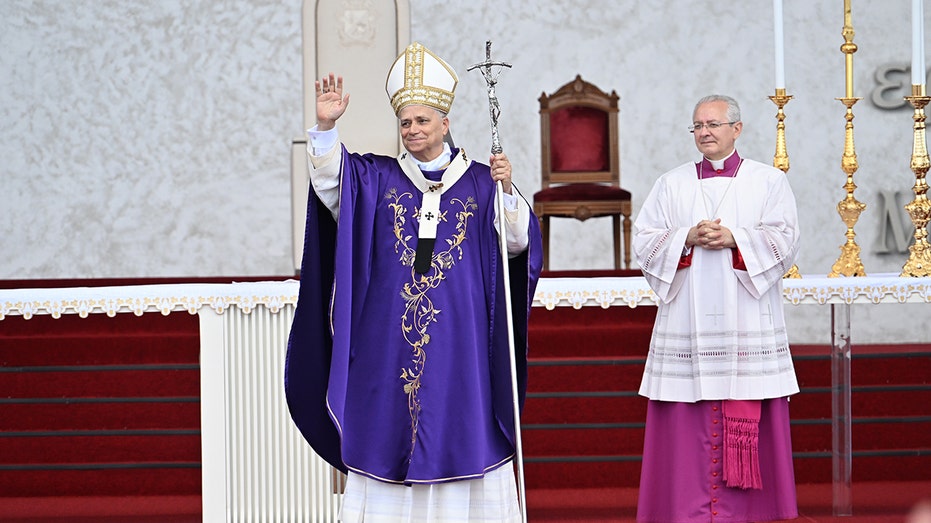
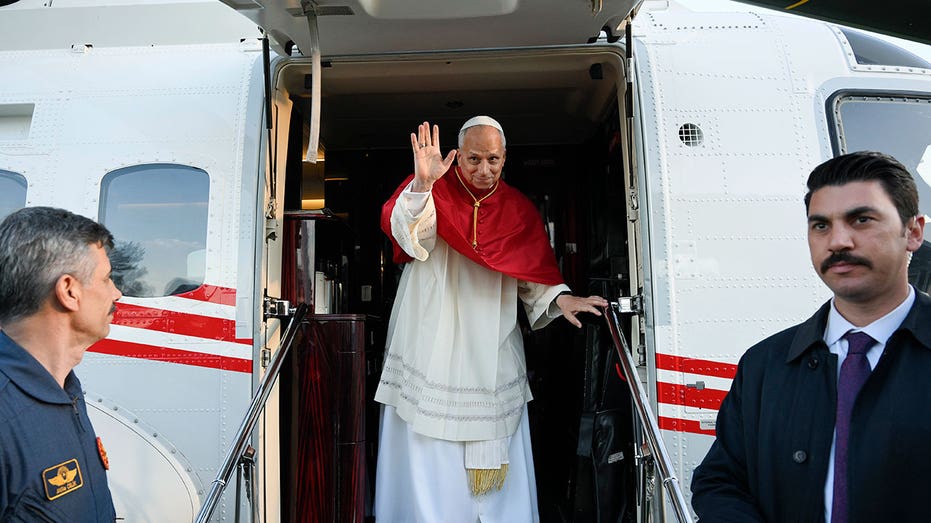
This report on Pope Leo XIV’s pilgrimage to Turkey and Lebanon goes beyond a simple travelogue, offering a profound glimpse into the Vatican’s delicate diplomatic and spiritual engagement with the Middle East amid regional tensions. The pope’s visit to historically significant Christian sites, interactions with diverse religious leaders, and emphasis on peace reflect an intricate balancing act: maintaining Christian unity, acknowledging the legacy of historical wounds, and promoting interfaith dialogue in a region scarred by sectarian conflict and political instability. This journey, early in his papacy, symbolizes the Vatican’s broader strategy of soft power diplomacy aiming not just for religious reconciliation but also for addressing wider socio-political fractures.
The Bigger Picture
Christianity’s footprints in modern Turkey trace back millennia, yet the region’s Christian population has dramatically diminished over the last century. Following the Armenian Genocide and population exchanges during and after World War I, the Christian demographic shrank to a minute minority (approximately 0.2%) of Turkey’s overwhelmingly Sunni Muslim population of 85 million. This context underscores the symbolic weight of the pope’s Mass in Istanbul and his participation in the 1,700th anniversary of the Council of Nicaea—a foundational event in defining Christian orthodoxy.
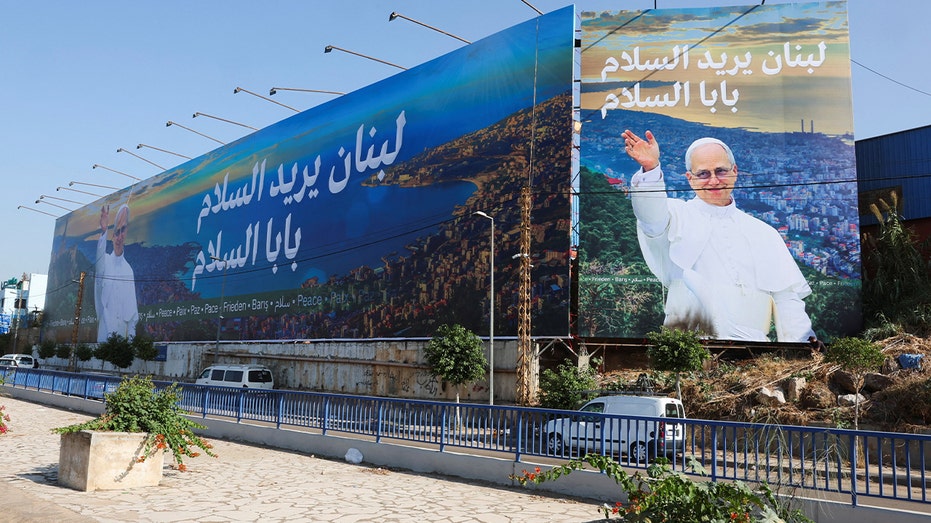
The Middle East itself has long been a hotspot for religious and ethnic tensions, with Lebanon exemplifying these complexities. Pope Leo’s next stop at Lebanon, amid economic collapse and security concerns, signals a Vatican effort not only to support local Christians but also to advocate for stability within a fractured socio-political landscape marked by sectarian divisions and external geopolitical pressures.
What This Really Means
The pope’s repeated emphasis on unity—both between Christian denominations (Catholic, Orthodox, Armenian Apostolic) and between religions (Christianity, Islam, Judaism)—signals a deliberate attempt to rebuild bridges in an area too often defined by conflict and mistrust. His approach, combining symbolic gestures (visits to mosques and joint declarations with Orthodox patriarchs) with carefully crafted rhetoric on peace and shared humanity, suggests a Vatican pivot toward interfaith dialogue as a tool for conflict prevention.
However, this mission is fraught with challenges. The exclusion of Mehmet Ali Agca—known for his assassination attempt on Pope John Paul II—reveals underlying tensions and unresolved historical grievances. Furthermore, the nuanced handling of the Blue Mosque visit, where no formal prayer was conducted, reveals the Vatican's sensitivity toward Muslim partners wary of theological implications.
These actions together portray Pope Leo as a leader striving not only to mend intra-Christian divides but also to create a more inclusive vision of peace that acknowledges religious pluralism without diluting core Catholic principles—a complex dance in a region where religion is intertwined with identity and politics.
Expert Perspectives
Dr. Asma Afsaruddin, Professor of Islamic Studies at Indiana University, notes, "The pope’s silent reflection in the Blue Mosque reflects a diplomatic sensitivity crucial for de-escalating religious tensions in Turkey and beyond. It shows respect without crossing theological boundaries that historically have sparked conflict."
Cardinal Michael Fitzgerald, a key figure in Vatican diplomacy in the Middle East, highlights the importance of the Council of Nicaea anniversary: "Commemorating Nicaea signals a return to foundational Christian unity principles amidst modern fractures, reinforcing a shared heritage that transcends today's sectarianism."
Dr. Riad Kahwaji, security analyst and Middle East expert, warns, "As Lebanon battles economic collapse and political instability, the pope’s visit places the spotlight on how religious leadership can influence—not just spiritual morale—but also civil society cohesion. But the road ahead remains precarious with entrenched factional interests."
Data & Evidence
- Christian population in Turkey today: ~0.2% (approx. 170,000 people in a population of 85 million), down from a once sizable community largely wiped out during WWI and its aftermath.
- Lebanon's economic crisis: The World Bank labeled Lebanon’s economic collapse among the worst since the mid-19th century, with GDP contraction of over 20% between 2019-2024, fueling social unrest that complicates any peace-building efforts.
- Interfaith incidents: Between 2010-2024, incidents of religiously motivated violence in Turkey and Lebanon have fluctuated but show a consistent risk, underscoring the fragility of interreligious coexistence.
Looking Ahead
The key question is how Pope Leo’s early diplomatic efforts will translate into lasting effects. Will this pilgrimage strengthen Christian minority resilience in Turkey and Lebanon or remain largely symbolic? The Vatican will likely leverage its soft power by supporting humanitarian aid and advancing interfaith collaboration initiatives, but progress will be slow amid geopolitical volatility.
Monitoring reactions from Muslim leaders and political factions in Turkey and Lebanon offers insight into how sustainable the pope’s inclusive message is. Additionally, the pope’s approach may become a blueprint for Vatican engagement in other conflict zones fraught with religious divides, such as Syria or Iraq.
The Bottom Line
Pope Leo XIV’s Middle East pilgrimage is a microcosm of the Vatican’s broader strategy of fostering peace through interfaith respect and historical reconciliation. Navigating centuries of trauma, theological differences, and political tensions, this journey balances symbolic acts with substantive dialogue—embodying a hopeful, though challenging, path for religious coexistence in the 21st century.
Topics
Editor's Comments
This coverage of Pope Leo XIV’s pilgrimage reveals how the Vatican is navigating a complex intersection of theology, history, and geopolitics. The Middle East, long marked by sectarian strife and competing nationalisms, presents a unique challenge for any religious leader advocating peace. The pope’s symbolic acts—such as commemorating the Council of Nicaea, engaging with Orthodox and Jewish leaders, and visiting Muslim holy sites—signal an evolving papal diplomacy that prioritizes inclusion without compromising core identity. However, the inclusion of intense security concerns and economic crises, especially in Lebanon, invites us to consider the limits of spiritual diplomacy in the face of enduring structural problems. This pilgrimage sets a tone for future Vatican strategies but must be viewed with cautious optimism given the entrenched nature of regional conflicts. It raises important questions about the tangible impacts religious figures can have on political realities, and where symbolic gestures intersect with material change.
Like this article? Share it with your friends!
If you find this article interesting, feel free to share it with your friends!
Thank you for your support! Sharing is the greatest encouragement for us.