Senator Mark Warner’s Military Remarks Reveal Deepening Civil-Military Strains and Constitutional Risks

Sarah Johnson
December 4, 2025
Brief
An in-depth analysis of Senator Warner’s suggestion that the military could act as a check against President Trump, exploring historical context, civil-military relations, and implications for American democracy.
Why Senator Warner’s Call to the Military Matters More Than It Seems
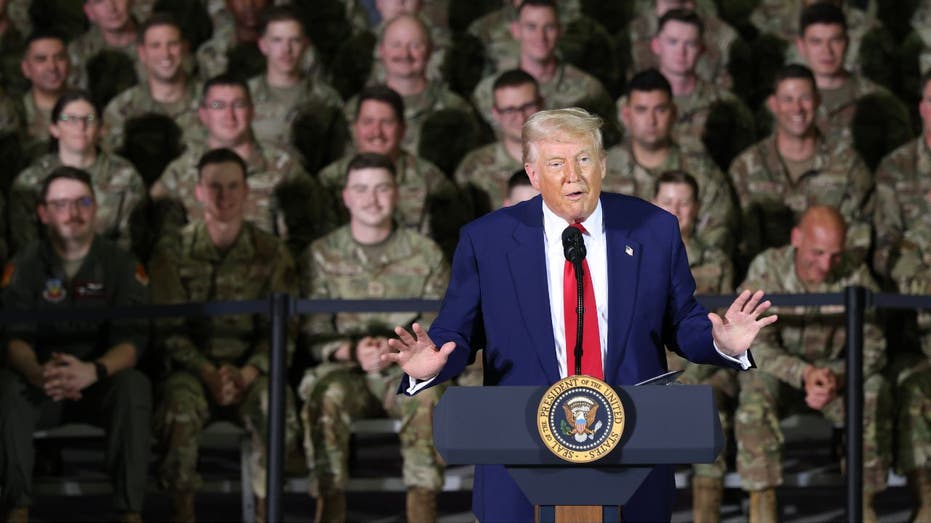
Senator Mark Warner’s recent remarks suggesting that the uniformed military might "help save us" from President Donald Trump reveal a profound fissure in American political and institutional trust. This is not merely partisan rhetoric but a symptom of a deeper constitutional and civil-military tension that merits serious analysis. Warner’s statements, echoing similar calls from other Democrats, underscore lingering anxieties about the executive’s use of military power and the military’s evolving role as a potential constitutional check within U.S. governance.
The Bigger Picture: Civil-Military Relations in Historical Context
The notion of the U.S. military as a safeguard against executive overreach is fraught with historical complexity. Traditionally, American civil-military relations have emphasized firm civilian control over the military. The founders explicitly designed the presidency as commander-in-chief to avoid both military dictatorship and unchecked executive power. Instances where the military has been positioned to "save" the country from elected leaders are extraordinarily rare and viewed with caution globally, often associated with authoritarian coups rather than democratic resilience.
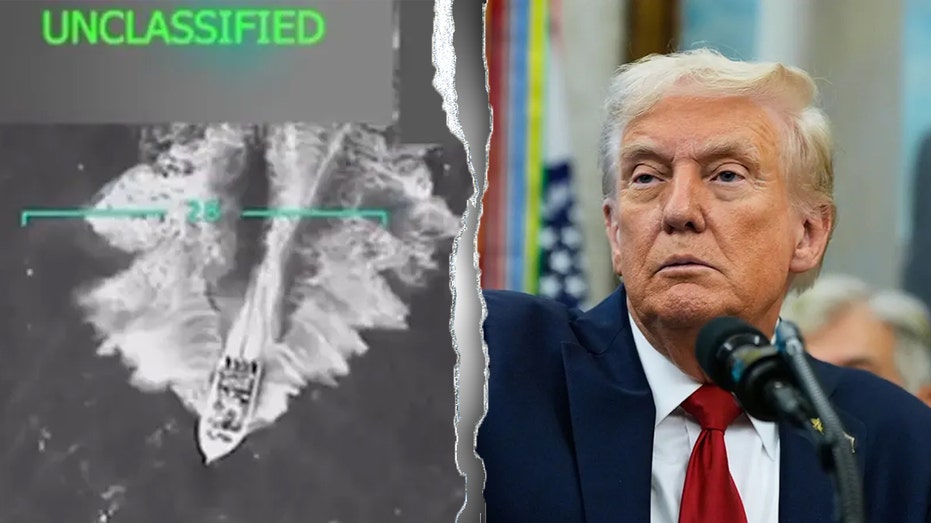
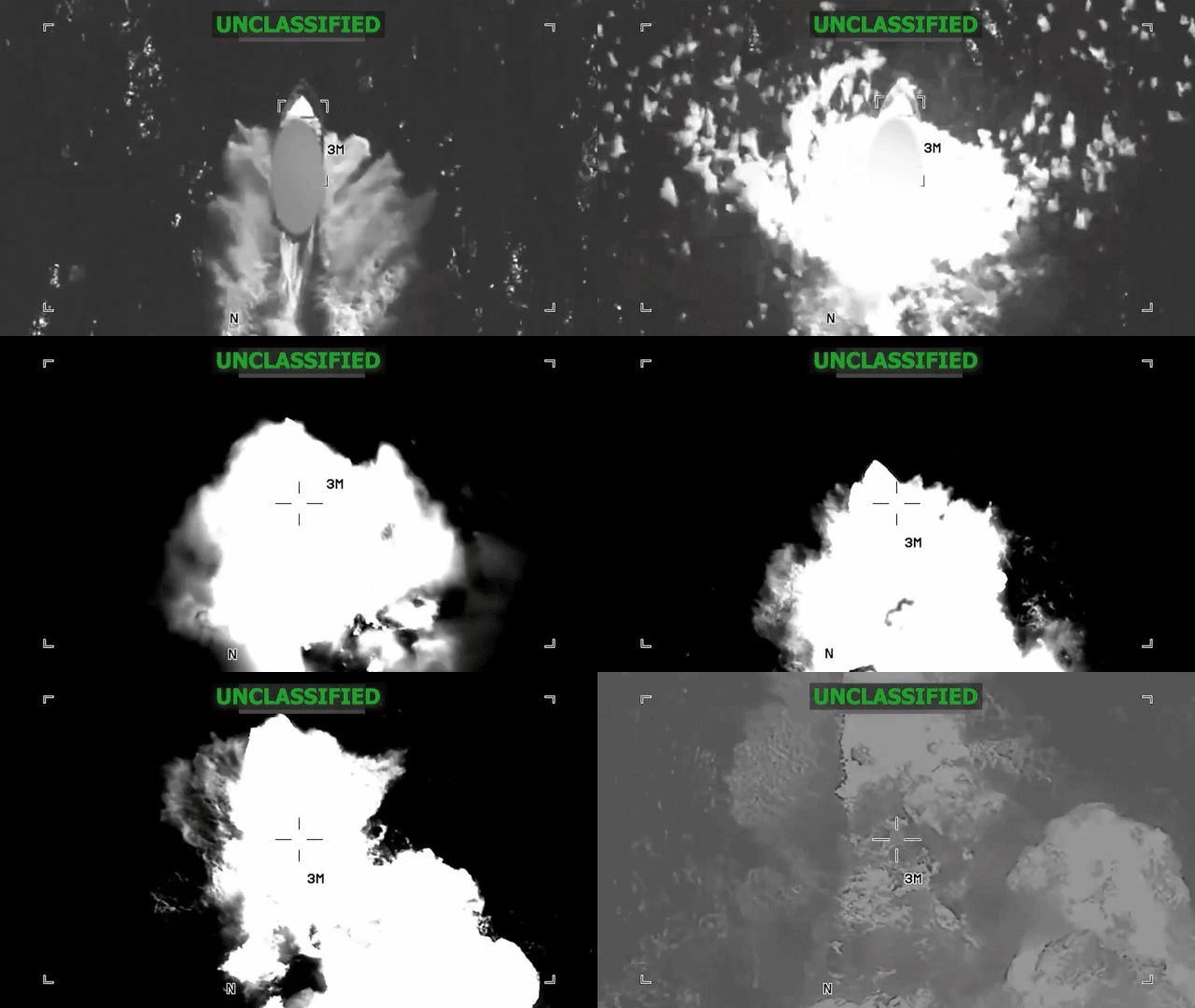
During the Cold War and beyond, the U.S. military remained apolitical outwardly, respecting the principle of civilian supremacy even amid contentious conflicts like Vietnam and more recent wars. However, Warner’s comments reflect contemporary concerns about perceived politicization under Trump, including dismissal of top military intelligence officials and controversial operational decisions such as Caribbean strikes linked to Secretary of War Pete Hegseth.
What This Really Means: The Military as Constitutional Guardian or Political Actor?
Warner’s emphasis that the military’s "commitment is to the Constitution and obviously not to Trump" taps into a foundational debate: to whom do armed forces owe ultimate allegiance? While military personnel swear an oath to the Constitution, not individual politicians, the line between lawful orders and political resistance is delicate. Encouraging the military to act as a "check" risks blurring their professional neutrality and could inadvertently politicize an institution designed to be apolitical.
Yet the backdrop is an administration accused by some Democrats of issuing "illegal orders," prompting lawmakers like Rep. Eric Swalwell to publicly urge military resistance. This highlights a scenario where traditional oversight mechanisms—Congress and judiciary—are perceived as weakened checks, raising fears about unchecked executive action. Hence, the military is viewed not just as a defense institution but as a last safeguard of constitutional order.
Expert Perspectives: Voices on the Civil-Military Divide
Experts on civil-military relations caution against framing the military as a political arbiter. Dr. Peter Feaver, Duke University political scientist and former defense advisor, notes, "The U.S. military's strength lies in its clear subordination to civilian authority, even when that authority is contested. Suggesting the military 'save' the country risks undermining democratic norms and can invite dangerous precedents." Meanwhile, historian Andrew Bacevich warns of the perils when "military leaders are dragged into political battles, jeopardizing both institutional integrity and national unity." On the other hand, some constitutional scholars acknowledge that in extreme scenarios where executive overreach threatens democracy, the military’s fidelity to lawful constitutional order becomes paramount.
Data & Evidence: Trends in Military Trust and Political Polarization
Polling data shows that while the military remains one of the most trusted institutions in America, political polarization within its ranks and among the general public has increased. According to a 2024 Pew Research Center survey, 74% of Americans express confidence in the military, compared to only 29% for Congress. However, confidence is sharply divided along partisan lines, with Republicans generally expressing higher trust in the military and Democrats expressing more skepticism about military politicization.
Operational decisions such as the Caribbean strikes managed under Hegseth’s purview and the firing of top intelligence officials have fueled concerns about politicized leadership within defense sectors. This context explains Senators’ and Representatives’ anxiety about adherence to legal and constitutional norms by military commanders.
Looking Ahead: Risks and Watchpoints for U.S. Democracy
Going forward, the strained rhetoric about military intervention in political affairs poses significant risks. If the military is indeed seen as a "rescue" mechanism, it could erode public norms about civilian supremacy and invite cycles of institutional conflict. Conversely, if the military resists unlawful orders while maintaining strict apolitical professionalism, it may reinforce constitutional stability. Key indicators to watch include the behavior of military leaders in upcoming Congressional testimonies, responses to any escalations of executive orders perceived as illegal, and ongoing congressional oversight effectiveness.
Moreover, institutional reforms to bolster Congressional and judicial checks could alleviate reliance on the military as a de facto safeguard, preserving democratic norms. Transparency, accountability, and public trust should be prioritized in civil-military dialogues to reduce polarization and misunderstanding.
The Bottom Line: Navigating Between Constitutional Duty and Political Danger
Senator Warner’s comments illuminate real and pressing constitutional anxieties about executive power, military loyalty, and democratic resilience in an era of heightened polarization. While the military’s oath to the Constitution is inviolable, framing them as potential "saviors" risks undermining fundamental democratic principles of civilian control and non-partisanship. The challenge for America lies in reinforcing the checks and balances that can function without resorting to military intervention in governance, ensuring that democracy endures through institutional strength rather than military intervention.
Ultimately, this debate highlights the precarious balance U.S. democracy must maintain to survive in a deeply divided political landscape.
Topics
Editor's Comments
Senator Warner’s statements mark a turning point in public discourse on the military’s role in American democracy. While his concerns about executive overreach and politicization are valid, implicitly calling upon the military as a constitutional check challenges a century-old norm of civilian supremacy. This dilemma exposes how weakened congressional and judicial oversight can create dangerous pressure points. Going forward, it is crucial that democratic institutions strengthen themselves to avoid reliance on the military, which must remain firmly non-partisan to preserve national stability. Watch carefully how military leaders respond in congressional hearings—they stand at a historical crossroads between duty to the Constitution and the risk of political entanglement.
Like this article? Share it with your friends!
If you find this article interesting, feel free to share it with your friends!
Thank you for your support! Sharing is the greatest encouragement for us.