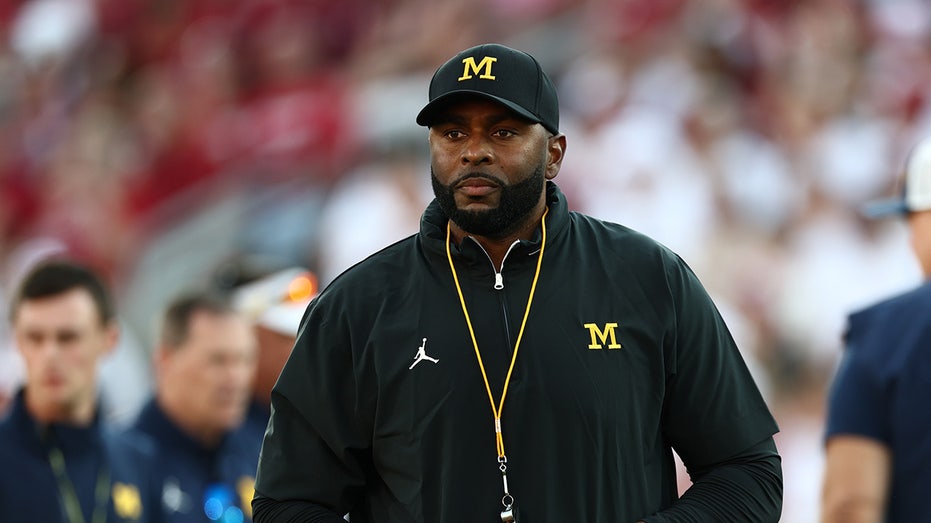
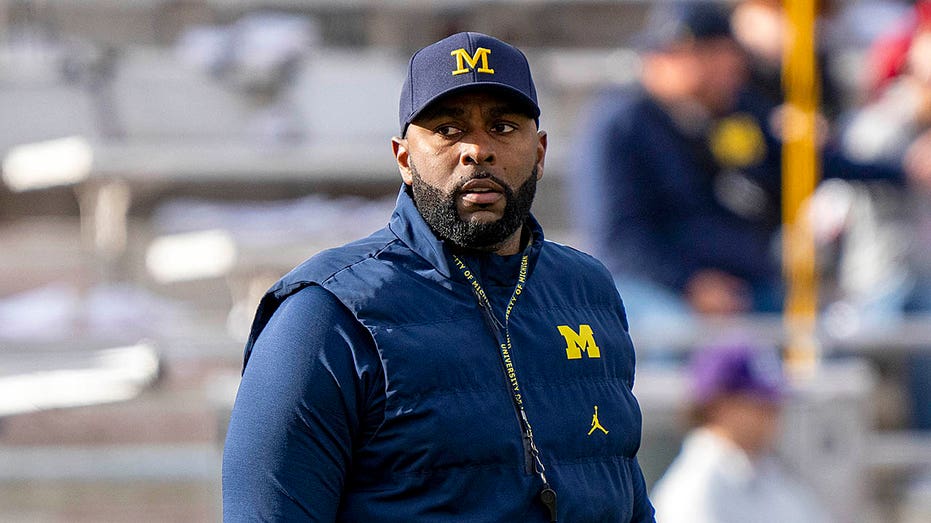
Sherrone Moore’s Collapse: Power, Mental Health, and the Limits of the Coaching Redemption Arc

Sarah Johnson
December 18, 2025
Brief
Sherrone Moore’s collapse is not just a scandal. It exposes deeper problems in college football: power imbalances, mental health crises, and a redemption culture that often sidelines victims and structural reform.
Beyond the Scandal: What Sherrone Moore’s Collapse Reveals About College Football, Power, and Mental Health
On the surface, the Sherrone Moore story looks like another high-profile coaching career imploding under the weight of personal misconduct and criminal allegations. But when a national championship coach like Ed Orgeron steps in to say, “coaches can always rebound,” it exposes a deeper set of questions about who gets second chances, how college football handles mental health and power abuses, and what responsibility institutions bear when their leaders unravel in public.
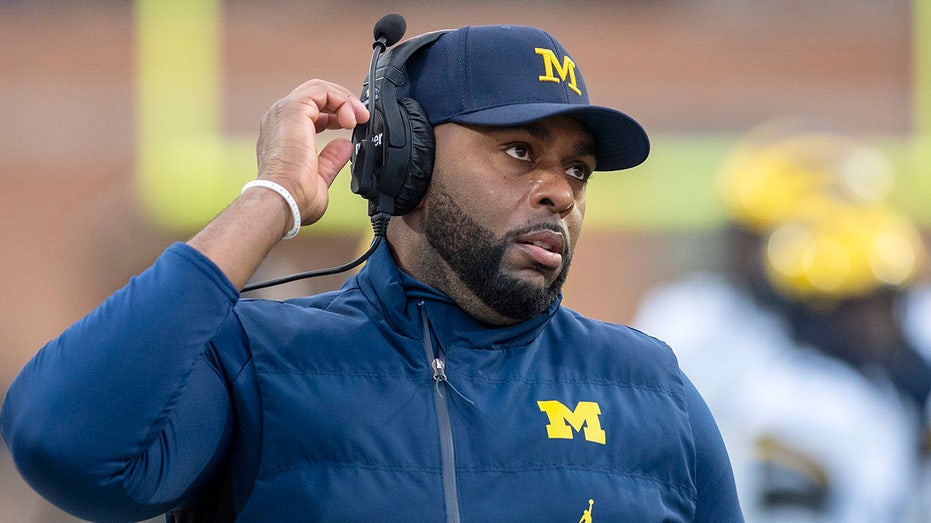
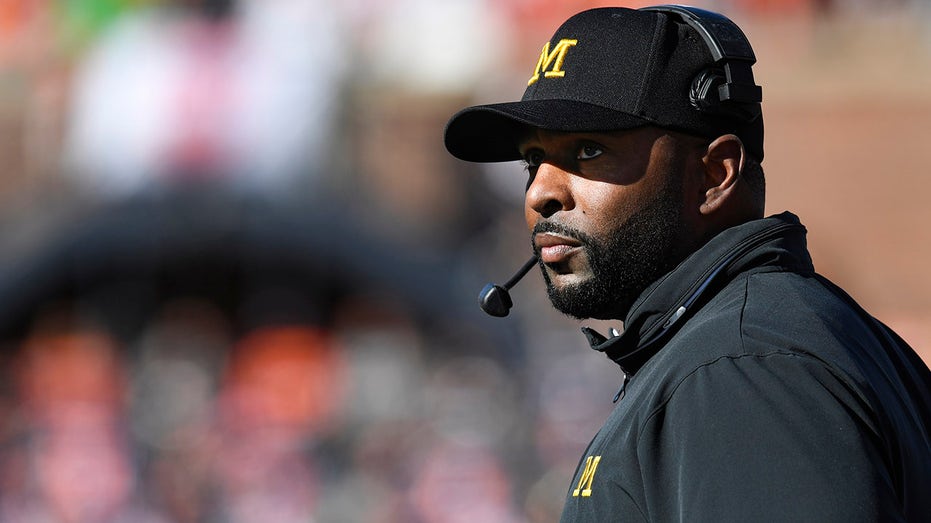
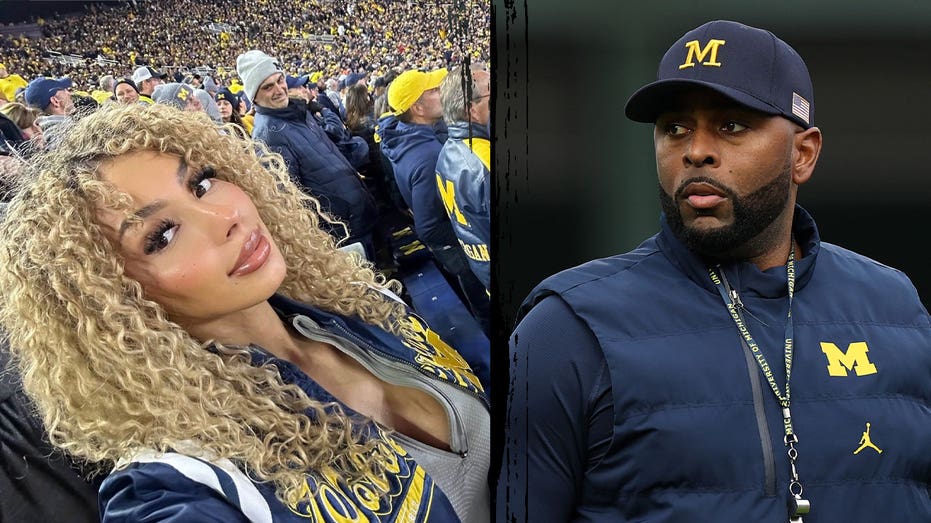
Moore, fired by Michigan for an “inappropriate relationship” with a staffer and then arrested after allegedly breaking into her home and threatening suicide, now faces potential prison time and the likely end of his coaching trajectory—at least for now. Orgeron, speaking from experience in a profession that has a long memory for winning and a short memory for failure, offers a kind of conditional optimism: get yourself right first, then rebuild from the bottom.
That advice, while humane on one level, sits at the intersection of three powerful forces shaping modern college sports: the culture of impunity around winning coaches, the slow and uneven recognition of mental health crises in athletics, and the still-evolving norms around workplace relationships, harassment, and safety.
The historical playbook: When powerful coaches fall
Moore’s downfall follows a pattern that has defined college and professional sports for decades: a high-status male coach crosses personal or professional boundaries, an internal investigation reveals misconduct, and the institution moves—sometimes swiftly, sometimes reluctantly—to sever ties. What happens next has rarely been about moral clarity; it tends to be about performance, timing, and public pressure.
Historically, coaches in trouble fall into three rough categories:
- Rehabilitated winners: Figures like Bobby Petrino (fired at Arkansas after an affair with a staffer and lying to administrators) eventually resurfaced, often at lower levels first, and worked their way back toward relevance.
- Permanently sidelined figures: Those tied to systemic abuse, coverups, or violent offenses—think Art Briles at Baylor—have found that some lines, under public scrutiny, are difficult to cross back over.
- Quietly reintegrated operators: Some assistants and coordinators implicated in scandals fade briefly from view only to reappear in off-field roles far from national headlines.
What’s notable in Moore’s case is how many fault lines intersect at once: a power-imbalanced relationship with a staffer, alleged stalking and harassment, a dramatic incident involving self-harm threats, and a rapidly changing cultural landscape around workplace conduct in athletics. He is not just a coach who made a bad personal decision; he is now also a defendant in a case where prosecutors describe him as a “risk to public safety.”
Historically, the coach redemption arc has depended on three conditions: time, contrition, and plausible deniability of lasting harm. The question is whether the modern environment—post #MeToo, amid heightened awareness of domestic violence and harassment—will allow that old script to play out in the same way.
Power, consent, and the workplace in college sports
One underexamined aspect of the story is the power dynamic embedded in “inappropriate relationships” between head coaches and staffers. In college athletics, head coaches aren’t just managers; they’re quasi-CEOs with enormous influence over hiring, promotions, culture, and access to opportunity. Even if a relationship is initially consensual, the institutional power imbalance is inherently problematic, especially in a university setting that increasingly frames itself as a workplace with clear Title IX obligations and harassment policies.
Over the last decade, colleges have strengthened policies restricting or requiring disclosure of relationships where there is supervisory authority. In many athletics departments, undisclosed relationships between a head coach and subordinate now trigger disciplinary action not only because of moral concerns, but because of legal risk: institutions have paid out millions in settlements where they failed to address hostile environments or power-abusive relationships.
By the time Michigan concluded its investigation and fired Moore, the university wasn’t just protecting its brand—it was likely managing liability. When the relationship deteriorated and the staffer reported calls and texts she perceived as threatening or harassing, the story transformed from a policy issue into a safety issue. That shift—from ethics to security—is what often marks the end of institutional patience.
Mental health crisis or accountability dodge? It doesn’t have to be either/or
Another layer complicating this case: Moore’s wife reportedly called 911 describing him as suicidal after he lost his job, and his bond conditions require ongoing mental health treatment following evaluations. In court filings, prosecutors describe behavior that left the woman feeling “terrorized.”
This raises a tension that has plagued public conversations about misconduct: can we simultaneously treat mental health crises as real and serious while still holding people fully accountable for the harm they cause?
In the past, public figures have sometimes seemed to use rehab or mental health treatment as a reputational shield. That’s led to understandable skepticism. But the facts in Moore’s case—alleged self-harm threats with a knife and scissors, statements like “my blood is on your hands,” and a rapid post-firing spiral—are consistent with acute crisis, not just PR theater.
The challenge for institutions, courts, and the sports world is to avoid collapsing into a false binary:
- If this is a mental health crisis, then the conduct is somehow excusable; or
- If the conduct is harmful, then mental health explanations are just excuses.
Both can be true: his behavior can be criminally chargeable and deeply damaging to the victim while also reflecting an urgent need for treatment. The order of operations matters. As Orgeron notes, “the number one thing… is for him to be OK.” But that doesn’t mean the victim’s safety, or systemic reforms, should be subordinated to a redemption narrative.
Ed Orgeron’s advice and the culture of second chances
Ed Orgeron is not a neutral observer. He is a national champion coach who has navigated messy professional exits himself. His words carry weight in coaching circles not only because he has a title ring, but because he represents a generation of coaches who came up in a less scrutinized era.
When he says, “my dad used to tell me time heals everything… maybe you have to start back at a lower position,” he’s articulating a belief deeply rooted in football culture: that success on the field and personal reinvention off it can eventually outweigh past failures. In many ways, the coaching fraternity is built on this idea. Assistants fired for cause at one school eventually resurface at another; the carousel rarely stops for long.
The risk in that culture is that it can normalize cycles of harm and rehabilitation without systematically addressing the underlying issues—power abuse, gender dynamics, and mental health. Orgeron’s framing is compassionate toward Moore, but it’s largely silent about the woman at the center of the incident, or the staffers who operate in a system where their bosses control their livelihoods.
That silence mirrors a longstanding bias in sports coverage: the focus is on the fallen star’s comeback, not the ecosystem that allowed the situation to develop or the lasting impact on those with less power.
Data points: how widespread are these issues?
Reliable comprehensive data on coach-staffer misconduct is limited because most universities resolve cases quietly. But several trends are clear:
- Workplace relationships and Title IX: The NCAA’s own surveys and external research show that athletics departments are frequent sites of Title IX complaints, with power-imbalanced relationships and hostile environments among recurring themes.
- Mental health in high-performance roles: NCAA surveys of student-athletes have repeatedly found high rates of anxiety and depression; while less data is available for coaches, emerging research from sports psychology suggests coaches experience elevated stress, burnout, and untreated mental health issues, driven by job insecurity and performance pressure.
- Legal and reputational risk: Universities have paid substantial settlements related to mishandled misconduct in athletics, reinforcing incentives to act more decisively than they might have a decade ago.
Moore’s case sits at the nexus of these trends. A coach under intense pressure, a workplace relationship that crosses policy lines, a crisis that escalates into alleged criminal conduct, and an institution that moves quickly in part because the cost of inaction has become so high.
What this means for the future of coaching and college programs
Several broader implications emerge from this saga:
- Redemption arcs will face higher scrutiny. In an era where victim safety and workplace equity are central concerns, the path back for coaches implicated in harassment, stalking, or domestic-related incidents will be longer and more conditional. Wins alone won’t be enough; schools will be pressed to explain why they believe a coach is safe to rehire and what safeguards are in place.
- Universities will tighten boundaries on relationships. Expect more explicit, enforced policies prohibiting romantic or sexual relationships between head coaches and direct-report staffers. Disclosure requirements may evolve into outright bans in some departments, with automatic review triggers.
- Mental health infrastructure will be tested. The fact that mental health treatment is now embedded in Moore’s bond conditions reflects a broader shift: courts, schools, and leagues increasingly see psychological support as part of risk management. The question is whether that support will be proactive or mostly reactive after crises.
- Victim-centered frameworks will gain traction. As more details emerge in cases like this, there will be growing pressure for athletic departments to articulate how they protect staffers who report powerful figures—through security planning, job protections, and transparent processes.
Expert perspectives: culture, law, and mental health
Several expert lenses help clarify what’s at stake.
On coach culture and power: Sports sociologist Dr. Jay Coakley has long argued that big-time sports operate on “performance imperatives” that override other values. In that context, boundaries can erode: the more indispensable a coach appears, the more rules seem flexible—until public exposure forces a correction.
On workplace and legal risk: Employment and Title IX attorney Nancy Hogshead-Makar has noted in similar cases that universities are learning, painfully, that “waiting for a pattern to develop” with powerful staff often exposes them to litigation and public anger. Acting quickly in response to a credible complaint, as Michigan did, is increasingly the norm rather than the exception.
On mental health in crisis: Sports psychologists emphasize that suicidal ideation in high-pressure roles often emerges at moments of identity collapse—precisely when careers implode. But treatment does not negate responsibility. As one clinician framed it in the context of athlete misconduct, “We must treat risk and harm as seriously as pain and distress.”
What’s being missed in mainstream coverage
The early coverage of Moore’s case, understandably, focuses on the dramatic elements: the firing, the alleged break-in, the suicidal threats, and the possibility of prison time. What gets less attention are the systemic factors:
- How athletic departments train (or fail to train) leaders on power dynamics and consent.
- Whether staffers feel genuinely protected when reporting misconduct by people who can end their careers.
- How often mental health resources for coaches are framed only as performance enhancers, not as safeguards against crisis.
- Why the burden of safety, in practice, still often falls on the less powerful party to avoid or manage dangerous situations.
By focusing almost exclusively on Moore’s potential for redemption, the discourse risks replaying an old pattern: centering the fate of the powerful man while relegating the staffer and the structural failures to the background.
Looking ahead: what to watch
Several developments in the coming months will signal how this story—and stories like it—reshape college sports:
- The criminal case: Whether Moore accepts a plea deal, undergoes mandated long-term treatment, or goes to trial will affect public perception of his accountability and future employability.
- Michigan’s internal response: If more details emerge about policy changes or training initiatives, it will indicate whether this is seen internally as a one-off crisis or a catalyst for reform.
- Coaching market behavior: How other schools talk about—and eventually act on—the idea of Moore returning at a “lower position” will test whether the profession’s informal redemption culture is changing.
- Staff protections: Advocates and faculty groups may push for clearer, enforceable protections for athletics staff who report misconduct, including against retaliation and career stagnation.
The bottom line
Ed Orgeron’s advice to Sherrone Moore—get yourself right first, then maybe work your way back—is emotionally intuitive and, in some ways, humane. But it’s only half the story. The other half involves a staffer who says she was terrorized, a university under mounting legal and ethical scrutiny, and an industry where the power to harm and the power to rebound are often concentrated in the same hands.
Whether Moore eventually coaches again is a secondary question. The primary test for college sports is whether cases like this lead to deeper structural changes: clearer boundaries, better protections, and a mental health framework that treats crises as warnings about the system, not just the individual.
Key questions for readers
- Should coaches with serious misconduct histories be allowed to return, and under what conditions?
- What obligations do universities have to staffers who report powerful figures?
- How can mental health support be built into coaching culture without becoming a shield from accountability?
Topics
Editor's Comments
What worries me most about the Sherrone Moore narrative is how quickly it’s being framed around his potential redemption rather than the structural lessons the industry should be drawing. Ed Orgeron’s remarks are sincere, but they reinforce a familiar storyline: the fallen coach who rebuilds himself and returns, often without much scrutiny of the environment that enabled his rise or the harm his actions caused. If the only lasting consequence here is whether Moore eventually finds another job, the system will have missed the point. This incident should force athletic departments to interrogate their own cultures: why are staffers still so vulnerable to the whims and emotional volatility of powerful coaches? How robust are their protections when they report misconduct? And why does mental health support for coaches tend to appear only after crisis and public embarrassment, instead of being a preventative, normalized part of the profession? Until those questions are addressed, focusing on individual redemption arcs risks becoming a distraction from the deeper reforms college sports urgently needs.
Like this article? Share it with your friends!
If you find this article interesting, feel free to share it with your friends!
Thank you for your support! Sharing is the greatest encouragement for us.