Beyond the Police Decision: How Prince Andrew’s Epstein Ties Threaten King Charles’ Monarchy

Sarah Johnson
December 18, 2025
Brief
Prince Andrew dodged another police probe, but the Epstein scandal continues to erode King Charles’ monarchy. This analysis explains the deeper power, legitimacy and future-of-the-crown stakes.
Prince Andrew Escapes a Police Probe — But the Epstein Shadow Still Threatens King Charles’ Monarchy
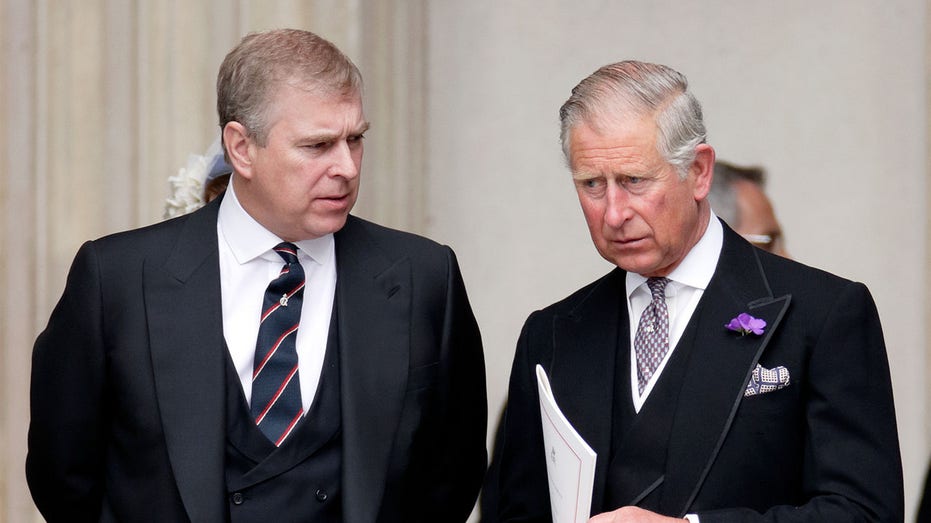
British police may have decided not to pursue a criminal investigation into Prince Andrew’s alleged attempt to smear Virginia Giuffre, but the episode underlines a deeper reality: this is no longer just a scandal about one disgraced royal. It has evolved into a long‑term stress test for King Charles III’s effort to modernize and protect a monarchy that depends on public trust to survive.
The latest development — the Metropolitan Police’s decision to take “no further action” alongside newly surfaced Epstein-related photos and emails — highlights a widening gap between legal exposure and reputational damage. Legally, Andrew keeps slipping through the net. Politically and symbolically, he’s an anchor tied to the monarchy’s leg in an era of unrelenting transparency and online forensic scrutiny.
How We Got Here: A Scandal Years in the Making
To understand why the current moment is so volatile, it’s worth tracing the trajectory of Andrew’s fall and how it intersects with the monarchy’s recent history:
- Early 2000s: Jeffrey Epstein builds a network of elite contacts, including Prince Andrew, amid growing but largely ignored allegations of sexual exploitation and trafficking of minors.
- 2008: Epstein secures a highly controversial plea deal in Florida for sex offenses involving minors. Despite this, Andrew maintains contact and is later photographed with Epstein in New York after Epstein’s release.
- 2015–2019: Virginia Giuffre’s allegations against Andrew become public. The infamous photograph with Giuffre and Ghislaine Maxwell emerges. Public scrutiny intensifies but royal aides still try to manage the crisis privately.
- 2019: Andrew’s BBC “Newsnight” interview becomes a defining disaster, crystallizing public perception of him as entitled, tone-deaf, and evasive. Within days he steps back from royal duties.
- 2022: Andrew settles Giuffre’s civil lawsuit in the U.S. without admitting liability but acknowledging her as a victim of trafficking. The settlement keeps the most explosive evidence out of open court but does nothing to clear his name in the public eye.
- 2023–2025: The slow release of Epstein-related court files, logs, and images sustains the scandal over years. Charles strips Andrew of military titles and patronages, and more recently of his royal title, even as fresh material from the Epstein estate continues to surface.
This latest chapter — a non‑prosecution decision from the Met combined with new images and emails — fits a now-familiar pattern: legal closure in one narrow area followed by renewed public questioning as more fragments of the Epstein archive emerge.
What’s Really at Stake for King Charles
The critical issue is not whether Andrew faces arrest, but how long the monarchy can absorb reputational blows linked to a global sex‑trafficking scandal without suffering structural damage. King Charles confronts three overlapping challenges:
- The legitimacy gap: The monarchy survives not by law alone but by perceived moral authority. When a senior royal is associated — even tangentially — with a convicted sex offender and the abuse of minors, it undercuts the institution’s claim to embody national values.
- The transparency era: In the 1990s, royal scandals (from Diana and Charles to Sarah Ferguson’s financial issues) could be contained through press deals and controlled access. The Epstein story is running through U.S. courts, congressional investigations, and digital archives. No royal press strategy can fully manage that.
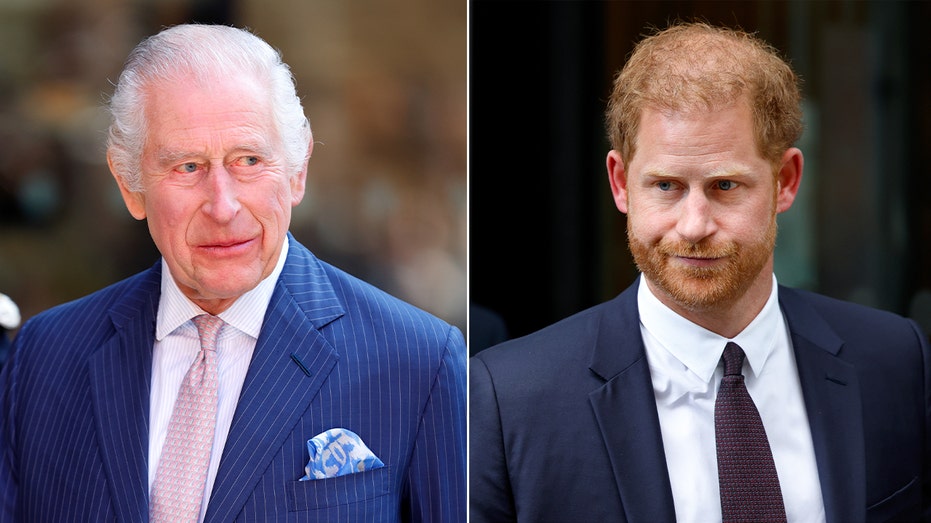
- Succession politics: Prince William and Princess Catherine are deliberately distancing themselves from Andrew. Their future reign depends on appearing cleanly modern and ethically unimpeachable. That inevitably pressures Charles to be seen as tougher on his brother than perhaps instinct or family loyalty would dictate.
The decision to formally strip Andrew of his royal title, coming after years of incremental sanctions, signals that Charles finally accepts his brother as an institutional liability, not just a personal embarrassment. Yet, as the new photos and the House Oversight Committee’s releases show, that move may have come too late to draw a clean line under the affair.
Legal Innocence vs. Reputational Guilt
The Met’s statement that it found no additional evidence to justify opening a criminal investigation over Andrew allegedly asking a protection officer to dig into Giuffre’s past is legally decisive but publicly unsatisfying. This tension is central to why the story refuses to die:
- Narrow remit: The police review covered a specific allegation about potential misuse of a police bodyguard in 2011. It did not, and could not, adjudicate the broader moral question of Andrew’s association with Epstein or Giuffre’s claims of exploitation.
- Civil vs. criminal standards: Andrew’s settlement in the U.S. civil case did not produce a criminal conviction, allowing his defenders to say “nothing was proven” while critics see payment as de facto acknowledgment that a trial could have been damning.
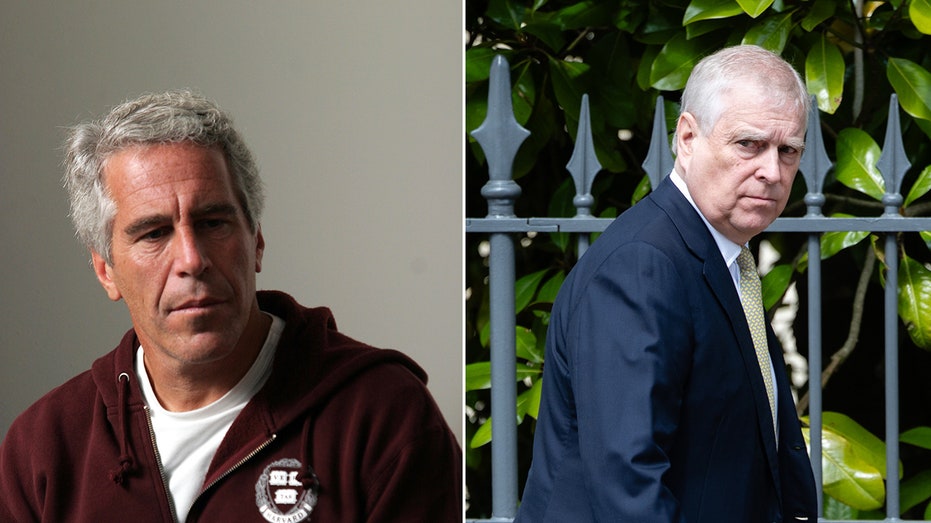
- Public memory: The images — Andrew at Epstein’s Manhattan home, the Maxwell/Giuffre photo, and now the newly circulated summit image — function as a visual record of judgment. Even if each photo adds little legally, they accumulate moral weight over time.
This is why experts warn the “drip‑feed” of imagery and documents is so dangerous: it keeps the story perpetually half‑resolved. Each new release revives outrage, reinforces the association, and undermines attempts to rehabilitate Andrew — or to move the monarchy beyond him.
The Power of the Epstein Archive
The suggestion that Epstein “made it his mission to document material on all high-profile contacts” speaks to a deeper structural issue: elites who interact with compromised figures in private settings are now living with the possibility that photos, logs, emails, or surveillance will emerge years later, long after they believed the risk had passed.
For the monarchy, this creates a uniquely destabilizing dynamic:
- Endless horizon of risk: So long as further “Epstein files” remain unreleased or only partially disclosed, palace strategists cannot fully map the damage. They are managing an evolving threat, not a contained scandal.
- Selective cropping and context: The revelation that a summit photo arrived from the estate with King Charles cropped out underlines how context can be manipulated. The monarchy has limited control over how these images are edited, framed, or paired with documents.
- Conflation with broader elite networks: Andrew’s name now appears in a constellation that includes tech billionaires, ex‑presidents, and financial magnates. Even if his role is different in scale or nature, the public tends to group all these associations together as evidence of a compromised global elite.
This is less about one prince’s misjudgment and more about the perceived complicity of institutions that allowed proximity to power to override basic ethical scrutiny of a man like Epstein.
Inside the Palace Calculation: Compassion vs. Containment
Reports that close family members are monitoring Andrew’s mental health and that he fears being “fed to the lions” show the human side of the crisis. For Charles, this poses a classic institutional dilemma: how far can a monarch prioritize compassion for a brother over safeguarding the reputational survival of the crown?
Two strategic considerations are likely shaping the palace approach:
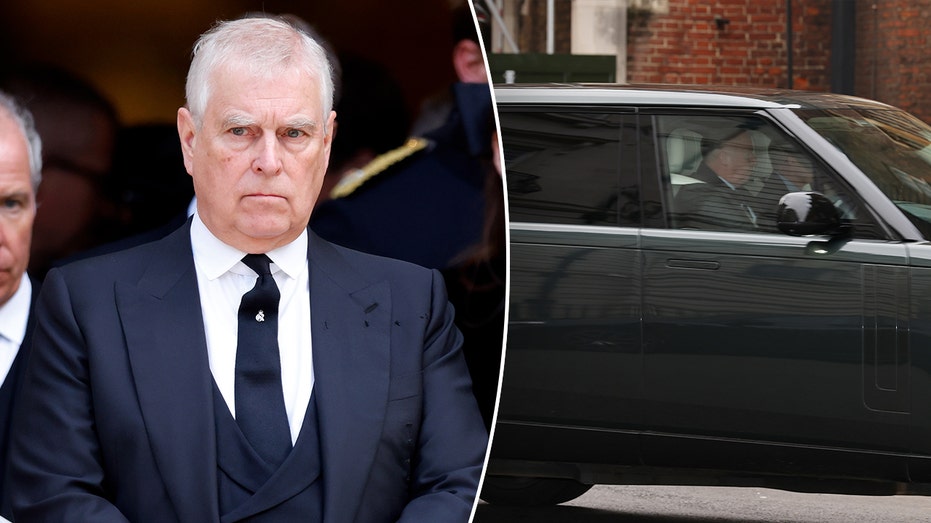
- Quarantine strategy: By stripping titles, removing Andrew from public duties, and distancing him from state occasions, the palace is trying to create a firewall between “The Firm” and Andrew’s private life. His attendance at a family christening is framed as personal, not institutional.
- Time-as-healer gamble: There is a clear hope that as new royal narratives emerge — Charles’s environmental agenda, William’s mental health and homelessness initiatives, Catherine’s early childhood campaigns — Andrew’s story will recede into the background noise of past scandals.
The risk is that each new Epstein-related disclosure resets the clock, reminding the public that the issue was never fully confronted, merely relegated to the margins.
What Mainstream Coverage Often Misses
Most daily reporting focuses on the optics — the latest photo, the newest court filing, the tactical palace response. Three deeper dynamics tend to be underreported:
- The accountability gap: For many survivors and advocates, the Andrew case exemplifies how powerful men avoid direct legal reckoning while victims bear the burden of reliving trauma in public. The Met’s decision not to investigate reinforces a narrative of elite impunity, even if legally justified.
- Commonwealth politics: In countries already questioning the monarchy’s role — from the Caribbean to parts of the Pacific — the Epstein scandal adds to a broader critique that the crown has never been fully accountable for past abuses, from colonial injustices to modern scandals.
- Gender and power: The image of a middle‑aged prince accused by a trafficked teenager taps into broader debates about how institutions protect powerful men at the expense of young, vulnerable women. The monarchy’s response is being judged against this wider #MeToo-informed lens.
Looking Ahead: The Variables That Will Decide the Monarchy’s Exposure
Several factors will determine whether this remains a slow-burn crisis or evolves into a more existential challenge for the monarchy.
- Scope of future “Epstein files”: If upcoming releases include more concrete evidence of Andrew’s knowledge of, or direct involvement in, abuse — beyond what is already alleged — pressure for formal inquiries or new investigations will intensify, even if the legal prospects remain uncertain.
- Parliamentary and media appetite: UK lawmakers have so far avoided demanding a full, independent review of royal links to Epstein. That restraint could shift if public anger spikes or if fresh evidence appears to contradict earlier palace assurances.
- William’s stance: The more openly the Prince and Princess of Wales signal distance from Andrew, the clearer it becomes that any future rehabilitation is off the table. That can help protect the institution — but at the cost of further isolating Andrew and potentially fueling internal family tensions.
- Public fatigue vs. moral outrage: There is always a chance that the public simply tires of the story. But with Epstein, each new disclosure often reignites outrage precisely because it touches a nerve about systemic abuse and lack of accountability.
The Bottom Line
Prince Andrew has, for now, avoided another formal investigation. But in the court of public opinion — and in the slow ledger of institutional trust — he remains a profound liability. King Charles is not fighting a single scandal; he is managing a rolling, document-driven narrative that periodically reminds the world that a senior royal kept company with a convicted sex offender at a time when the warning signs were already flashing.
Absent radical transparency and a clear break, the monarchy faces years of episodic shocks every time a new piece of the Epstein archive surfaces. That is the real “nightmare” for Charles: not that Andrew will be prosecuted, but that the crown’s moral authority will be slowly eroded by a scandal it can no longer fully control, yet still struggles to fully confront.
Topics
Editor's Comments
One underappreciated angle in the Andrew-Epstein saga is how little formal scrutiny the monarchy itself has faced, relative to the scale of public concern. The institution has largely responded through internal decisions — stripping titles, curating appearances, signaling distance — rather than subjecting its own conduct and culture to independent review. That may be strategically rational in the short term, but it carries long-term risks. If more damaging material emerges, critics will argue not only that a senior royal behaved irresponsibly, but that the crown’s response was primarily about damage limitation rather than genuine accountability. A more radical approach would be for the palace to support a broader, external look at how proximity to Epstein was allowed to continue after his 2008 conviction and what safeguards now exist to prevent similar misjudgments. Such a move could be painful and politically risky, but it might also be the only way to draw a credible line under a scandal that otherwise threatens to reappear, in fragments, for years to come.
Like this article? Share it with your friends!
If you find this article interesting, feel free to share it with your friends!
Thank you for your support! Sharing is the greatest encouragement for us.