Bills, Chiefs, and a Closing Stadium: Why Andre Reed’s Super Bowl Hope Is About Much More Than One Season

Sarah Johnson
December 11, 2025
Brief
Beyond Andre Reed’s optimism, the Bills’ potential path without the Chiefs reveals a deeper story about Buffalo’s history, Josh Allen’s volatility, stadium politics, and a narrowing Super Bowl window.
Buffalo’s Narrow Window: What Andre Reed’s Optimism Reveals About the Bills, the Chiefs, and the Psychology of a Fanbase on the Brink
Andre Reed’s comments about the Buffalo Bills’ path to a Super Bowl if the Kansas City Chiefs miss the playoffs sound like a feel-good quote from a franchise legend. But beneath the nostalgia and Bud Light promotion lies a much deeper story about opportunity windows in the NFL, the scars of past failure, and the way cities pin their identity on a team’s postseason fortunes.
At first glance, this is a simple narrative: the Chiefs — Buffalo’s postseason kryptonite — may finally be vulnerable, and one of the Bills’ greatest players believes the path is suddenly clearer. Yet for Buffalo, this moment carries added weight: a once-in-a-generation quarterback, a still-unclaimed Lombardi Trophy, and the symbolic closing of a stadium that has hosted some of the NFL’s most tortured near-misses.
The Bigger Picture: A Franchise Defined by Near-Glory
To understand why Reed’s comments resonate, you have to go back more than three decades.
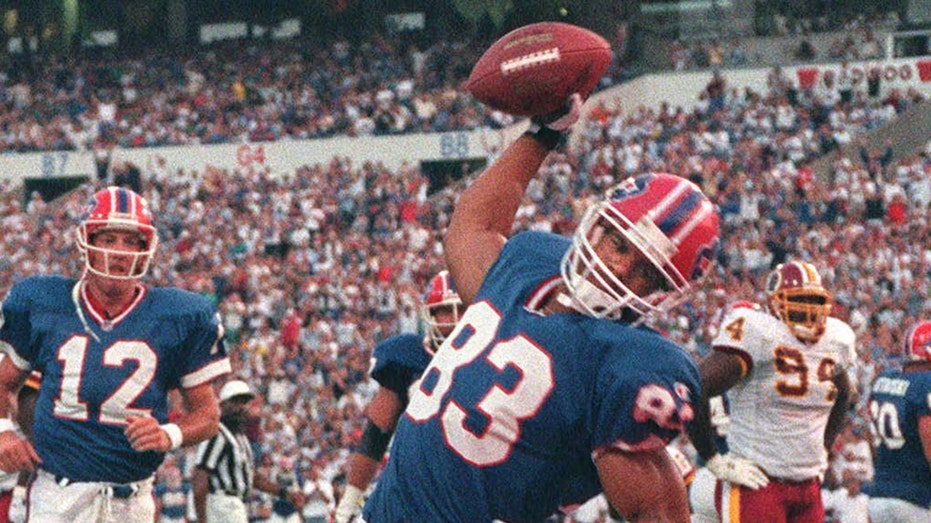
In the early 1990s, the Buffalo Bills did something no team has done before or since: four straight Super Bowl appearances (1990–1993). They lost all four. That run cemented the franchise in NFL history not as a dynasty, but as a symbol of agonizing almosts. Highmark Stadium (formerly Rich Stadium, Ralph Wilson Stadium, New Era Field) was the backdrop for those journeys — and the disappointment that followed.
Fast forward to the Josh Allen era: after years lost in the post–Jim Kelly wilderness, Buffalo finally found its franchise quarterback. Since 2019, the Bills have become one of the AFC’s most efficient, analytically favored teams. Yet again, the narrative echoes the 1990s: strong roster, elite offense, zero Super Bowl rings.
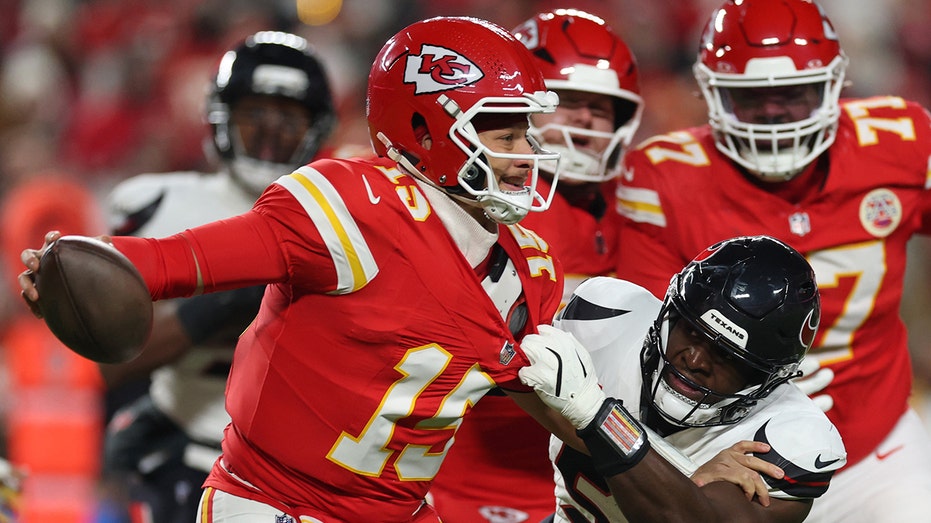
The recurring villain this time isn’t the NFC powers of the 1990s — it’s Patrick Mahomes and the Kansas City Chiefs. The Bills have been knocked out by Kansas City in four of the last five Januaries. Most painful was the 13-seconds game in January 2022, a playoff classic in which Buffalo appeared to have finally slain its demon, only to watch Mahomes execute a near-impossible late drive that forced overtime and sent the Bills home again.
Reed’s reference to the Chiefs as the team that has “stopped them” is not just a casual comment. It is a direct line connecting Buffalo’s modern frustrations to its historical ones: the Bills are once again good enough to dream, and once again blocked by a singular obstacle.
Why the Chiefs’ Vulnerability Matters So Much to Buffalo
The notion that the Chiefs might miss the playoffs is not just scheduling luck for the Bills; it’s symbolic. For nearly half a decade, the path to the Super Bowl in the AFC has effectively run through Kansas City. Mahomes has never failed to lead the Chiefs to at least the AFC title game when they’ve made the playoffs. That kind of sustained dominance doesn’t just block one team — it warps the entire conference hierarchy.
For Buffalo, the idea of a postseason without Kansas City has several layers of significance:
- Psychological release: A bracket without Mahomes removes the team’s most persistent playoff trigger. It doesn’t guarantee victory — but it rewrites the mental script.
- Strategic rebalancing: A Chiefs-free postseason shifts defensive and offensive game-planning league-wide. Teams that were building specifically to counter Mahomes and Andy Reid now must adapt to different threats.
- Narrative urgency: When your primary obstacle suddenly appears vulnerable, the question becomes not “Can we finally beat them?” but “What excuse do we have now if we don’t win?” That’s where the real pressure creeps in.
Reed publicly downplays the idea of extra pressure tied to Highmark Stadium’s closing, but he hints at a different source of urgency: if the Chiefs are indeed “home this postseason,” there is an implicit expectation that Buffalo must seize that opening. In other words, the window may never be this open again.
Highmark Stadium’s Last Act: Why the Building Itself Matters
The upcoming move to a new stadium just across the street is more than an infrastructure project; it’s a psychological turning point. Highmark Stadium has hosted:
- The early 1990s Super Bowl runs
- The “Music City Miracle” aftermath era of decline and irrelevance
- The rebirth under Sean McDermott and Josh Allen
The idea of closing the building without having ever raised a Lombardi Trophy cuts deeper in a place like Buffalo than in many other markets. This is a small-market, blue-collar city whose economic and cultural fortunes are tightly interwoven with its football team. The stadium is not just a venue; it’s a communal identity anchor.
The Bud Light “Blizzard Brew” promotion — using real snow from Highmark Stadium in commemorative cans — may sound like a marketing gimmick, but it taps into something real. Buffalo’s football experience is inseparable from the cold, the snow, and the spectacle of fans shoveling out the stadium after storms and diving onto folding tables in the parking lot. Corporations don’t latch onto that imagery by accident; they do it because it reflects something fans already believe about themselves: that their passion and resilience are part of what makes the team special.
That’s why Reed’s insistence that this is “for Bills Mafia” is more than canned ad copy. It signals how brands and former players are actively mythologizing this era — and how a Super Bowl title would become a cultural artifact, not just a sports achievement.
The Josh Allen Equation: Volatility as Destiny
Reed’s comment that the Bills have been “up, down, up, down” all year reflects a hard truth: Buffalo has evolved into a team whose ceiling is as high as any in the league, but whose floor can be alarmingly low. The common thread in that volatility is Josh Allen.
Statistically, Allen is one of the most impactful players in the NFL:
- Over recent seasons, he has consistently ranked near the top in total offense (passing + rushing yards).
- He’s a top-tier red-zone rushing threat, often leading quarterbacks in rushing touchdowns.
- But he also ranks near the top in turnover-worthy plays, especially when the offense leans on his improvisational style.
Reed’s phrase “as long as you got one-seven back there… they got a chance in any game” captures the paradox: Allen is both Buffalo’s greatest strength and its primary risk. In the playoffs, where margins are razor thin, that volatility becomes defining. The difference between a legendary Super Bowl run and another early exit may come down to whether Allen plays like peak Mahomes or like a hyper-talented gunslinger forcing throws into double coverage.
In that sense, the Chiefs’ potential absence does not simplify the challenge; it merely shifts the question from “Can the Bills overcome Mahomes?” to “Can the Bills overcome themselves?”
Patriots, Division Races, and the Changing AFC Landscape
The mention of the New England Patriots “back on the prowl” adds a second historical ghost to Buffalo’s present-day storyline. For nearly two decades, the Patriots — first under Tom Brady and Bill Belichick — controlled the AFC East. The Bills were an afterthought. The recent reversal of that relationship, with Buffalo dominating the division and New England rebuilding, has been a core part of the franchise’s resurgence story.
That’s why this late-season matchup with division implications feels weightier than just playoff seeding. If the Patriots reclaim the division, even briefly, it revives old anxieties about whether Buffalo’s grip on the AFC East is as secure as it seemed. Reed’s emphasis that the Bills must “go out and play football this week against the Patriots, and then try to run the table” is a veteran’s reminder that macro-narratives (Chiefs vulnerability, stadium nostalgia) mean nothing if you don’t win the games in front of you.
Zooming out, the AFC is undergoing a generational transition:
- Chiefs: Still dangerous but showing cracks in offensive efficiency and depth.
- Bengals, Ravens, Dolphins, Texans, Jaguars, and others: Emerging or surging, each with young quarterbacks and modern schemes.
- Bills: Neither young upstart nor aging dynasty — but something in between, with a star QB entering his prime and a roster that has already incurred cap and injury costs.
That in-between status is crucial: Buffalo is no longer the plucky challenger, but not yet the team that has cashed in. In that context, opportunities when rivals stumble become existential tests, not just scheduling breaks.
What Mainstream Coverage Often Misses
Most superficial coverage of this story focuses on three elements: Reed’s optimism, the Chiefs potentially missing the playoffs, and a sentimental farewell to Highmark Stadium. What tends to be overlooked are:
- The cumulative psychological weight: From the 1990s Super Bowl losses to modern playoff heartbreaks, Buffalo carries one of the heaviest emotional histories in the NFL. That shapes decision-making, fan behavior, and even how success is perceived.
- The economic and civic stakes: The new stadium is heavily intertwined with public funding debates, long-term regional development, and the city’s self-image as a “major league” town. Winning now isn’t only about a trophy; it’s about validating massive civic investment.
- The risk of being leapfrogged: Younger, cheaper rosters with ascending quarterbacks (like Houston’s or Jacksonville’s) threaten to push Buffalo from prime contender status into the dreaded “really good, but never that good” category.
Looking Ahead: What This Season Will Decide for Buffalo
Reed insists the Bills “just got to worry about them,” and he’s right in a football sense. But the stakes of these next few games are far-reaching:
- Legacy of the Allen–McDermott era: Every year that passes without a Super Bowl appearance makes it easier to question whether this coaching staff can maximize an elite quarterback’s prime.
- Roster and cap decisions: Continued near-misses accelerate tough calls on aging stars and expensive contracts. If the Bills fall short again, the front office will face pressure to retool more aggressively.
- Fan psychology: Bills Mafia is uniquely loyal, but loyalty doesn’t preclude frustration. Another year of “We almost did it” — especially in a year when the Chiefs might not be there — could deepen the sense that Buffalo is forever destined to be a tragic contender.
- The stadium handoff narrative: Whether Highmark closes as the site of great memories or as the symbol of unfulfilled potential will color how the new building is received. A title transforms the move from “starting over” to “continuing a dynasty.”
The Bottom Line
Andre Reed’s hope that the Bills can “sneak in there and win the division,” capitalize on potential Chiefs chaos, and finally chart a clean path to the Super Bowl isn’t just a former player cheering from the sidelines. It’s the distilled voice of decades of near-misses, heartbreaks, and stubborn belief.
If Kansas City does miss the playoffs, this season will become a referendum on whether Buffalo’s problem was really just the Chiefs — or something more internal and structural. Either way, the closing chapter of Highmark Stadium will say a lot about how history remembers this era of Bills football: as the one that finally broke the curse, or as the latest version of a familiar story.
Topics
Editor's Comments
What stands out in this story is not just the familiar narrative of a snakebit franchise hoping its rival finally stumbles; it’s the way Buffalo’s broader civic moment is compressed into a few football games. The city is investing heavily in a new stadium, leaning on the Bills as an anchor for regional pride and economic optimism, even as the team’s competitive window feels acutely finite. If the Chiefs do miss the postseason, we’ll learn whether Buffalo’s struggles were truly about running into a generational quarterback, or whether deeper structural issues — conservative game management, roster construction, reliance on Allen’s improvisation — are to blame. In that sense, this isn’t just a sports story; it’s a case study in how much symbolic weight a team can carry for a community that has repeatedly been asked to wait just a little longer for payoff. The risk for Buffalo isn’t only losing games; it’s allowing another era of "almost" to define them when the conditions for a breakthrough have rarely looked more favorable.
Like this article? Share it with your friends!
If you find this article interesting, feel free to share it with your friends!
Thank you for your support! Sharing is the greatest encouragement for us.