Foiled Christmas Market Plots Reveal a Younger, More Fragmented Terror Threat in Europe

Sarah Johnson
December 18, 2025
Brief
Foiled Christmas market plots in Poland and Germany reveal a new phase of Europe’s terror threat: younger, digitally-radicalized actors, hybrid ideologies, and a steadily expanding security footprint in public life.
Foiled Christmas Market Plots Expose a New Phase of Europe’s Terror Threat
In the span of a few weeks, Polish, German, British and U.S. authorities have disrupted alleged plots targeting Christmas markets, Jewish gatherings and corporate sites. On the surface, these are familiar headlines in the two decades since 9/11. But the details of the Polish case – a 19‑year‑old student allegedly preparing an ISIS-inspired mass-casualty bombing – and parallel plots in Germany and the U.S. tell us something more troubling: terrorism in the West is fragmenting, decentralizing and increasingly driven by young, digitally-radicalized actors who blur the lines between jihadist, political and anti-system extremism.
What’s emerging is not a return to the coordinated, large-scale operations of the 2015–2017 ISIS era in Europe, but a more diffuse and harder-to-detect threat environment. It is less about centralized command and more about ideological ecosystems that interact with personal grievances, online networks and global flashpoints – from Gaza to domestic politics. The Christmas season, with its predictable crowds and symbolic targets, has become an annual stress test of how well Western democracies have adapted to this new phase.
From Paris and Berlin to Lublin: How Europe’s Terror Threat Has Evolved
To understand why a teenager in Lublin becomes a counterterrorism priority, it helps to recall how European jihadist violence has changed over the last decade.
Between 2015 and 2017, Europe experienced a wave of mass-casualty attacks linked directly or indirectly to ISIS central: the Paris attacks (130 killed), Brussels airport and metro bombings, the Bastille Day truck attack in Nice (86 killed) and the 2016 Berlin Christmas market attack (12 killed). Those operations involved trained operatives, cross-border logistics and at least some guidance from Syria and Iraq.
Since the territorial defeat of the ISIS “caliphate” around 2019, the picture has shifted. European security agencies report:
- Fewer complex, centrally directed attacks
- More lone actors or small cells inspired online
- A steadily declining but persistent number of jihadist incidents, alongside a sharp rise in far-right and other ideologically motivated plots
Europol’s annual terrorism report has consistently highlighted that most foiled jihadist plots in the EU in recent years are “unsophisticated” but potentially lethal: knives, vehicles, homemade explosives. The Polish case fits this pattern: a 19-year-old allegedly studying how to make explosives, possessing pro-Islamic State materials and aiming for a mass-casualty attack on a symbolic civilian target – a Christmas market.
Poland, notably, has largely avoided the kind of jihadist attacks seen in France, Belgium or Germany. That history may create an illusion of relative safety. The disruption of an ISIS-inspired plot in Lublin – and an earlier June case involving three other 19-year-olds suspected of extremist planning – signals that the country is no longer merely a transit or logistics hub, but also a potential theater for ideological violence.
The New Profile: Younger, More Isolated, More Online
The Polish suspect is 19. The three earlier Polish suspects were also 19. Canada’s spy chief recently warned of an “alarming rise in teen terror suspects.” Across Europe, the U.S. and Canada, security services are quietly tracking the same phenomenon: a younger demographic that does not necessarily fit the classic profile of a foreign fighter or long-term extremist.
Several structural factors are converging:
- Digital-native radicalization: Teenagers spend more of their formative years in algorithm-driven online spaces. Encrypted messaging, fringe forums, and short-form video platforms can expose them to extremist narratives at scale and speed.
- Hybrid ideologies: Many younger suspects do not adhere to a coherent doctrine. They mix jihadist symbolism with nihilism, conspiracism, incel rhetoric or anti-system rage. This complicates early detection because their online footprint may look chaotic rather than clearly ideological.
- Mental health and status anxiety: Post-pandemic, youth mental health indicators in multiple countries have worsened. For a small minority, the search for meaning, status and belonging can be hijacked by extremist recruiters or propaganda.
The Polish investigation reportedly found “items linked to Islam” and digital storage devices. That likely means a mix of religious materials, ISIS propaganda and DIY bomb-making guides – content that has proliferated despite years of takedowns by major platforms. The critical shift is that a teenager in Lublin can, in relative isolation, gain access to the symbolic framework, technical know-how and sense of belonging once provided by real-world networks.
Christmas Markets as Strategic Targets: Symbolism and Soft Security
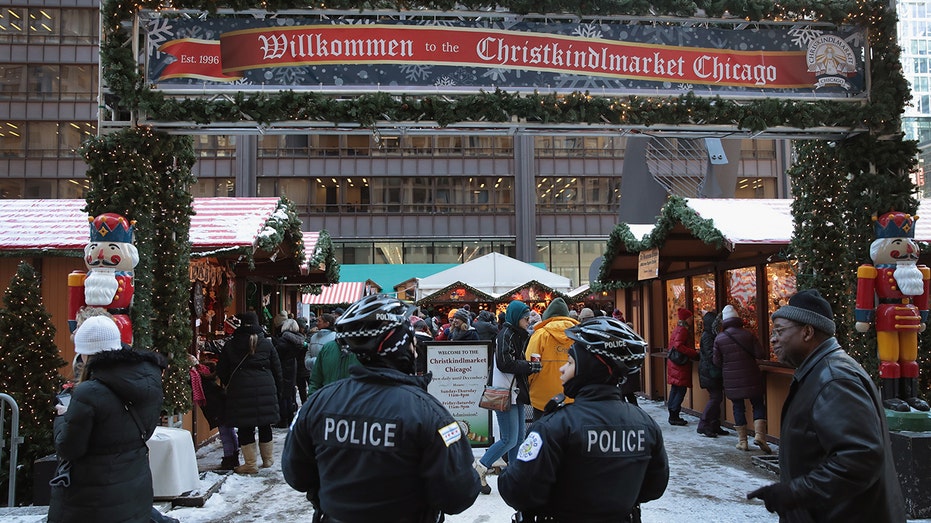
Christmas markets in Europe are not just lucrative tourist attractions; they have become ideological targets. The 2016 Berlin attack – a truck driven into the Breitscheidplatz market – remains the most iconic example. But foiled plots in Germany this year, including the arrest of five men in Lower Bavaria accused of preparing an attack after alleged calls for violence by an Islamic preacher, show the attraction endures.
Why Christmas markets?
- Symbolic value: They embody Christian cultural identity, Western consumerism and a festive, carefree public life – all elements despised by jihadist and some other extremist ideologies.
- Predictable vulnerability: Markets are seasonal but highly predictable in location, time and security posture. This regularity makes them easier to plan against.
- Media impact: An attack against families, children and tourists in a celebratory setting guarantees global coverage and emotional resonance.
Authorities have responded by hardening these spaces: concrete barriers, bag checks, more cameras, plainclothes officers and expanded legal authorities for surveillance. But the very measures taken to secure Christmas markets can also be leveraged politically – both by governments to justify expanded security powers and by extremists, who frame such fortification as proof that they are striking a nerve.
From Sydney to London: Global Echoes and Copycat Risks
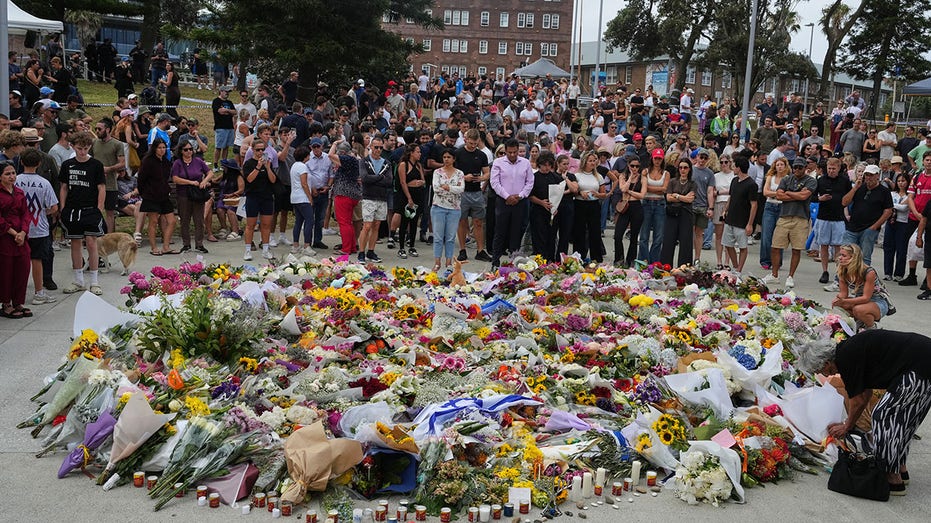
The Sydney shooting at a Hanukkah party, in which 16 people were killed, triggered heightened alerts in the U.K. and across Europe. Officials in London explicitly cited the attack in warning that large religious gatherings – including Jewish events and Christmas markets – are potential targets.
International case studies show that high-profile attacks often create short-term spikes in threats and plots elsewhere, for three reasons:
- Copycat dynamics: Individuals already on the cusp of violence see a “proof of concept” and may accelerate their plans.
- Media amplification: Saturated coverage can inadvertently serve as propaganda, especially when attackers are given significant biographical focus or ideological exposition.
- Polarization and backlash: Attacks on Jewish or Christian targets can fuel antisemitism, Islamophobia or broader communal tensions, which extremists on multiple sides exploit for recruitment.
London’s response – more armed patrols, stronger public messaging and a renewed “see something, say something” vigilance campaign – follows a familiar template. But it also raises long-running questions: How far can authorities go in securitizing public space before liberal democracies begin to erode the freedoms they aim to protect? And are community-based prevention and online interventions keeping pace with policing and intelligence tools?
Beyond Jihadism: The Convergence of Anti-System Extremes
The simultaneous disruption of a New Year’s Eve bombing plot in Southern California, allegedly by members of a radical anti-capitalist, anti-government group, underscores a crucial shift. We are no longer dealing with a single ideological threat but with multiple overlapping extremist currents:
- Jihadist and Islamist-inspired violence
- Far-right and white supremacist networks
- Far-left, anarchist, or anti-government extremists
- Hybrid and nihilistic actors drawing selectively from all of the above
Operationally, intelligence agencies have to manage all of these streams simultaneously, often with similar methods: online monitoring, undercover operations, financial tracking and cooperation with foreign services. Strategically, though, the drivers differ. Where jihadist narratives invoke transnational religious and geopolitical causes, the anti-capitalist group in California appears to have fixated on domestic corporate targets and anti-state resentment.
The common denominator is anti-system rage and the legitimization of violence as a political tool. Whether cloaked in religious language or ideological jargon, these actors view attacks on civilians and infrastructure as a way to puncture what they see as a corrupt, oppressive order. This forces policymakers to think less in siloed terms ("jihadism" vs. "far-right") and more in terms of the overall health of democratic institutions, trust in government and the social fabric.
What Mainstream Coverage Often Misses
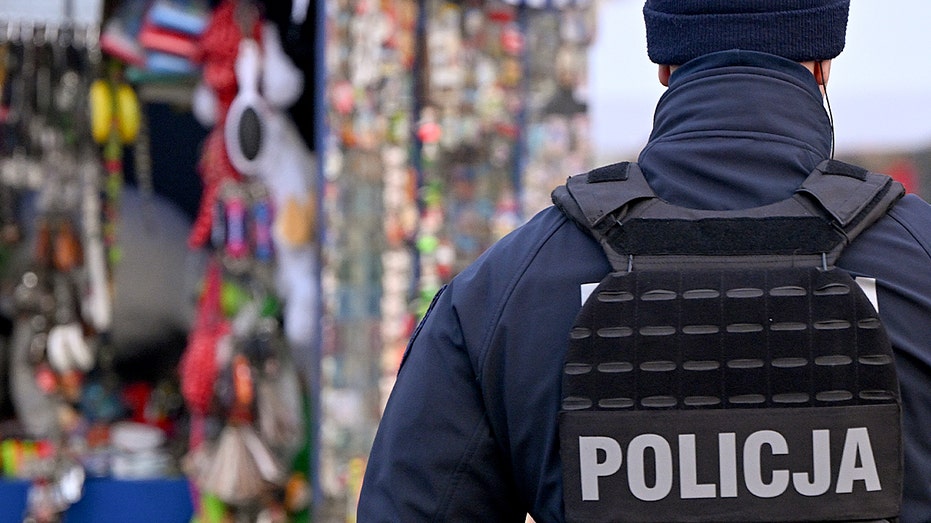
Most daily reporting on these plots focuses on the operational drama: the arrests, the number of suspects, the charges, the images of heavily armed police. Necessary, but incomplete. Several structural issues get less attention:
- Preventive vs. punitive balance: Are European states investing as much in early-stage prevention (education, online counter-narratives, family and community interventions) as they are in reactive counterterrorism?
- Regional disparities: Central and Eastern Europe, including Poland, historically saw fewer jihadist incidents. As the threat spreads, do these countries have the same institutional depth, legal frameworks and community trust built over years in Western states?
- Data on teen radicalization: Public debate often relies on anecdote. Yet security services and researchers are collecting data on age, pathways and online behavior that could inform targeted interventions, if released in responsible ways.
- Oversight and civil liberties: Expanded powers for intelligence agencies risk mission creep, especially in politically polarized environments. Independent oversight, judicial review and transparency are core but underreported parts of the story.
Expert Perspectives
Counterterrorism and radicalization experts emphasize that the age of the suspects is as significant as the ideology they claim.
European security scholar Peter Neumann has long argued that the "terrorist of the future" would be less of a trained operative and more of a self-radicalized, socially isolated individual whose ideological adherence is shallow but intense. Cases like the Polish 19-year-old appear to bear that out.
Meanwhile, sociologist Martha Crenshaw’s research on terrorism suggests that the availability of a narrative that justifies violence, combined with perceived personal grievances, is often more important than formal instruction or organizational structure. In Poland and Germany, the narratives circulated online – from ISIS propaganda to sermons calling for attacks – provide that justification; technical know-how is increasingly a matter of a few clicks.
At the same time, former intelligence officials warn against assuming that decentralization means reduced danger. Small-scale plots can still be lethal, and their unpredictability stretches already burdened security systems across Europe, especially during high-risk periods like religious holidays.
Looking Ahead: What to Watch
Several trends will determine whether events like the foiled Polish plot become sporadic incidents or part of a more serious resurgence:
- Digital policy and platform governance: How aggressively will governments and tech firms target extremist content, especially in encrypted or fringe spaces? And what safeguards will exist to prevent overreach?
- Youth-focused prevention: Are schools, youth services and mental health providers equipped to recognize early warning signs of radicalization, and do they have clear channels to escalate concerns without stigmatizing communities?
- Cross-border intelligence: The Polish, German, U.K. and U.S. plots underscore how rapidly threat information has to move across jurisdictions. Watch for deepening intelligence-sharing arrangements, but also for political frictions that may impede them.
- Impact of global crises: Conflicts in the Middle East, rising antisemitism, anti-Muslim sentiment, and economic insecurity all create fertile ground for radical narratives. Spikes in global tensions often correlate with increased threat levels.
The risk is not only more plots; it is the gradual normalization of a heavily securitized public sphere. If every Christmas market, Hanukkah celebration or New Year’s event becomes a zone of visible armed presence and public fear, the social cost will be paid even in years when no attack succeeds.
The Bottom Line
The foiled ISIS-inspired bombing plot in Poland, together with arrests in Germany and heightened alerts in the U.K. and U.S., is not just another seasonal security story. It’s a warning signal about a new phase of extremism defined by younger actors, digital ecosystems and a convergence of anti-system ideologies.
For policymakers, the challenge is dual: maintain robust, agile counterterrorism capabilities while investing in long-term prevention that addresses the social, psychological and digital pathways to radicalization. For citizens, the task is just as complex: stay vigilant without accepting a permanent state of fear, and insist that the defense of public safety does not come at the expense of the democratic freedoms that extremists are ultimately trying to destroy.
Topics
Editor's Comments
One of the most underexamined aspects of these cases is how much responsibility we place on digital platforms versus broader social structures. It’s tempting to frame youth radicalization as a content moderation problem: if only the bomb-making manuals and ISIS videos were removed faster, the logic goes, the threat would shrink. But that view risks ignoring why certain young people seek out this material in the first place. Economic insecurity, social isolation, mental health struggles, and a crisis of trust in institutions create a pool of individuals searching for meaning and agency. Extremist networks, whether jihadist or anti-government, then provide a ready-made narrative that transforms personal frustration into ‘heroic’ violence. That doesn’t absolve platforms of responsibility; algorithmic amplification clearly matters. Yet a purely technical fix will fall short. The more uncomfortable debate is about why our societies are producing enough disaffected young people that such narratives resonate—and what kind of educational, economic and civic reforms might make them less appealing over time.
Like this article? Share it with your friends!
If you find this article interesting, feel free to share it with your friends!
Thank you for your support! Sharing is the greatest encouragement for us.