Josh Allen’s Next Chapter: How Fatherhood and Identity Could Rewire the Bills’ Super Bowl Future

Sarah Johnson
December 18, 2025
Brief
Josh Allen’s MVP season, marriage, and impending fatherhood aren’t just feel-good milestones. They mark a deeper evolution in athlete identity, leadership, and Buffalo’s long-shot quest for a Super Bowl.
Josh Allen’s Evolution: From Franchise Quarterback to Cultural Anchor in Post‑Brady NFL
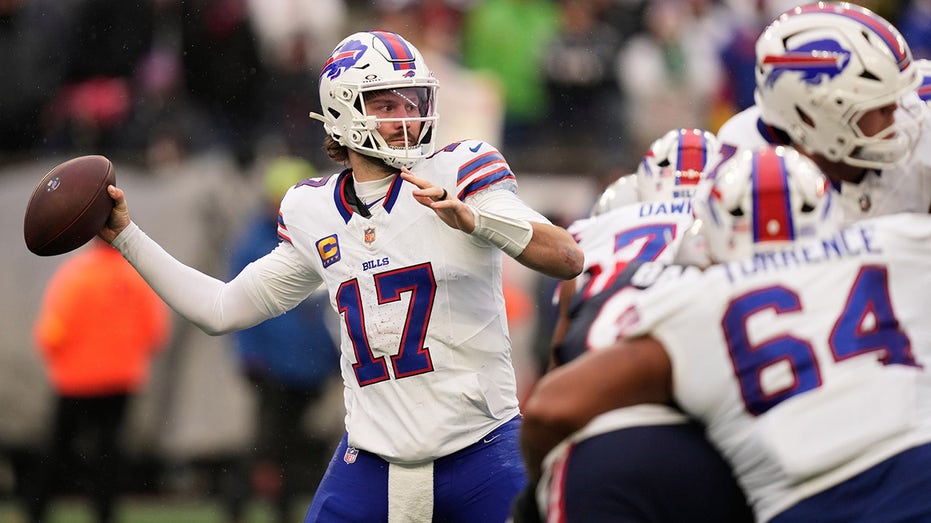
Josh Allen’s 2025 could be written as a sports fairy tale: NFL MVP, a new marriage to actress-singer Hailee Steinfeld, and now impending fatherhood while leading a once-cursed franchise into perennial contention. But the deeper story here isn’t just about personal milestones. It’s about how a modern superstar quarterback is redefining what it means to be the face of a team, a city, and a league at a moment when the NFL is searching for its next generation of cultural anchors.
When Allen says Steinfeld helped him realize he is “more than a football player,” he’s not simply talking about personal growth. That phrase captures a fundamental shift in how elite athletes understand their identities, their mental health, and their civic role – especially in mid-market, blue-collar cities like Buffalo.
From Raw Prospect to City Institution
To understand why Allen’s comments resonate, you have to go back to 2018. When the Bills drafted him seventh overall out of Wyoming, he was seen as the definition of a boom-or-bust prospect: huge arm, freakish physical tools, but accuracy issues and limited competition in college.
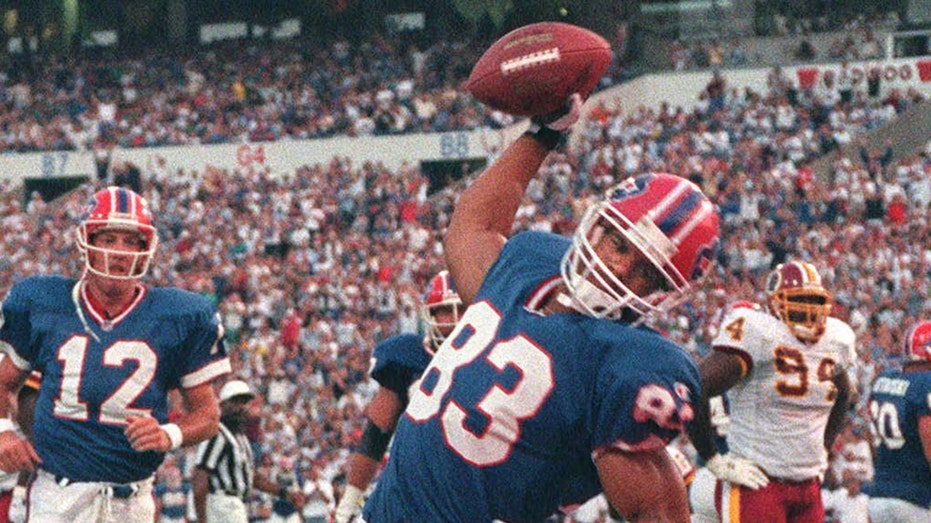
Historically, Buffalo had been haunted by its football past: four straight Super Bowl losses in the early 1990s, followed by a 17-year playoff drought from 2000 to 2017. The city’s identity became entangled with sports heartbreak and economic decline. Allen didn’t just step into a job; he stepped into a civic vacuum.
Since then, his trajectory has mirrored the franchise’s resurgence:
- 2018–2019: Raw but electric; flashes of brilliance mixed with inconsistency, yet enough to re-energize a fan base.
- 2020–2022: Ascendance into elite status, record-setting seasons, and the transformation of the Bills into annual Super Bowl contenders.
- 2023–2025: Cementing his role as one of the league’s defining quarterbacks, culminating in an MVP season and now a run at back-to-back awards.
When Allen says, “I consider this place my home… It’s a place that I’ll raise a family,” he’s doing something relatively rare in modern pro sports: signaling long-term emotional and personal investment in a small-market city instead of treating it as a professional stopover. For a franchise scarred by near-misses and exits, that matters.
Why “More Than a Football Player” Is a Loaded Statement
Allen’s October comment on Monday Night Football – “Maybe I am more than a football player” – sounded like an offhand reflection. Now, knowing he already knew he was about to become a father, it carries layered meaning.
At one level, it’s about maturity. Many high-profile quarterbacks hit an inflection point in their late 20s: they either double down on a singular, football-only identity, or they start broadening their sense of self. The latter is increasingly tied to performance longevity.
Over the past decade, elite athletes across leagues have started to talk openly about identity beyond sport. From Kevin Love’s mental health advocacy to Andrew Luck’s abrupt retirement to Tom Brady building an expansive off-field brand, the “just an athlete” model has eroded. Allen’s comment fits this wider shift – but it’s also a quiet protection against the brutal volatility of the NFL.
Quarterbacks face extreme pressure: their performance dictates livelihoods, franchise futures, and civic morale. A narrow identity – “I am only as good as my last throw” – is psychologically fragile. By recalibrating his sense of self around future fatherhood and relationships, Allen may be building the emotional buffer that allows him to sustain greatness without being consumed by it.
The Modern Quarterback as Civic Symbol
There’s another layer: the post-Brady NFL is actively searching for new faces of the league. Patrick Mahomes tops the list, but Allen is firmly in the group of quarterbacks – along with Joe Burrow, Lamar Jackson, C.J. Stroud, and Jalen Hurts – being positioned as era-defining figures.
Unlike Mahomes in Kansas City, Allen operates in a city with a long-standing underdog narrative. Buffalo’s economic struggles, harsh winters, and sporting heartbreaks have created a kind of communal chip-on-the-shoulder identity. When Allen says, “It’s where I’ve done a lot of growing up,” he’s aligning his personal development with the city’s own ongoing reinvention.
That’s not just sentimental. It’s strategically powerful. Teams that have sustained success around a star quarterback often benefit from a mutually reinforcing story: the city lifts the player, and the player rebrands the city. Think:
- Drew Brees and New Orleans post-Katrina
- Ben Roethlisberger and Pittsburgh as a blue-collar powerhouse
- Russell Wilson and Seattle as a tech-meets-grit city
Allen’s public embrace of Buffalo as “home” and future child-raising ground nudges him into that category of civic symbol, not just sports star.
Family, Focus, and Performance: The Trade-Off Myth
A common assumption in fan culture is that personal life developments – marriage, children, bigger public profile – risk distracting a player at the peak of their career. The narrative goes: more off-field obligations, less on-field dominance.
But the data and history are more nuanced. Many quarterbacks have had some of their best years after major life transitions:
- Peyton Manning won a Super Bowl in Denver while managing rehab, family life, and business interests.
- Drew Brees frequently cited fatherhood as sharpening his discipline and time management, not diluting his focus.
- Tom Brady won multiple titles after becoming a father, even as his off-field brand exploded.
The key variable isn’t whether a player has a busy personal life; it’s how clearly they can define roles, boundaries, and recovery. Allen pointed to his work-life balance becoming “more rigid” – that’s revealing. Rigid doesn’t mean joyless; it means he’s codifying routines because there are more people depending on him.
High-level sports psychologists often note that athletes with a strong identity outside their sport are better equipped to withstand slumps, criticism, and high-stakes failure. Buffalo’s roller-coaster seasons – including mid-season turbulence before the current hot stretch – put that resilience to the test. An Allen who sees himself as a husband and soon-to-be father, not only a quarterback, may be more emotionally durable in those stretches.
Buffalo’s Championship Window and the Pressure of Legacy
The football context matters, too. Allen is not having these realizations in a vacuum; he’s doing it while operating at MVP level in a league that rarely gives small-market teams endless chances.
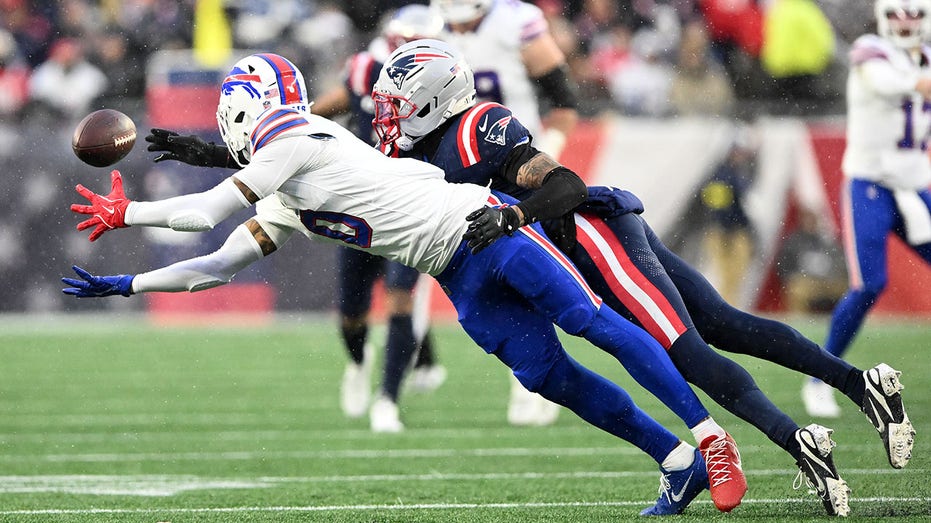
Buffalo’s current position – fighting into the playoff picture after a season of “ups and downs,” as the article notes, but now winning four of their last five – highlights the precarious nature of championship windows. The Bills have to navigate:
- Cap constraints tied to Allen’s major contract
- Key roster aging and turnover on both sides of the ball
- An AFC stacked with elite quarterbacks
Allen’s public dismissal of back-to-back MVP talk – “I’m just trying to do my job, just trying to find a way to get in the playoffs” – is more than boilerplate. It signals an important shift from individual validation toward legacy-building. He has his MVP. What eludes Buffalo is a Lombardi Trophy.
Historically, quarterbacks who transition from chasing stats to hunting rings often sharpen their situational decision-making: fewer hero-ball plays, more emphasis on situational football, and a deeper trust in coaching and system. Allen’s early-career knock was reckless decision-making despite his brilliance. A more grounded, family-centered Allen may actually be the version most likely to bring Buffalo its long-sought title.
What Mainstream Coverage Is Missing
Most surface-level coverage frames Allen’s 2025 as “MVP plus marriage plus baby equals feel-good story.” What it tends to miss are three deeper threads:
- The culture shift in athlete identity: Allen is part of a broader move away from one-dimensional sports personas toward multidimensional public figures who prioritize mental well-being, family, and long-term life planning.
- The civic dimension: In a city like Buffalo, a star quarterback openly committing to raising a family locally has economic and cultural significance — reinforcing fan loyalty, local business investment, and the franchise’s political leverage on stadium issues and community initiatives.
- The performance psychology angle: Allen’s comments hint at a more stable internal compass, which could translate into more consistent playoff performance and a higher probability of finally converting elite regular seasons into championships.
Looking Ahead: What to Watch
Several key questions will determine how this evolution plays out:
- On-field decision-making: Does Allen rely less on high-risk, high-variance plays and more on surgical, Brady-style efficiency in key moments?
- Public role in Buffalo: As he embraces fatherhood, does Allen deepen his involvement in local education, youth sports, or family-centered community programs, further entrenching his civic role?
- Team-building strategy: Do the Bills front office and coaching staff lean into this more mature Allen, building schemes and locker-room culture around his leadership style rather than just his arm talent?
- Media narrative: As his off-field life with a Hollywood partner and child grows more visible, does coverage veer into distraction narratives, or does Allen manage to keep the focus primarily on his leadership and play?
The Bottom Line
Josh Allen’s reflection that he’s “more than a football player” isn’t just a personal milestone; it’s a statement about where elite athletes and the modern NFL are headed. As he prepares to become a father in the city he now calls home, Allen is stepping into a role that blends superstar quarterback, civic symbol, and evolving public figure.
For Buffalo, that could be transformative. A more grounded, multidimensional Allen may be exactly what the Bills need to convert years of promise into a championship era — and to redefine what it means for a franchise quarterback to belong to a city, not just play for it.
Topics
Editor's Comments
There’s a subtle but important tension in Josh Allen’s current moment that’s easy to overlook. On one hand, he is embracing more roles—husband, soon-to-be father, civic figure. On the other, he is playing in a league that still structurally rewards a ruthless, all-consuming dedication to performance. The NFL salary cap, short career spans, and unforgiving playoff formats incentivize ultra-narrow focus. What we’re seeing with Allen, and a growing number of stars, is an attempt to push back against that structural reality by constructing a broader life that can sustain them emotionally. The open question is whether the league’s culture will truly accommodate this shift or simply romanticize it while still demanding the same old sacrifices. If Allen can both maintain MVP-caliber play and preserve a meaningful life outside the game, he doesn’t just change Buffalo’s fortunes; he helps redraw the template for what an NFL superstar is allowed to be. That, more than any single stat line, might be his most enduring legacy.
Like this article? Share it with your friends!
If you find this article interesting, feel free to share it with your friends!
Thank you for your support! Sharing is the greatest encouragement for us.