Maduro Under Siege: How Trump’s Oil Blockade Reshapes Venezuela’s Regime—and Its Future

Sarah Johnson
December 18, 2025
Brief
Trump’s tanker blockade hits Venezuela’s oil lifeline hard, but history shows sanctions alone rarely topple regimes. This analysis explains how Maduro may adapt—and why the real risks lie beyond oil.
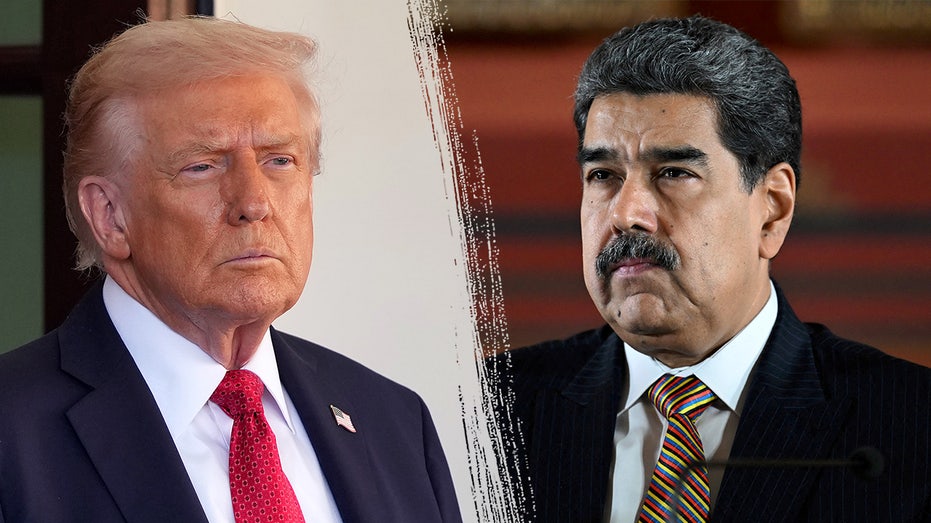
Maduro vs. Trump’s Oil Blockade: Why Cutting Off Venezuela’s Lifeline Might Still Not Bring the Regime Down
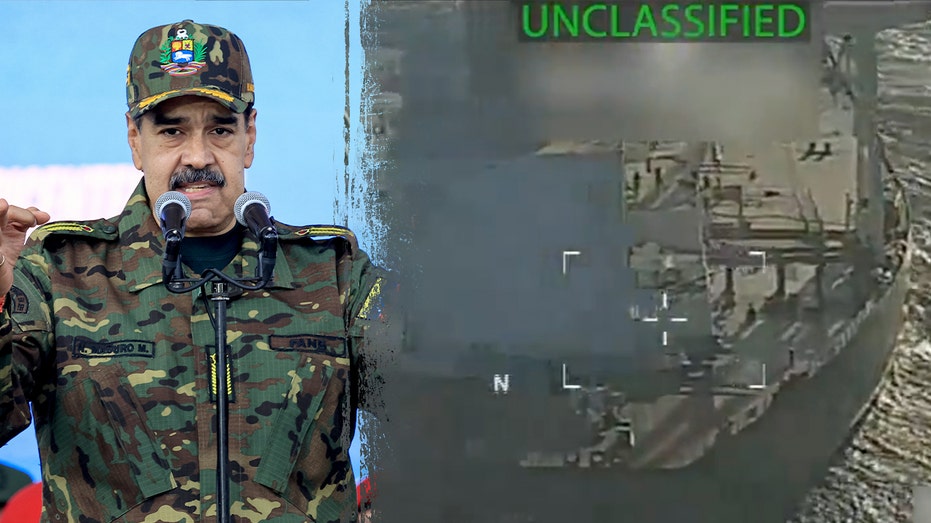
On paper, the latest U.S. escalation against Nicolás Maduro’s government hits the regime exactly where it is most vulnerable: oil. A tanker seizure, stepped-up enforcement against sanctioned vessels, and a de facto blockade on Venezuelan crude target the single revenue stream that keeps Maduro’s political machine alive. Yet history suggests that strangling oil money is as likely to transform Venezuela’s economy and geopolitics as it is to topple its ruler—and not necessarily in the way Washington intends.
The core question is no longer whether Venezuela is vulnerable—its economy is already shattered. The real question is how a cash-starved petro-authoritarian regime adapts, who fills the power vacuum around it, and what that means for Venezuelans, the region, and the global energy system.
How Venezuela Became the Textbook Case of Oil-Dependency Gone Wrong
Venezuela was once Latin America’s richest country. Oil made that possible—and then made it fragile.
- Long-term dependence: Since the mid-20th century, oil has provided the bulk of Venezuela’s export earnings and fiscal revenue. By the 1970s, the country was already a classic “resource curse” example: vast oil wealth, weak institutions, and a political class addicted to easy rents.
- Chávez and the politicization of PDVSA: When Hugo Chávez came to power in 1999, he turned state oil company PDVSA from a technocratic firm into a political arm of the government. Mass purges after a 2002–2003 strike chased out experienced engineers and managers. Production capacity began a steady decline long before sanctions.
- Oil as a foreign policy tool: Venezuela used oil to buy regional influence: subsidized shipments to Cuba, Petrocaribe deals in the Caribbean, and concessional oil-for-loans arrangements with China. That network is now a structural constraint: Caracas owes oil to creditors even when it desperately needs cash.
By the time U.S. oil sanctions hit in 2019, Venezuela’s economy was already collapsing under mismanagement, corruption, and hyperinflation. Sanctions accelerated a fall that had begun years earlier. Today, oil still accounts for more than 80% of exports and roughly 90% of government revenue—an extraordinary vulnerability that the new blockade seeks to exploit.
Why This Sanctions Round Is Different: From Tolerated Evasion to Active Enforcement
Previous rounds of sanctions were tough on paper but porous in practice. PDVSA adapted using opaque trading networks, intermediaries, and a growing “dark fleet” of tankers: vessels that switched flags, turned off trackers, and engaged in ship-to-ship transfers to mask Venezuelan origin.
The new U.S. posture is aimed not just at Venezuelan oil, but at the logistics infrastructure that makes evasion possible:
- Targeting the dark fleet: By pursuing tankers, insurers, and shell companies, Washington is attacking the shadow ecosystem that allowed sanctioned oil to keep flowing to Asia—especially China.
- Raising risk premiums: With tankers seized and 11 million barrels stranded on 39 vessels offshore, the perceived legal and financial risk of touching Venezuelan crude has spiked. That forces buyers to demand deeper discounts, more protective clauses, or abandon the trade altogether.
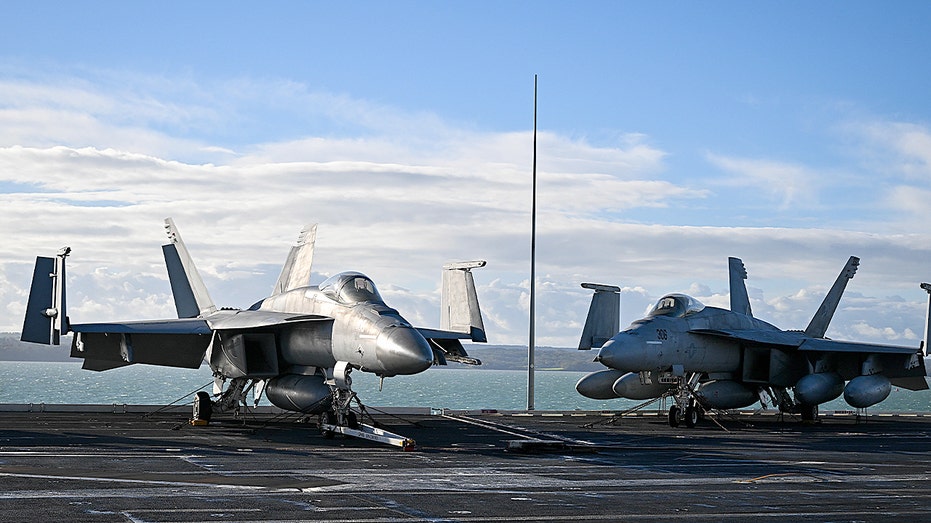
- Weaponizing maritime chokepoints: A “blockade” in this context is less about warships and more about legal, financial, and logistical harassment that makes shipping Venezuelan crude a bad bet for global shipping firms.
This transforms Venezuela’s oil exports from a high-risk but manageable business into a potentially toxic one. As economist Jorge Jraissati notes, the cargoes are “neither sold nor paid for” until they move—turning them into stranded assets that deepen PDVSA’s liquidity crisis.
What Oil Pressure Strikes at Inside Maduro’s Regime
In resource-dependent autocracies, oil revenue isn’t just fiscal—it’s political cement. Maduro uses oil cash to sustain a patronage and coercion system:
- Paying security forces: Salaries, bonuses, and off-book perks for the military and security services are crucial. When salaries erode, regimes often compensate with access to smuggling, illicit deals, or control of state enterprises.
- Buying elite loyalty: Top generals, party bosses, and business cronies are granted stakes in import licenses, construction contracts, or joint ventures—all ultimately dependent on hard currency from oil.
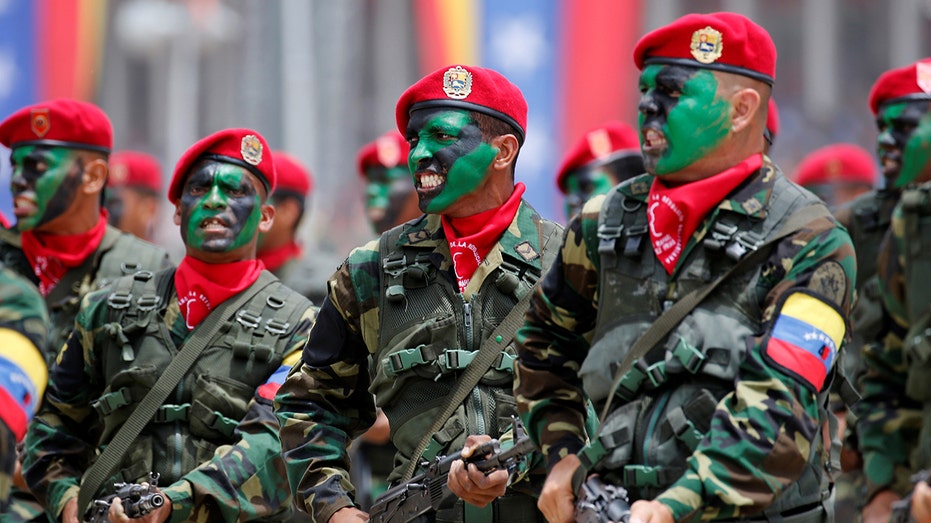
- Funding repression and surveillance: Intelligence agencies, paramilitary groups (colectivos), and state media all rely on state cash flows, directly or indirectly backed by oil.
By constraining cash flow, the blockade targets the regime’s ability to pay for obedience. This is why supporters of the policy see it as a “direct hit” on Maduro’s core power machinery rather than just another sanction.
Yet history warns that cutting revenue does not automatically translate into regime collapse. It can just as easily recalibrate incentives in more dangerous directions.
Authoritarian Survival 101: How Sanctioned Regimes Adapt
From Iran to Saddam Hussein’s Iraq to contemporary Russia, sanctions-heavy environments tend to produce similar patterns of adaptation:
- From public budgets to off-the-books cash: As formal state revenues shrink, regimes shift toward informal and illicit streams. Maduro’s growing reliance on narcotics trafficking, gold smuggling from the Orinoco Mining Arc, and money laundering fits this pattern.
- From broad welfare to narrow patronage: Social spending for the general population plummets, while resources concentrate on core supporters—especially the security apparatus. The result is deeper poverty but more loyal repressive forces.
- From diversified diplomacy to survival alliances: Isolated regimes lean harder on a narrower set of partners willing to absorb risk—Russia, Iran, and, above all, China. That increases those partners’ leverage over the regime.
Sanctions can therefore reconfigure the political economy rather than dismantle it. Maduro’s government has already shown a grim resilience: it survived hyperinflation, massive protests, competing claims to the presidency, and earlier sanctions waves. A harsher oil squeeze will hurt—but whether it breaks the system or merely hardens it into a leaner, darker version is still an open question.
The Hidden Costs: Venezuelan Society Is Already at a Breaking Point
Any serious analysis of this strategy must grapple with the social baseline: Venezuela is not starting from stability.
- Mass impoverishment: Credible estimates put poverty at around 80% and extreme poverty at about 50%, with many Venezuelans surviving on less than $3 a day. Public services—electricity, water, healthcare—are deteriorated or intermittent.
- Historic exodus: More than 8 million Venezuelans have left the country in the last decade, one of the largest displacements in the world. Persistent sanctions pressure risks accelerating this outflow, straining neighboring Colombia, Brazil, and other states.
- Informalization of survival: As the formal economy collapses, informal and illicit activity becomes central—from street trading to cross-border smuggling. Young people are particularly vulnerable to recruitment by criminal networks.
The moral logic behind oil sanctions—“the oil belongs to the Venezuelan people, not the regime”—is in stark tension with the short-term humanitarian reality: when hard currency falls, the regime cuts the population loose before it cuts security spending. Absent parallel humanitarian corridors and political sequencing, the pain will hit ordinary Venezuelans first and hardest.
The International Divide: Stability vs. Pressure
European concerns about the tanker blockade reflect a recurring strategic split:
- U.S. approach: Maximize pressure using secondary sanctions, shipping crackdowns, and financial tools to cut off revenue and force regime concessions or collapse.
- European and regional caution: Fear that over-tightening the screws will fuel instability, migration, and criminal activity in an already fragile region, while hardening Maduro’s inner circle.
Latin American governments are split as well. Countries bearing the brunt of migration and cross-border crime often want Maduro weakened but not necessarily a chaotic implosion next door. Others are wary of appearing to endorse U.S.-driven coercive measures after decades of contentious intervention in the hemisphere.
This debate is not simply ideological; it is about risk allocation: Should the risk of regime survival fall on Venezuelans and regional neighbors or on the Western governments that have decided escalation is necessary?
What’s Being Overlooked: China, Criminal Economies, and the Risk of a “Narco-State 2.0”
Three underdiscussed dynamics deserve more attention than they usually get in daily coverage.
1. China’s Quiet Leverage
China reportedly accounts for around 60% of Venezuela’s oil exports when counting direct and indirect flows. Over the last 15 years, Beijing has extended tens of billions of dollars in oil-backed loans to Caracas.
As legal oil exports face tighter constraints and deeper discounts, China can exploit its position as a near-monopsony buyer:
- Demand steeper discounts in exchange for taking on shipping and sanctions risk.
- Leverage restructuring of existing oil-backed debts for political or commercial concessions, including control of upstream assets or infrastructure.
- Position itself as the indispensable lifeline, increasing its geopolitical influence in the Western Hemisphere precisely as Washington seeks to reduce hostile foreign presence there.
2. Criminal Economies Filling the Gap
As former U.S. officials note, regimes under heavy sanctions lean on illicit funds. In Venezuela’s case, this includes:
- Drug trafficking: Elements within the security forces and ruling elite—often referred to as the “Cartel of the Suns”—have long been implicated in moving cocaine from Colombia through Venezuelan territory.
- Gold smuggling: Informal and often violent mining in the south has become a major revenue source, controlled by a mix of armed groups, military actors, and political allies.
- Human smuggling and extortion: Criminal organizations profit from facilitating migration and controlling informal economies.
The risk is that as oil becomes harder to monetize legally, these sectors become even more central to regime survival, accelerating Venezuela’s drift toward a hybrid criminal–authoritarian state.
3. Institutional Erosion and Post-Maduro Chaos
Many policy discussions frame the question as binary—Maduro falls or survives. But there is a third, more complex scenario: the regime fragments, but no capable, legitimate institutions are ready to govern.
Decades of politicization, corruption, and brain drain have hollowed out the state. PDVSA is technically weakened; the judiciary is politicized; local governments are underfunded. If a sudden revenue shock triggered elite infighting or partial collapse, it’s not clear who would control the armed forces, the oil fields, or the humanitarian response the next day. That is the scenario many regional actors fear most.
What to Watch in the Coming Months
Several indicators will reveal whether the blockade is destabilizing Maduro’s inner circle or merely forcing deeper adaptation:
- Military defections or reshuffles: High-level purges, unexplained arrests, or public defections from the armed forces would signal internal stress.
- Shifts in oil flows: If tanker traffic and export volumes to Asia fall sharply or become more circuitous and opaque, the blockade is biting.
- Changes in discounts and payment terms: Larger discounts to buyers and more complex barter or oil-for-debt deals indicate PDVSA’s bargaining position is weakening.
- Domestic unrest: New waves of protests, especially if joined by public sector workers and previously loyal sectors, could become a political multiplier for sanctions-induced economic pain.
- Negotiation signals: Moves by Caracas to re-engage in talks, offer election concessions, or seek humanitarian agreements could show that pressure is reshaping its calculus.
The Bottom Line: Pressure Is Necessary—but Not Sufficient
The current U.S. strategy is qualitatively different from previous rounds: it attacks the logistics and financial scaffolding that allowed Venezuelan oil to flow despite sanctions. That clearly weakens Maduro’s cash flow and squeezes his ability to fund repression and patronage.
But oil pressure alone is unlikely to topple the regime. Without a parallel political strategy, credible guarantees for key actors, and serious planning for humanitarian stabilization, the most probable outcomes are:
- A poorer, more criminalized, more externally dependent Maduro regime;
- Or a messy, partial fragmentation of state authority with no clear, legitimate successor ready to govern.
Whether this campaign becomes the turning point its architects hope for will depend less on the number of barrels stranded offshore than on the diplomatic and political architecture built around the sanctions themselves. Oil may be the regime’s weak spot—but it is also the country’s, and that double-edged reality is what will determine what comes after the blockade.
Topics
Editor's Comments
One of the most underappreciated aspects of the current strategy is how little it addresses the ‘day after’ problem. Western policymakers are betting that enough economic pressure will either force Maduro to bargain or cause his coalition to fracture. But they have not articulated what a realistic, sequenced transition would look like in a country whose institutions have been hollowed out for years. Who secures the oil fields? Who runs PDVSA during restructuring? How are the armed forces integrated into a new order without simply reproducing the current power pyramid? Without answers to those questions, escalating sanctions becomes less a path to democracy and more a high-stakes gamble that pain will somehow produce order. History—whether in Iraq after 2003 or Libya after 2011—suggests that collapsing a dysfunctional system is far easier than building a functional one in its place. That disquieting lesson should be front and center as tanker seizures and blockades raise the pressure on Caracas.
Like this article? Share it with your friends!
If you find this article interesting, feel free to share it with your friends!
Thank you for your support! Sharing is the greatest encouragement for us.