Millie Bobby Brown’s New Name and Life: A Deep Dive into Modern Identity, Marriage, and Family Roles

Sarah Johnson
December 3, 2025
Brief
Millie Bobby Brown’s transition into marriage, motherhood, and rural life reflects evolving norms around identity, family roles, and celebrity authenticity, challenging traditional expectations with modern values.
Opening Analysis
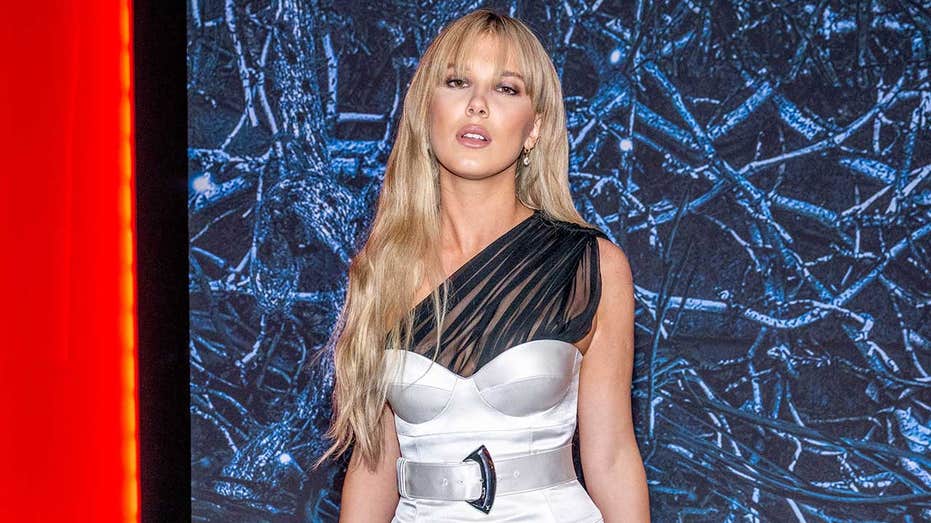
Millie Bobby Brown’s recent revelation of adopting the married name “Millie Bonnie Bongiovi” offers more than a celebrity update—it reflects evolving norms about identity, young adulthood, and family roles in the 21st century. Her journey from child star to wife, mother, and rural homesteader challenges cultural expectations often assigned to women her age and position. Understanding her choices sheds light on larger societal conversations about marriage timing, gender roles, the nature of fame, and parenting in the modern era.
The Bigger Picture
Historically, the intersection of celebrity culture and traditional milestones such as marriage and parenthood has always fascinated the public. Yet the trajectory Millie Bobby Brown follows diverges from past Hollywood patterns that often celebrated late marriages and delayed parenthood for career longevity. Brown, who rose to fame as a teenager on the global hit "Stranger Things," has embraced marriage and motherhood at ages 20 and 21 respectively, amid growing debates about the appropriate timeline for these life events.
This shift resonates with broader generational trends. Recent data shows a decline in average age of first-time parenthood among certain groups, partially propelled by economic factors, evolving relationship dynamics, and shifting perceptions of adult responsibilities. Meanwhile, the image of rural homesteading and farm life as a rejection of urban celebrity hustle connects to a romanticization of simplicity and authenticity prevalent among younger generations disillusioned with digital saturation.
What This Really Means
Brown’s decision to drop her original surname and adopt her husband’s name in full signals a nuanced negotiation of identity. Unlike the typical practice of shortening or hyphenating, she embraces the full Bongiovi name, associating herself openly with a family legacy connected to music royalty—Jon Bon Jovi’s lineage—while simultaneously carving out her own legacy.
Her early marriage and adoption of a child contrasts with the Hollywood norm of maintaining an independent “brand” by delaying family commitments. Brown’s open acknowledgment of young parenting and shared parental responsibilities challenges traditional narratives around gender roles, notably emphasizing the 50-50 partnership with her husband. This redefinition intersects with feminist discourses advocating equality in domestic labor and childrearing.
Moreover, her embrace of farm life paired with a rejection of 'trad wife' stereotypes complicates popular perceptions of rural domesticity. By explicitly rejecting any aestheticized or performative aspect to her lifestyle, Brown spotlights the often overlooked grit and chaos inherent in such a life. This challenges sanitized social media portrayals and suggests a yearning for genuine, lived experiences amidst celebrity gloss.
Expert Perspectives
- Dr. Joanna Simmons, Sociologist specializing in family trends: "Brown’s path reflects a hybridization of traditional and modern values. Early marriage and parenthood, once stigmatized, are now being reclaimed as personal choices rather than societal impositions, especially among millennials and Gen Z seeking authenticity."
- Prof. Mark Richards, Media Studies Expert: "Her public persona balancing celebrity with down-to-earth farm life is a strategic narrative that resonates with audiences craving relatability from stars. It symbolizes a shift from curated celebrity branding to candid self-presentation."
- Dr. Emily Hartman, Gender Studies Scholar: "Millie’s equal-sharing of parenting duties disrupts entrenched gender norms, promoting a progressive model for young parents. This is important given persistent disparities in domestic labor."
Data & Evidence
Recent studies indicate the average age at first marriage in the U.S. rose from 23 (for women) in 1970 to nearly 28 by 2020. However, the teenage and early-twenties segment is diversifying, with anecdotal evidence showing early life milestones gaining positive reframing among some groups.
According to Pew Research, 56% of two-parent households report that childcare responsibilities are shared equally, a figure increasing among younger couples but still with significant gender discrepancies. Brown’s explicit 50-50 split thus aligns with but slightly exceeds normative data, highlighting a progressive model.
On social media trends, influencer culture around “trad wives” surged in recent years, yet also sparked backlash for idealizing gender norms. Brown’s candid discussion undermining the sanitized image of rural domesticity provides a counter-narrative to this movement.
Looking Ahead
Millie Bobby Brown’s public embrace of her married name, motherhood, and rugged rural lifestyle may signal cultural shifts with wider implications. As public figures normalize alternatives to delayed marriage and childbearing, we may see less stigmatization around young adult family formation.
Her example might encourage more equity-focused domestic partnerships, especially among younger demographics witnessing evolving gender expectations. Additionally, the growing interest in authentic lifestyles over curated personas could reshape celebrity-fan dynamics, pushing the entertainment industry to value vulnerability and realism.
However, sustaining such a lifestyle under intense public scrutiny will likely be challenging. The balancing act between privacy, public narrative control, and genuine experience will remain a complex frontier for modern young celebrities.
The Bottom Line
Millie Bobby Brown’s name change and life choices epitomize a thoughtful redefinition of identity, partnership, and family in contemporary youth culture. By blending traditional milestones with progressive partnership dynamics and candid rural living, she challenges stereotypes both in and outside Hollywood. This story offers a window into broader societal dialogues about authenticity, gender roles, and what it means to grow up in the spotlight today.
Topics
Editor's Comments
Millie Bobby Brown’s trajectory from teenage star to married mother recently adopting a rural lifestyle is a compelling case study in how young celebrities negotiate their public and private selves amid shifting cultural landscapes. Her openness about young motherhood and partnership equality invites renewed discussion on autonomy and gender norms. Yet it also raises questions: How sustainable is this balance under relentless public gaze? Will her choices influence broader societal attitudes or remain exceptional due to celebrity status? Observing Brown’s journey offers critical insights into the interplay between identity, fame, and evolving definitions of adulthood today.
Like this article? Share it with your friends!
If you find this article interesting, feel free to share it with your friends!
Thank you for your support! Sharing is the greatest encouragement for us.