Beyond the Box Score: How a Week of Sports Scandals Signals a Deeper Power Shift

Sarah Johnson
December 18, 2025
Brief
Sherrone Moore’s downfall, NIL politics, Mahomes’ ACL tear, and a transgender volleyball dispute reveal how law, money, and culture wars are rapidly reshaping the power structure of college and pro sports.
College Sports at an Inflection Point: Power, Money, and Identity Behind a Week of ‘Sports’ Headlines
This newsletter-style roundup looks, at first glance, like a scattershot week in American sports: a fired national-championship coach jailed after a scandal, Patrick Mahomes’ season-ending ACL tear, a Heisman breakthrough at Indiana, NIL politics at the presidential level, a lawsuit-laced clash over transgender participation in women’s volleyball, and even the Knicks hanging a new banner. But taken together, these stories sketch something deeper: college and pro sports are being fundamentally reshaped by money, gender politics, legal risk, and the shifting power of athletes versus institutions.
In other words, this isn’t just a bad week for Michigan or the Chiefs. It’s a snapshot of how the old model of American sports governance is cracking under simultaneous pressures—financial, cultural, and political—that aren’t going away.
How Sherrone Moore’s Fall Exposes the Fragility of the Modern College Coach
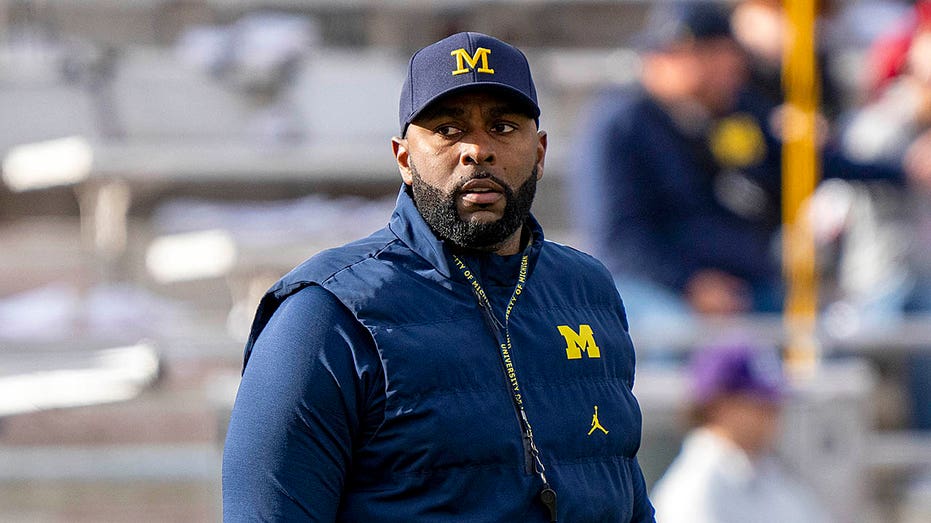
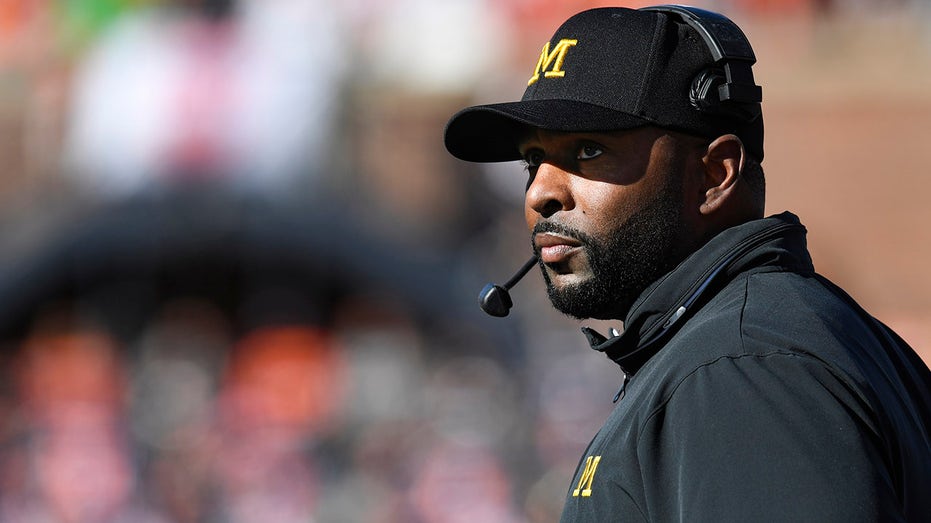
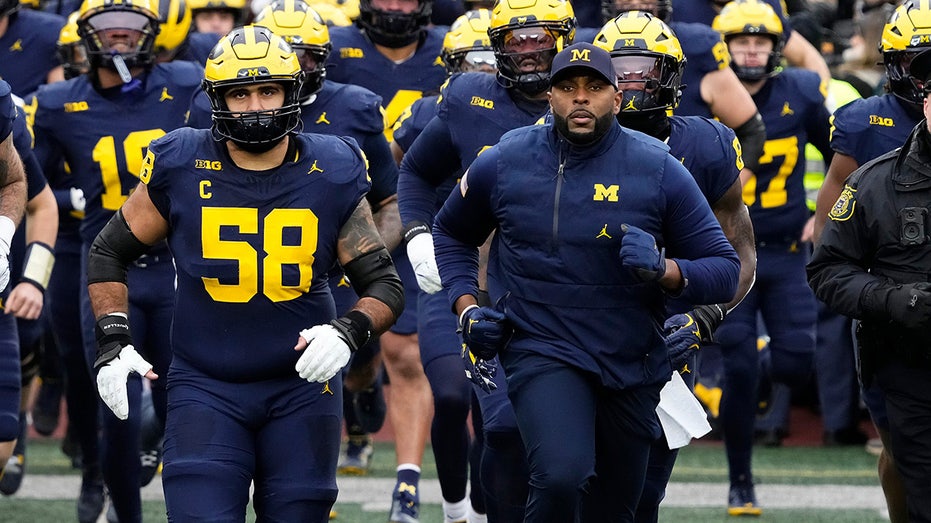
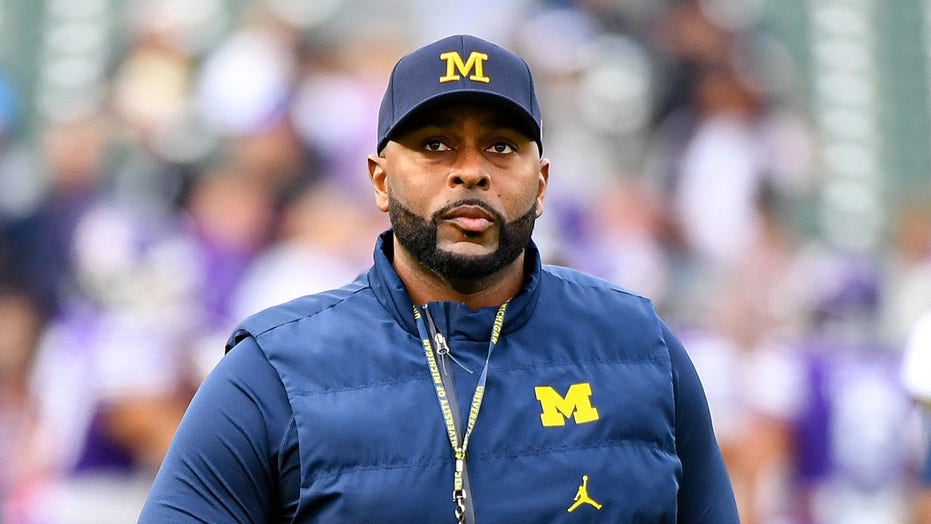
Sherrone Moore’s trajectory—from leading Michigan to a national title as Jim Harbaugh’s successor to being fired for an “inappropriate relationship” with a staffer and booked into jail—captures how fast the ground is shifting under college coaches, especially at football factories where the head coach functions as the CEO of a nine-figure enterprise.
Historically, flagship programs often absorbed or buried scandal when winning was involved. The 1980s and 1990s were filled with examples of coaches surviving serious allegations as long as revenues and trophies kept coming. Today, three forces make that much harder:
- Title IX and workplace law risk: Relationships with subordinates aren’t merely “private matters” anymore; they’re potential evidence of hostile workplace environments and unequal power dynamics. Universities are acutely aware that mishandling one case can lead to multi-million-dollar settlements and federal scrutiny.
- Brand sensitivity: Big Ten programs like Michigan aren’t just athletic departments; they’re billion-dollar brands tightly integrated with university fundraising, donor relations, and national reputation. A scandal that undermines perceived integrity threatens far more than just Saturday’s game.
- Camera-on-everything era: Players, staffers, and even fans document everything. Institutions assume that if something went wrong, it will eventually go public.
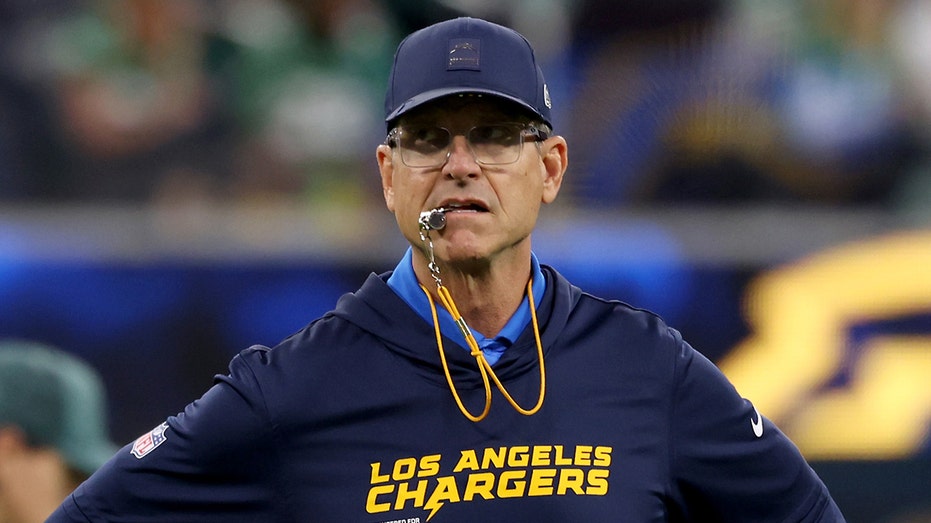
Jim Harbaugh calling the situation a “tragedy” signals how coaches see this new landscape: the personal and professional lines that once offered them protection are now political, legal, and media minefields. The deeper tragedy for programs is stability: Michigan moved quickly from a national championship peak to leadership chaos in less than a year. In an era of the transfer portal and instant athlete mobility, instability at the top is more costly than ever.
NIL, Trump, and the Fight Over Who Controls College Sports
Ed Orgeron’s call for Donald Trump to be “more involved” in NIL (Name, Image, Likeness) regulation, following a “Saving College Sports” executive order, reflects a core tension: who will own the economic future of college athletics—schools, athletes, or outside power brokers?
Since 2021, NIL has unleashed a quasi-free market for college athletes, layered on top of an already chaotic system of booster collectives, uneven state laws, and weak national enforcement. The result is what many coaches describe as “free agency without rules.”
Orgeron’s plea is telling for two reasons:
- Coaches are asking for centralized power: A generation that once fiercely resisted federal interference is now begging for Washington to impose guardrails—because absent those, recruiting and retaining players becomes an arms race they feel they can’t control.
- Executive order as sports policy: Traditionally, sports regulation has come from Congress (e.g., antitrust exemptions, Title IX enforcement) or the courts. Using executive orders to reshape the NIL environment signals a more overt politicization of college athletics, where sports policy becomes a campaign plank.
Behind the rhetoric about “saving” college sports is a real policy question: can you maintain the fiction of amateurism while money flows like professional free agency? Recent court decisions and pending antitrust cases suggest the old model is dying. Orgeron’s call is less about restoring that model and more about slowing the transition to fully professionalized college athletics—especially football.
The Volleyball Lawsuits: When Culture War Meets Campus Sport
The battle swirling around San Jose State’s women’s volleyball program—former players Brooke Slusser and Blaire Fleming trading accusations, lawsuits, and public recriminations involving claims about health, academics, and a biological male teammate—might sound like just another campus controversy. It isn’t. It’s a preview of how disputes over transgender participation in women’s sports will increasingly be fought: through litigation, affidavits, and dueling narratives rather than purely policy or science.
Key dynamics that make this case nationally important:
- Legal framing of inclusion vs. fairness: Title IX was written in 1972, long before today’s gender identity debates. Courts are now being asked to decide whether “sex” in sports law is biological, legal, or self-identified, with huge implications for women’s teams at every level.
- Weaponization of reputations: When disputes over playing time, room assignments, and team dynamics get litigated, every allegation—about academics, mental health, or locker room discomfort—becomes leverage. That’s a very different environment from the coach-controlled culture of even 10–15 years ago.
- Coaches as political actors: Former assistant coach Melissa Batie-Smoose publicly defending one player’s version of events is notable. Staff who once stayed quiet to keep jobs now realize they, too, are potential witnesses—or targets—in politically charged cases.
Regardless of where one stands ideologically, the overlooked reality is operational: athletic departments are not equipped to function as quasi-courts resolving deeply contested questions of gender, privacy, and fairness. Yet that is exactly what many are now being forced to do.
Mahomes’ ACL, the Chiefs’ Slide, and the Economics of a Broken Star System
Patrick Mahomes tearing his ACL in Week 15 and the Chiefs missing the playoffs for the first time in more than a decade are more than a football story; they expose how much modern pro leagues gamble on a few megastars to sustain attention, ratings, and revenue.
The NFL has deliberately marketed itself as a quarterback-driven league. When one of its most marketable faces goes down:
- Broadcast partners take a hit: Prime-time games featuring the Chiefs were cornerstone ratings plays. A star-less playoff run is less marketable, and that flows into ad rates and network strategies.
- Competitive cycles accelerate: Commentators are already asking if Kansas City needs a “roster reset.” Salary cap constraints mean that one injury can expose how thin the rest of the roster is, especially when a QB consumes a large share of cap space.
- Player health vs. product demands: The league added a 17th regular season game without lengthening the recovery window. As injuries mount, the NFL’s long-term problem isn’t just concussion risk; it’s the sustainability of a system that demands maximum output from a small number of stars for as many years as possible.
Mahomes will likely return—sports medicine outcomes for ACL tears are far better than they were two decades ago—but each major injury to a marquee QB forces the league and its teams to confront whether the current economic model is overly fragile.
The Heisman at Indiana and the New Geography of College Football Power
Indiana quarterback Fernando Mendoza becoming the first Hoosier to win the Heisman Trophy is more than a feel-good story; it’s evidence that the power map of college football is quietly flattening.
For decades, Heisman winners overwhelmingly came from a small cluster of powerhouse programs in talent-rich regions—USC, Alabama, Ohio State, Oklahoma, Notre Dame, Florida State. A winner from Indiana tells us:
- NIL and the portal are redistributing talent: Players can leave crowded depth charts at blue bloods for immediate stardom at programs that offer the right mix of playing time, scheme, and NIL opportunity.
- Media exposure is less regionally constrained: Streaming, social media, and nationalized coverage mean you can build a Heisman campaign from almost anywhere if the numbers and highlights are compelling.
- Conference realignment’s ripple effects: As conferences expand and schedules become more national, “middle-tier” programs get more high-profile matchups—crucial for awards and recruiting.
This doesn’t mean Indiana is about to become the next Alabama. But the symbolic power of its first Heisman winner reinforces a broader trend: the barriers that once kept certain programs permanently on the outside are lower than they’ve been in decades.
Opting Out, Opting In: Notre Dame, Bowl Games, and the New Athlete Calculus
Notre Dame’s decision to opt out of a bowl game after missing the 12-team College Football Playoff, and running back Jeremiyah Love’s quick move to “get over” the snub and support the choice, underline how college athletes’ incentives have changed.
For years, bowls were treated as sacred rewards. Now:
- Risk-reward is explicit: Players facing NFL futures weigh the injury risk of a non-playoff bowl against training, draft prep, and NIL deals. Opting out is no longer taboo; it’s normalized.
- Playoff expansion devalues second-tier bowls: Once you define a small set of games as the real postseason, everything else becomes exhibition in the eyes of top players.
- Brand management is two-way: Schools ask if a lower-tier bowl is worth the travel, distraction, and potential criticism if star players sit. Players ask if it’s worth risking long-term earnings.
This shift quietly erodes one of the NCAA’s most marketable traditions. It also hints at a near-term future where postseason structures will have to be radically redesigned to align with the new economic reality of player power.
From Knicks Banners to Bills Prayers: Sports as Civic Identity and Emotional Infrastructure
Two smaller stories in the roundup reveal something easy to miss: how deeply sports are entwined with civic identity and emotional resilience.
The New York Knicks winning the NBA Cup—and a mayor-elect predicting a “June banner” and an end to a 50-plus year title drought—underscores how a single franchise can function as a city’s emotional shorthand. The NBA Cup is technically a new, secondary competition, yet in a market like New York, it becomes a canvas for projecting hope, renewal, and political branding. When politicians tie themselves to a team’s success, they’re tapping into a reservoir of loyalty more durable than many party affiliations.
Meanwhile, the Buffalo Bills finding themselves blocks away from a deadly shooting at Brown University, then gathering in prayer, is a stark reminder that pro athletes are not insulated from the broader social crises around them. For a community still defined, in part, by the trauma of the 2022 racist mass shooting at a Buffalo supermarket, the image of the team responding collectively to violence near their travel party reinforces the role of sports teams as civic anchors and emotional focal points in times of fear.
What Ties All These Stories Together
From Moore’s fall to Mahomes’ injury, from NIL politics to gender-identity lawsuits, a few through-lines emerge:
- Legalization of everything: Disputes that once stayed inside locker rooms and athletic offices now routinely become lawsuits, federal investigations, or national political talking points.
- Athletes as economic actors: Whether it’s NIL decisions, transfer moves, or opting out of bowls, players are making choices the way professionals do—because in practical and financial terms, many of them are professionals.
- Institutions playing catch-up: Universities, leagues, and governing bodies are stuck between old narratives (amateurism, loyalty, tradition) and new realities (contracts, brand management, social media scrutiny).
- Sports as a stage for cultural conflicts: Debates over gender, labor rights, safety, and political power are increasingly playing out through sports stories, because sports remain one of the last mass cultural experiences Americans share.
Looking Ahead: What to Watch
Going forward, the most important developments are unlikely to be single games or awards, but structural changes:
- New federal or state NIL regulations that either formalize college athletes as employees or create a hybrid status with collective bargaining rights.
- Landmark Title IX or civil rights cases that clarify how transgender participation will be handled in women’s sports nationwide.
- Expanded use of guaranteed contracts, insurance products, and medical data in both college and pro sports as injury risk to stars like Mahomes is quantified ever more precisely.
- Conference and postseason reforms as bowls lose relevance and athletes increasingly dictate when and where they will play.
The headline churn will keep moving—another coach fired, another star injured, another lawsuit filed. But underneath, a fundamental renegotiation is underway about who controls sports, who benefits from them, and what values they are supposed to reflect.
The bottom line: This week’s seemingly disconnected sports stories aren’t noise; they’re early chapters in a larger transformation. The institutions that adapt—legally, ethically, and economically—will define the next era of American sports. Those that cling to old assumptions may find that a single scandal, a single ACL tear, or a single lawsuit can unravel decades of perceived stability.
Topics
Editor's Comments
What’s striking about this batch of stories is not their sensationalism but their accumulation. Each one—Moore’s firing, the NIL executive order, the transgender volleyball dispute, Mahomes’ injury—could be dismissed in isolation as just another sports headline in an endless cycle. Viewed together, they feel more like stress tests on the underlying architecture of American sports. Our institutions are still pretending that the basic model is intact: college athletes are amateurs, gender categories are straightforward, coaches are moral leaders, and pro leagues can always find the next star. But the fraying is visible. Legal disputes are no longer outliers; they’re central. Political actors are no longer hovering at the edges; they’re actively reshaping policy. The unresolved question is whether the industry will proactively redesign itself around transparency, shared governance, and clearer economic relationships, or whether it will continue to patch holes until a major crisis forces a reckoning under far less favorable conditions.
Like this article? Share it with your friends!
If you find this article interesting, feel free to share it with your friends!
Thank you for your support! Sharing is the greatest encouragement for us.