Travis Kelce’s Postgame Silence vs. ESPN’s Rage: The Real Power Struggle Behind a 30-Second Snub

Sarah Johnson
December 18, 2025
Brief
Travis Kelce’s postgame media snub isn’t just about etiquette. It exposes a deeper power struggle between athlete-run podcasts, traditional sports media, and who controls the NFL narrative in crisis moments.
Travis Kelce vs. The Media: What One Postgame Snub Reveals About the Future of Sports, Power, and Access
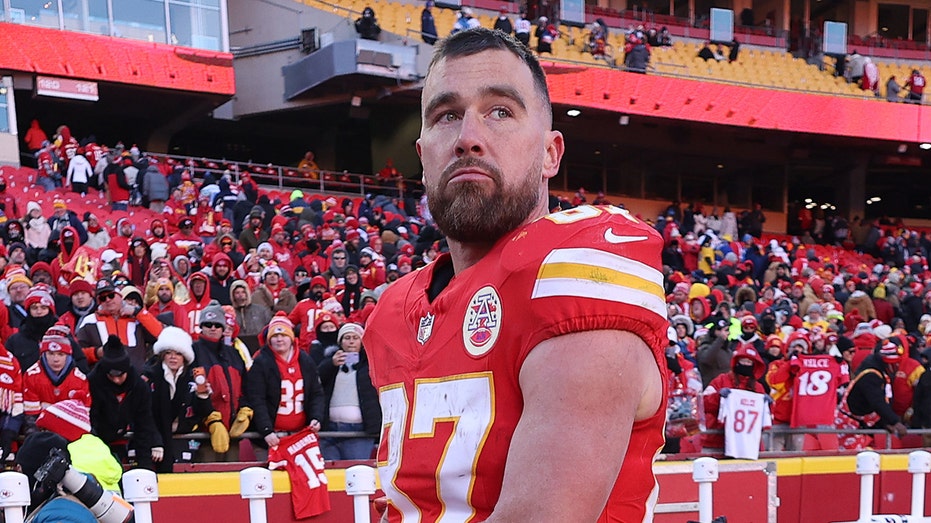
Travis Kelce declining to speak with reporters after the Kansas City Chiefs’ season-collapsing loss would normally be a one-day story. Instead, an ESPN rant and a shot at his “New Heights” podcast turned it into a cultural flashpoint. This isn’t really about one tight end blowing off a postgame scrum. It’s about who controls the sports narrative in 2025: legacy media, teams, or star-athlete content empires.
When Chris “Mad Dog” Russo rails against Kelce’s “stupid podcast” and defends beat reporters who “cover the football team every day for seven months,” he’s not just venting. He’s voicing an existential anxiety inside traditional sports media: athletes with massive platforms no longer need postgame microphones to be heard. That shift is quietly rewriting the rules of accountability, fandom, and even labor dynamics in the NFL.
How We Got Here: From Locker Rooms to Direct-to-Fan Empires
For decades, the unwritten bargain in American sports was simple: leagues and players supplied access; media supplied publicity, context, and, crucially, scrutiny. Postgame interviews were the toll athletes paid to benefit from the media machine. In return, local reporters built careers chronicling every snap, storyline, and human moment.
That bargain began to fray in three phases:
- Phase 1 – Controlled Access (1990s–2010s): Teams and leagues curated access but still relied heavily on newspapers, radio, and TV. The locker room scrum and postgame presser became ritualized, often governed by league rules and union agreements.
- Phase 2 – Social Media Era: With Twitter, Instagram, and YouTube, stars like LeBron James, Kevin Durant, and Tom Brady learned they could bypass reporters and speak directly to millions. Traditional outlets still mattered, but they were no longer gatekeepers.
- Phase 3 – Athlete-Run Media Brands: Podcasts like “New Heights,” “The Pat McAfee Show,” “The Draymond Green Show,” and platforms like The Players’ Tribune turned athletes into their own media companies—controlling topics, framing, editing, and timing.
Kelce is squarely in Phase 3. “New Heights,” co-hosted with his brother Jason, isn’t just a vanity project; it’s a monetized, brand-building machine. It gives him leverage with sponsors, fans, and even teams. And that’s exactly what makes Russo’s rant feel less like a pure defense of beat writers and more like a proxy war between old and new media power structures.
Why This Postgame Silence Stings So Much
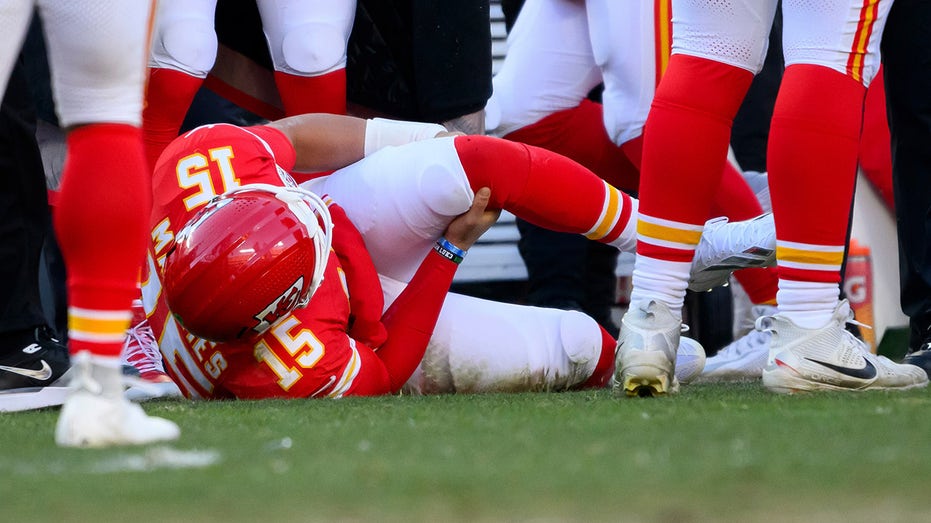
Strip away the rhetoric and Russo’s argument is built on an ethical claim: that in a moment of crisis—Mahomes’ devastating ACL/LCL tear, a likely end to a dynastic playoff run, Kelce’s own uncertain future—Kelce owed the public a few words through traditional channels.
There are three overlapping tensions here:
- Professional obligation vs. human reaction: The loss was catastrophic: season over, franchise cornerstone badly injured, Kelce possibly nearing retirement. Expecting an immediate, composed, quotable response from a 35-year-old who just watched his quarterback’s knee buckle may be more about media needs than human reality.
- Beat reporters vs. star podcasts: Russo invokes the reporters who “go to every training camp practice” and “every day for seven months” cover the team. That’s a real grievance: many local outlets have shrinking budgets, declining ad revenue, and less access overall. When stars withhold comments from them but share rich, polished narratives on their own shows days later, it feels like being cut out of the value chain.
- Accountability vs. control: Postgame interviews allow for unscripted questions: “What went wrong?” “Did you miscommunicate on that route?” “Are you considering retirement?” A podcast, by contrast, allows self-editing: no uncomfortable follow-ups, no live confrontation, often no critical pushback.
This is why Russo’s jab that “no serious sports fan” listens to “New Heights” is telling. It’s not accurate—“New Heights” regularly charts among the top sports podcasts—but it reveals fear that “serious” fandom is migrating away from traditional analysis toward athlete-controlled storytelling.
What’s Really at Stake: Who Owns the Story?
The core issue isn’t whether Travis Kelce should have answered questions for 90 seconds. It’s about who gets to define the narrative around moments of crisis and transition—particularly ones with long-term implications, like Patrick Mahomes’ extended injury and Kelce’s looming retirement decision.
Consider the power dynamics:
- NFL & teams: They want controlled messaging, especially around injuries, timelines, and expectations. They rely on both national partners and local media, but increasingly produce their own content too.
- Media (ESPN, beat writers, radio): Their relevance is tethered to access. When stars decide, “I’ll talk on my own show Wednesday instead,” the traditional postgame ecosystem erodes.
- Athletes: They increasingly operate like brands. Kelce’s decision to reserve emotional or narrative content for “New Heights” isn’t just personal preference; it’s economically rational. Audience equals leverage; leverage equals money and post-career opportunities.
Now overlay the specifics of this moment: Mahomes might miss significant time into 2026, the Chiefs’ mini-dynasty may be entering a transition phase, and Kelce’s own career clock is ticking. Who tells that story first—and how—is a high-stakes question.
Expert Perspectives: Athlete Mental Health, Labor Rights, and Media Economics
Sports psychologists have long warned that the postgame tunnel from field to locker room to microphone is one of the most emotionally volatile stretches in an athlete’s week. That volatility is magnified when injuries change careers and seasons in a single play.
At the same time, labor experts point to collective bargaining agreements: the NFL and NFLPA explicitly outline media obligations. If Kelce met the minimum requirements—or if this was a one-off deviation—then Russo’s framing shifts from “violating duty” to “disrespecting tradition.” Those are very different claims.
Media economists note another angle: athlete-run podcasts are siphoning attention and ad dollars from networks. “New Heights” reportedly reaches millions of listeners weekly during peak NFL season. That audience, highly engaged and younger than traditional TV viewers, is precisely who networks are desperate to retain.
Data Points: How Big Is This Shift?
- The global sports media market has been steadily fragmenting; digital and direct-to-consumer platforms have eaten into linear TV shares over the last decade.
- Top athlete-hosted podcasts regularly break into mainstream download rankings, often outperforming legacy sports radio in key demographics (18–34).
- Local sports desks at newspapers have shrunk dramatically over the past 15 years, reducing the number of beat reporters who would traditionally be in that Chiefs locker room.
- Surveys of younger fans show they increasingly follow athletes more than teams, and get their sports information as much from social platforms and podcasts as from traditional broadcasts.
Against that landscape, Russo’s appeal to “poor guys who have been covering the Chiefs for years” is both earnest and revealing: he’s defending a model that’s structurally losing ground, not just a momentary breach of etiquette.
What Fans Are Missing When Stars Ghost the Press
There’s a temptation to shrug and say: if Kelce talks on Wednesday’s podcast instead of Sunday’s scrum, who cares? But there are concrete consequences.
- Less independent scrutiny: Beat writers can ask about specific plays, miscommunications, or scheme changes and push back when answers don’t add up. Podcast co-hosts are colleagues and friends—not adversarial interviewers.
- Narrower access: Fans who don’t—or can’t—follow multiple hours of weekly podcasts lose context that used to be captured in widely accessible game stories and TV hits.
- Unequal storytelling: Role players, fringe roster guys, and assistant coaches rarely have podcasts. When stars keep key narratives in-house, the wider ecosystem of perspectives gets thinner.
That said, traditional media also has blind spots: sensationalism, click-chasing, and often shallow coverage of mental health and long-term injury implications. Athletes’ own platforms have, in some cases, enabled more honest discussions about depression, pain management, and the toll of the sport than standard press conferences ever did.
Looking Ahead: How This Fight Will Shape the Next NFL Era
Travis Kelce’s decision to ghost the media after a season-breaking loss won’t define his legacy. But the dynamic it exposes is only going to intensify. A few likely developments:
- Stricter enforcement or updated rules: The NFL could tighten or clarify media-access obligations, particularly for star players, to protect broadcast partners and local outlets.
- Hybrid access models: We may see formal agreements where athletes commit to minimal postgame availability while also promoting their own platforms, with teams and leagues using both.
- Team-produced content as a middle ground: Franchises like the Chiefs already create in-house documentaries and behind-the-scenes content that blur the line between PR and journalism. As traditional outlets lose leverage, this controlled ecosystem can become the default narrative source.
- Greater fan polarization: Fans loyal to traditional media will see snubs like Kelce’s as selfish or unprofessional. Younger fans may view them as reasonable boundary-setting—and prefer the long-form, informal storytelling they get on podcasts anyway.
Overlay all of this on Mahomes’ long rehab timeline and Kelce’s impending decision about retirement, and this media-power struggle becomes part of a larger story: the potential end of a mini-dynasty, the economic pressure on aging stars, and the future of the Chiefs’ brand in a league that sells stories as aggressively as it sells games.
The Bottom Line
Chris Russo’s rant isn’t just old-school bluster. It’s a flare signaling a deeper shift: the erosion of traditional media’s gatekeeping role and the rise of athlete-controlled narratives. Travis Kelce didn’t just skip a microphone; he reminded an entire industry that its access—and therefore its influence—is no longer guaranteed. The next time a franchise-altering injury or retirement looms, the most important quotes might not come from a locker-room scrum, but from a studio where the athlete also owns the on/off switch.
Topics
Editor's Comments
What’s striking in this episode is how both sides—Russo and Kelce—are, in different ways, defending their own economic ecosystems. Russo foregrounds the beat writers’ grind, but he’s also implicitly arguing for the continued centrality of shows like his, which rely on immediate reactions and raw emotion harvested from locker rooms. Kelce, on the other hand, is operating in a media environment where his long-term leverage comes from owning a loyal, direct audience he can monetize across contexts—ads today, brand deals and post-career opportunities tomorrow. The unresolved question is whether the NFL, as a multi-billion-dollar league, will recalibrate its rules to protect legacy partners’ access or quietly accept the drift toward athlete-controlled narratives as inevitable. If the latter happens, we may see a future where the most revealing, consequential explanations of turning points—injuries, retirements, even controversial plays—live almost exclusively inside paywalled or sponsored content owned by players, not in public, adversarial press spaces traditionally understood as part of the democratic “information commons.” That has implications far beyond sports, touching on how we think about transparency and accountability in any industry where stars can become their own media companies.
Like this article? Share it with your friends!
If you find this article interesting, feel free to share it with your friends!
Thank you for your support! Sharing is the greatest encouragement for us.