Trump’s ‘Gangbuster 2026’ Economy: Hype, Hope, and the Hard Numbers Behind the Optimism

Sarah Johnson
December 18, 2025
Brief
Trump allies are promising a “gangbuster” U.S. economy by 2026. This analysis unpacks the politics, policy, and economic realities behind the optimism—and what could derail it.
Trump’s ‘Gangbuster 2026’ Economy: What’s Real Signal, What’s Political Noise?
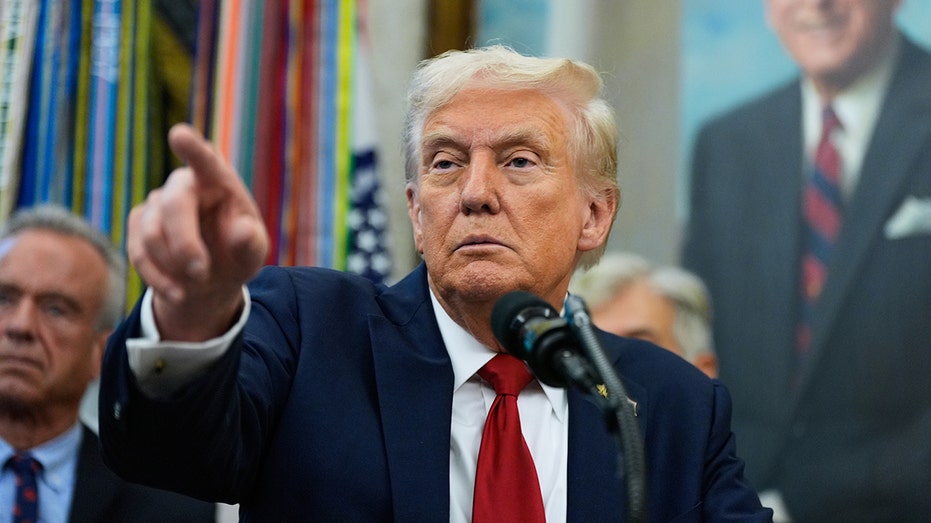
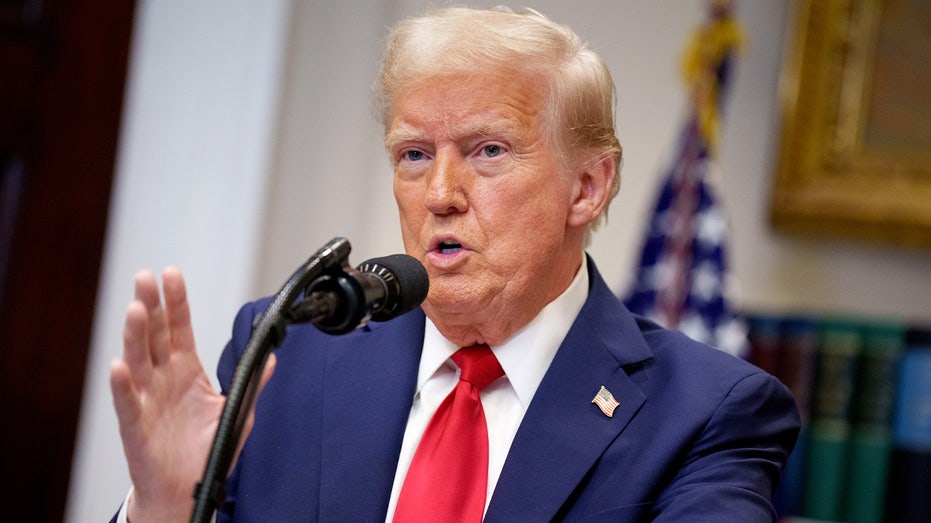
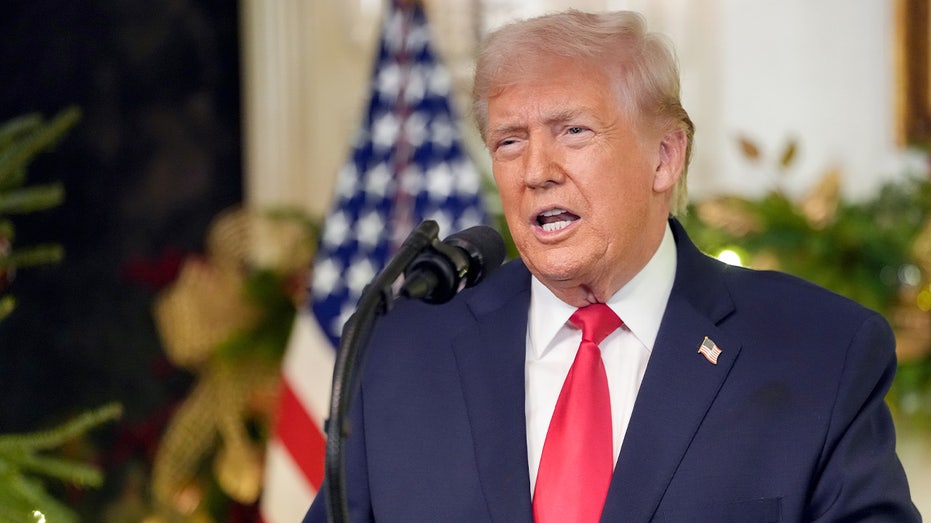
Donald Trump’s national address has triggered a wave of bullish predictions about a “roaring” or “gangbuster” U.S. economy by mid-2026. Republican lawmakers and aligned commentators are pointing to falling gas prices, rising energy production, and improving housing indicators as proof that the trend lines are already pointing sharply upward.
But underneath the optimism is a more complicated story: a heavily politicized economic narrative, unresolved structural problems beneath the headline numbers, and a risky bet that voters will feel dramatically better off within roughly a year. Understanding how credible this optimism is requires looking beyond the soundbites and into the interplay of policy, cycles, and political incentives.
How We Got Here: The Long Tail of the Pandemic Economy
The optimism around 2026 is landing at the tail end of one of the most unusual economic cycles in modern U.S. history. To decode the forecasts, we need to place Trump’s claims in the broader arc of the last five years:
- Pandemic shock (2020–2021): COVID lockdowns crashed output and jobs, then massive fiscal and monetary stimulus—several trillion dollars in emergency spending plus near-zero interest rates—prevented depression but lit the fuse on inflation.
- Inflation spike (2021–2023): Consumer price inflation peaked above 9% year-over-year in mid-2022, the highest since the early 1980s. Supply chain snarls, pent-up demand, and stimulus cash collided, while the Fed was late to slam on the brakes.
- A painful normalization (2023–2025): Interest rates were raised aggressively. Inflation receded, but borrowing costs for mortgages, cars, and small businesses spiked. Housing affordability hit multi-decade lows; real wages for many workers only slowly clawed back.
By the time Trump returned to office in early 2025, the economy was already transitioning from high inflation toward a slower but more stable environment. The key debate now is how much of any 2026 improvement will be driven by his policy changes versus the natural maturation of this post-pandemic cycle.
What’s Actually Behind the Optimism?
The bullish narrative coming from Trump allies and friendly commentators rests on several pillars:
- Energy production is up: Sen. Lindsey Graham points to record daily oil output in July 2025 and a 25% increase in natural gas exports, following reversals of Biden-era constraints like the Keystone XL cancellation and lease restrictions.
- Gasoline prices are down from 2022 peaks: From roughly $5 per gallon in 2022 to substantially lower levels in late 2025, easing a highly visible pain point for voters.
- Real incomes expected to rise: Commentators like Charles Payne are forecasting a more “constructive” consumer environment in 2026, especially for middle-income households, driven by real income growth, job gains, and tax cuts.
- Signs of housing stabilization: Graham references “strengthening housing-market indicators,” implying that the worst of the affordability crunch may be easing as rates stabilize and supply slowly improves.
These indicators matter because they are precisely where voters feel macroeconomics in their daily lives: at the pump, in their paycheck, in their rent or mortgage payment. If those trend lines continue to improve into 2026, Trump’s “hottest country in the world” narrative gains credibility, regardless of how economists parse the details.
The Political Incentives Behind the ‘Roaring 2026’ Story
There is also a clear political logic to promising a “gangbuster” 2026:
- Credit claiming: By framing any upcoming cyclical improvement as the result of policy shifts since January 2025, Trump seeks to reassign credit from the prior administration and the Fed to his own White House and Congress.
- Blame transfer: His claim that the prior administration “looted the treasury” and caused unprecedented price increases is designed to localize past pain with his predecessor and future relief with himself.
- Expectations management: Setting a clear timeline—“by July of next year”—creates a benchmark. If the economy feels better by then, Trump can argue he delivered; if not, he has set up a high-visibility accountability moment.
This is not new. Presidents from Ronald Reagan to Barack Obama to Joe Biden have tried to frame ongoing economic shifts as validation of their policy choices rather than the product of longer and often global forces. What stands out here is how compressed the promised timeline is and how sweeping the rhetoric has become—“hottest country in the world,” “roaring economy,” “gangbuster year.”
What the Optimistic Narrative Overlooks
While the upbeat talk resonates with supporters, it glosses over several structural and cyclical realities that could blunt, complicate, or delay any 2026 boom:
- Interest rate overhang: Even if inflation continues to cool, the Federal Reserve is unlikely to race back to near-zero rates. Higher-for-longer borrowing costs will remain a drag on housing, business investment, and small-business credit.
- Debt and deficits: The “looted treasury” rhetoric obscures the bipartisan nature of fiscal expansion. The U.S. ran large deficits under Trump pre- and post-pandemic and under Biden. Additional tax cuts or spending without offsetting measures will add to already elevated debt-service costs.
- Uneven recovery: Historically, post-crisis recoveries benefit asset owners first. While averages may look strong, lower-income households and renters often recover more slowly. A “gangbuster” headline economy can coexist with persistent pockets of distress.
- Global volatility: Geopolitical risks—from energy shocks to trade disruptions—can quickly undermine domestic optimism. A boom narrative that assumes stable global conditions is inherently fragile.
In other words, even if the aggregate data are strong in 2026, the distribution of that prosperity—and the sustainability of the underlying momentum—are open questions.
Expert Perspectives: How Realistic Is a 2026 ‘Roar’?
Many mainstream economists would agree that conditions are in place for a reasonably solid 2026, but they tend to be more cautious about the pace and breadth of any boom.
Historically, the U.S. has frequently seen strong growth 2–4 years after major shocks as inflation stabilizes, supply chains normalize, and confidence returns. The early-to-mid 1980s after the Volcker inflation fight, and the mid-2010s after the Great Recession, are examples of this delayed “catch-up” growth effect.
But scholars also warn against overinterpreting political claims of direct causality:
- Monetary policy lag: Most of what happens in 2026 will still be shaped by interest-rate decisions made in 2024–2025, more than any single-year fiscal or regulatory shift.
- Global linkages: Energy prices, supply chains, and capital flows are determined in global markets. U.S. presidents can influence, but not fully control, these dynamics.
The upshot: a stronger 2026 is plausible and even likely relative to the volatility of 2022–2024, but the rhetoric of an across-the-board, universally felt boom is ambitious. Historically, very few years qualify as the kind of broad-based, feel-it-in-every-household surge that Trump allies are now promising.
Energy Policy: Short-Term Relief vs Long-Term Risk
Lindsey Graham’s emphasis on record oil production and increased natural gas exports highlights one of the central trade-offs at the heart of Trump’s economic messaging.
- Short-term: More domestic production can lower fuel prices, improve the trade balance, support energy-state employment, and ease cost pressures on transport and manufacturing.
- Long-term: Aggressively leaning into fossil fuels complicates climate commitments, risks stranded assets, and may invite future regulatory or market backlash as technology and global policy shift toward decarbonization.
For 2026, cheap energy is a tailwind for growth and consumer confidence. For 2036, the picture could look very different. That intertemporal tension is largely absent from the current “trendlines are going in the right direction” narrative.
Taxes, Real Wages, and the Affordability Question
Trump’s contrast between real wages under his administration and his predecessor taps into the core voter question: Do I feel like I’m getting ahead? The focus on tax cuts amplifies this message, but again, the reality is more layered.
- Real wages: After an inflation spike, it often takes several years of nominal wage growth outpacing price increases to restore purchasing power. If inflation continues to ease and labor markets remain reasonably tight, 2026 could be the first year many households genuinely feel relief.
- Tax cuts: Across-the-board cuts can boost disposable income but tend to skew benefits toward higher earners. The effect on middle-income households depends on how cuts are structured and whether they are offset by changes to services, benefits, or future tax obligations.
- Affordability: High shelter costs, healthcare expenses, and education-related debt can blunt the impact of wage gains and tax relief. Without structural reforms in these areas, the “affordability crisis” may persist beneath the surface of headline GDP growth.
In other words, a “gangbuster” macroeconomy is compatible with an ongoing personal affordability squeeze—especially for renters, younger households, and those with weak bargaining power in the labor market.
Looking Ahead: What to Watch Between Now and 2026
Several indicators will determine whether the optimism around 2026 is vindicated or exposed as political overreach:
- Core inflation vs. wage growth: If inflation continues trending down while wage growth holds up, real incomes will improve and consumer sentiment should follow.
- Fed policy path: A measured decline in interest rates would support housing and investment without reigniting inflation. A policy mistake—cutting too fast or staying too tight—could either overheat or stall the recovery.
- Business investment: Are firms responding to tax and regulatory changes by ramping up productive investment, or are they channeling gains into buybacks and dividends?
- Distributional outcomes: Household surveys, not just aggregate data, will show whether middle- and lower-income Americans feel the promised “gangbuster” benefits.
- External shocks: Geopolitical crises, energy disruptions, or financial instability abroad could quickly undermine domestic optimism.
If most of these variables move in the right direction, the 2026 narrative could become self-reinforcing: optimism boosts spending, which boosts growth, which reinforces optimism. If not, today’s bold promises could become liabilities.
The Bottom Line
The bullish reaction to Trump’s speech isn’t just about data; it’s about the shaping of expectations at a politically crucial moment. The United States may indeed be headed for a markedly calmer, stronger economic environment in 2026 after a chaotic, inflation-plagued early decade. But the story will almost certainly be more uneven and less spectacular than the “roaring” and “gangbuster” slogans suggest.
The key question for 2026 won’t simply be whether growth is solid. It will be whether Americans across income levels actually feel—and attribute to current leadership—the gains that headline numbers promise. That gap between macroeconomic performance and lived experience will determine whether this optimism becomes a durable political asset or another case of overpromising in an age when economic credibility is increasingly scarce.
Topics
Editor's Comments
One crucial gap in the current debate is the absence of any serious discussion about trade-offs. The optimistic camp talks about a ‘roaring’ 2026 as if growth, affordability, fiscal health, and climate goals all move seamlessly in the same direction. They don’t. A fossil-fuel-driven expansion might indeed deliver cheaper energy and stronger GDP in the near term, but it also pushes the U.S. further out of alignment with its own stated climate targets and increases the risk of harsher corrective policies later. Likewise, tax cuts can underpin short-term demand while worsening long-run debt dynamics, especially with higher interest rates. The question policymakers rarely answer is: what are we willing to sacrifice for a one- or two-year boom narrative? Voters should pay close attention not just to whether 2026 feels better than 2022, but to the hidden costs that may come due long after the applause for a ‘gangbuster’ year has faded.
Like this article? Share it with your friends!
If you find this article interesting, feel free to share it with your friends!
Thank you for your support! Sharing is the greatest encouragement for us.