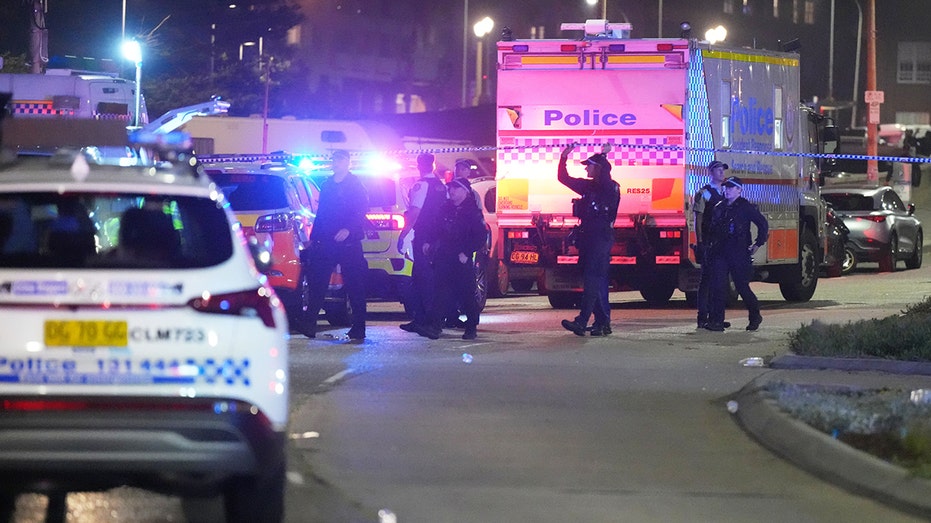
Australia’s Hanukkah Massacre: How Post–Oct. 7 Politics and Protest Let Antisemitism Turn Deadly

Sarah Johnson
December 17, 2025
Brief
Australia’s Hanukkah massacre exposes how post–Oct. 7 politics, protest rhetoric and cautious policing allowed rising antisemitism to escalate into deadly violence—and what this reveals about democratic vulnerabilities worldwide.
Australia’s Hanukkah Massacre: How Post–Oct. 7 Politics, Policing and Protest Let a Slow-Motion Threat Turn Deadly
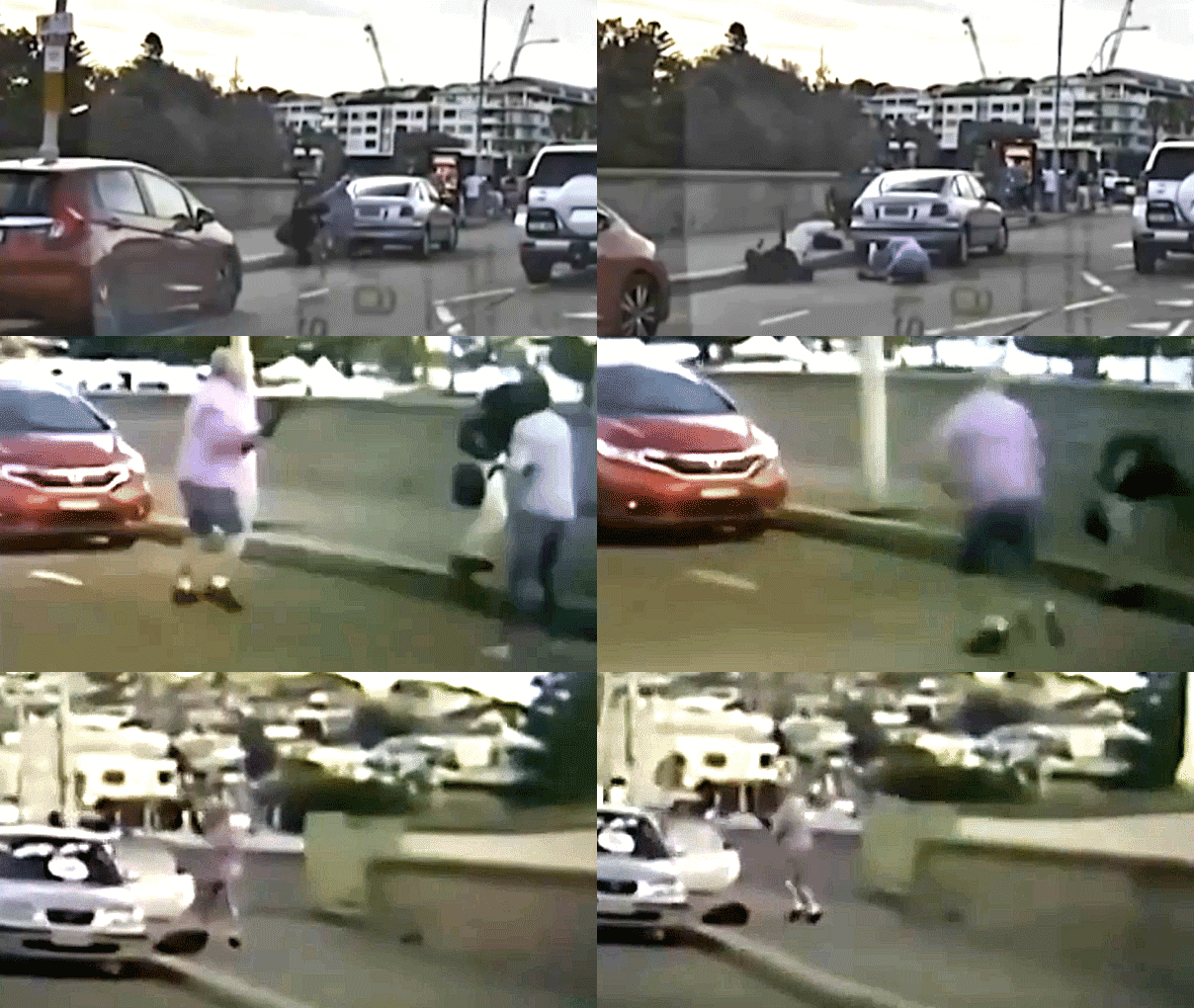
Australia’s Hanukkah massacre in Sydney is not an isolated eruption of hate; it is the violent tipping point of a year-long escalation that many Jewish Australians warned was coming. The attack crystallizes three overlapping crises: the normalization of extremist rhetoric, a hesitant political class fearful of alienating key constituencies, and security agencies trying to manage 21st‑century radicalization with 20th‑century frameworks.
To understand why this matters far beyond Australia, it’s necessary to see the Bondi attack not as a single failure, but as the culmination of a pattern: a democracy that saw the warning signs, debated them, downplayed them, and then struggled to respond when words finally turned into bullets and firebombs.
The bigger picture: Australia’s long, uneasy relationship with antisemitism and extremism
On the surface, Australia has long looked like one of the safest diasporas for Jews. Post‑World War II waves of Holocaust survivors helped build vibrant communities in Melbourne and Sydney. Unlike parts of Europe, there were few major violent antisemitic attacks in recent decades, and Jewish Australians were deeply integrated into political, academic and economic life.
But there is a deeper, less visible history. Australian security agencies have monitored extremist milieus for years: neo‑Nazi groups in the 1990s and 2000s; Islamist networks linked to global jihadist propaganda; and more recently, hybrid online ecosystems where anti‑Israel activism, far‑right conspiracy theories and anti‑establishment anger blend into what analysts call “ideological bricolage.”
Before Oct. 7, 2023, antisemitism existed but was relatively contained. The Executive Council of Australian Jewry (ECAJ) reported an average of a few hundred incidents a year—disturbing, but not systemically destabilizing. That changed dramatically once Hamas launched its massacre in southern Israel and Israel’s subsequent war in Gaza began.
As in Europe and North America, three trends converged in Australia:
- Imported conflict: The Israeli‑Palestinian conflict, once a foreign policy file, became a domestic identity issue, especially for segments of the Muslim, Arab and progressive communities.
- Digital radicalization: Graphic images from Gaza, often stripped of context and amplified by algorithm-driven outrage, fed a narrative in which Jews globally were cast as extensions of the Israeli state.
- Protest-to-pressure pipeline: Weekly pro‑Palestinian demonstrations shifted from calls for ceasefire to slogans like “Globalize the Intifada” and “From the river to the sea,” which, for many Jews, read as calls for their erasure.
Instead of treating these dynamics as an emerging security challenge, governments across Western democracies, including Australia, largely framed them as a free speech and community management issue. That framing is now under intense scrutiny.
What this really means: When appeasement becomes a security risk
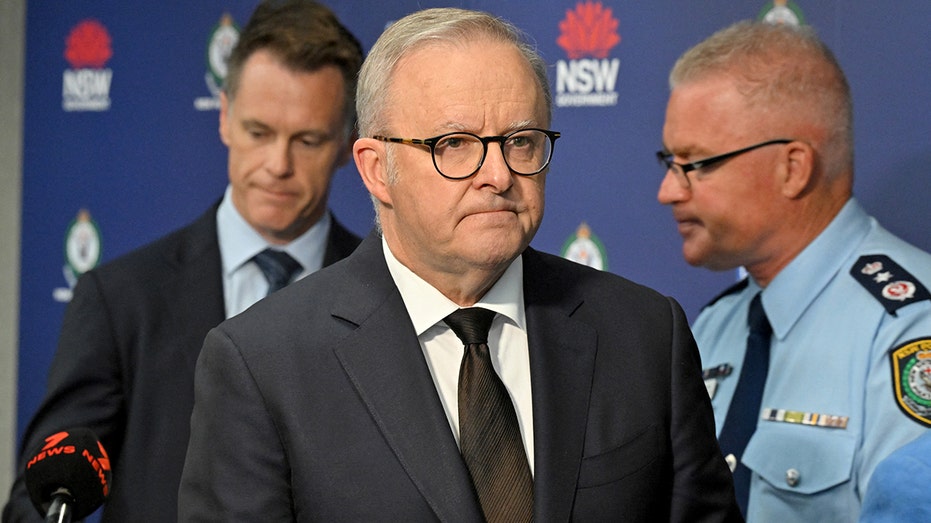
The core allegation from critics of Prime Minister Anthony Albanese’s Labor government is not simply that it failed to protect Jewish communities, but that it allowed extremist rhetoric to become normalized because of political calculations.
Three decisions stand out:
- Reluctance to name antisemitic targeting clearly and early.
Albanese’s initial public statement on the Bondi attack failed to identify Jews as the specific target, a gap critics saw as symptomatic of a broader hesitation to recognize antisemitism as a distinct threat rather than just one form of “hate” among many. In the months prior, government statements often used highly generic language, avoiding explicit condemnation of particular chants or groups. - Symbolic parity: dual envoys for Islamophobia and antisemitism.
On paper, appointing envoys for both antisemitism and Islamophobia is an attempt at balance. In practice, some Jewish leaders argue it blurred lines between those being targeted and those within whose communities some of the most inflammatory rhetoric was surfacing, and it reinforced a “both sides hate” narrative instead of honestly mapping specific threat vectors. - Electoral dependence on Muslim-majority districts.
Several marginal seats Labor needs to win and hold have sizable Muslim populations. MPs from those constituencies have been vocal critics of Israel and, at times, of their own government’s positions. The perception—fair or not—is that this electoral reality made the government slower to crack down on protests or rhetoric that crossed into antisemitic incitement.
Security experts draw a crucial distinction: most pro‑Palestinian protestors are not violent extremists, but unchecked extremist messaging at large, emotionally charged events creates “ambient radicalization.” That is, a social climate in which a small number of individuals feel legitimized in moving from language to action.
The ECAJ’s figures are a stark indicator of that climate: 1,654 anti‑Jewish incidents between October 2024 and September 2025, on top of 2,062 the previous year, and nearly five times the pre‑Oct. 7 annual average. More importantly, the severity of incidents escalated—arson attacks on synagogues, Jewish childcare centers and homes; explicit threats by healthcare workers to mistreat Israeli patients; and repeated public vandalism deploying Nazi imagery.
When such incidents are met with condemnation but little visible consequence, extremists learn a dangerous lesson: the cost of harassment is low, and the threshold for enforcement is high. The Bondi massacre forced that calculus into the open.
Expert perspectives: Policing speech vs preventing violence
Security and legal scholars point to a structural dilemma now confronting liberal democracies: how to respond when speech that may be protected in principle (“From the river to the sea,” “Globalize the Intifada”) becomes central to a real-world ecosystem that leads to violence.
Dr. Greg Barton, a counterterrorism expert at Deakin University, has previously warned that Australia risks underestimating the “cumulative effect of low‑level, ideologically tinted hostility” toward minorities: “You don’t see a neat line from a slogan on a placard to an attack on a synagogue,” he has argued, “but you absolutely see an enabling environment emerge.”
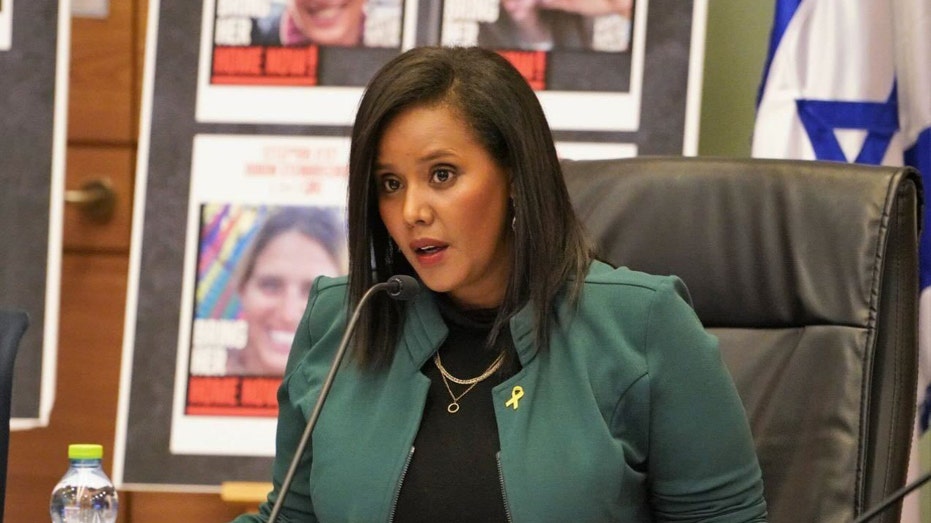
Israeli foreign minister Gideon Sa’ar’s message to Penny Wong goes further, urging governments to draw a bright red line: calls such as “Globalize the Intifada” and “Death to the IDF” are, in his view, inherently illegitimate and inseparable from incitement. That position aligns with European jurisprudence, where courts in countries like Germany and France have increasingly deemed certain slogans incompatible with public order when they target Jews or Israel.
Australian constitutional law, however, lacks a formal bill of rights and instead relies on a patchwork of state and federal anti‑vilification laws. Historically these statutes have been used sparingly, often in civil rather than criminal contexts, and agencies are cautious about criminalizing political speech. The Bondi attack will likely trigger a reassessment of whether this “light touch” remains tenable.
Data and evidence: A pattern, not an outlier
The ECAJ data tell a broader story that mainstream coverage often misses:
- Scale: Nearly 3,700 antisemitic incidents in two years—unprecedented in Australia’s modern history.
- Intensity: The organization notes a higher number of serious incidents than in any prior year—particularly arson and violent threats against communal infrastructure.
- Geographic spread: Incidents span both major urban centers (Sydney, Melbourne) and surrounding suburbs, suggesting a diffusion beyond small extremist cells.
The specific incidents listed—fire at Ripponlea’s Adass Israel Synagogue during morning prayers, swastika graffiti at multiple synagogues, a childcare center near a Jewish school set ablaze, coordinated graffiti and car arson in Jewish neighborhoods—fit a classic pattern of what security services call “campaign violence.” Even when attacks appear opportunistic, their repetition and symbolic targeting (places of worship, children’s spaces, healthcare) convey a consistent message: you are not safe anywhere.
Against that backdrop, the Bondi massacre becomes less an aberration and more the point at which a campaign of intimidation metastasized into mass murder.
What’s being overlooked: Intra-community fractures and Jewish strategic choices
One underreported aspect is the internal debate within Australia’s Jewish community about strategy and future.
Avi Yemini’s prediction that “many will now be seriously considering a move to Israel” is not mere rhetoric. Globally, Jewish communities under sustained pressure frequently weigh three options: fight politically, withdraw into defensive communalism, or emigrate. Data from France, the UK and parts of Latin America show surges in aliyah (Jewish immigration to Israel) when antisemitism reaches what sociologists call the “intolerable insecurity threshold.”
If a significant number of Australian Jews choose to leave, the consequences would be profound: loss of civic and economic contribution, erosion of cultural diversity, and a dangerous signal that violent intimidation can reshape a country’s demographic and political landscape. Even if emigration remains limited, a shift toward private security, fortified institutions and reduced public Jewish visibility would mark a regression in liberal pluralism.
Another overlooked dimension is internal tension within Australia’s Muslim communities. Many Muslim Australians are horrified by the Bondi attack and by antisemitic rhetoric. Yet some feel collectively stigmatized by discussions of “Islamist extremism” and perceive an implicit accusation directed at their communities. If the government’s response is seen as indiscriminately securitizing Muslims, it risks deepening alienation and making recruitment easier for the very extremists it seeks to curb.
Looking ahead: Policy, politics and the battle over public space
In the coming months, several fault lines will determine whether Bondi becomes a turning point or just another entry in a grim list.
- Legal thresholds for incitement.
Expect calls to revise or reinterpret laws to more clearly prohibit chants and slogans that advocate or legitimize violence against Jews, Israelis, or any group. Civil liberties advocates will push back, arguing that vague bans risk chilling legitimate criticism of governments, including Israel’s. How courts define “antisemitic incitement” in this context will set an important precedent. - Policing protests and digital spaces.
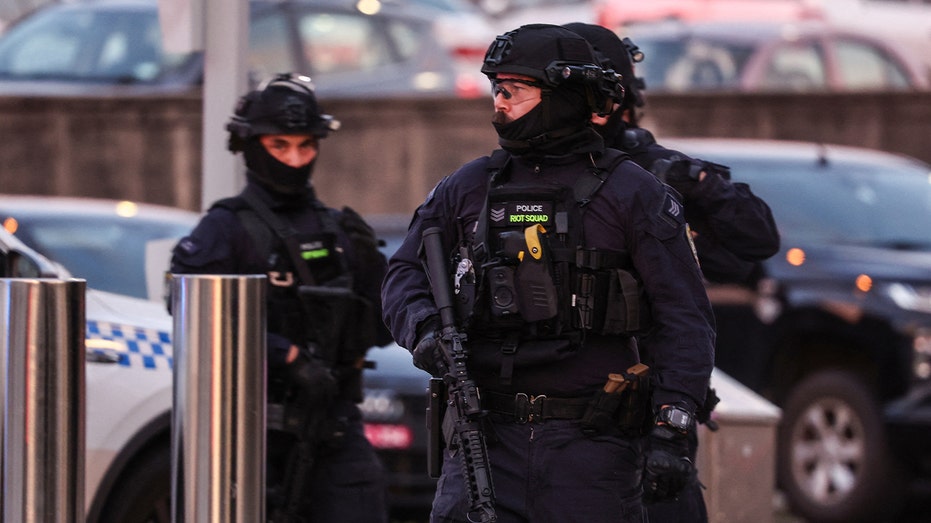
Law enforcement will face pressure to intervene earlier at rallies when hate speech surfaces, and to pursue online threats more aggressively. Operationally, this means closer integration between intelligence, community liaison units and counterterrorism teams—a shift from episodic monitoring to sustained, proactive engagement. - Political recalibration.
Albanese’s government will be judged on whether its response is perceived as reactive damage control or a genuine course correction. Opposition parties and populist figures like Senator Pauline Hanson are already framing Bondi as proof that Labor privileged identity politics over basic security. The risk is a polarizing spiral: one side demanding sweeping crackdowns framed as “defending Western values,” the other warning of Islamophobia and authoritarian creep. - International signaling.
Israel’s direct criticism of Australia’s handling of antisemitic rhetoric is notable. If more allies adopt similar language, Canberra may face diplomatic pressure to align with tougher European standards on antisemitic and jihadist speech, especially given Australia’s aspirations to be seen as a stable, rights-respecting Indo‑Pacific democracy.
The bottom line
The Hanukkah massacre in Sydney is not merely a tragedy for Australia’s Jewish community. It is a case study in how democracies can misread the trajectory from protest to radicalization, and how political caution, however well-intentioned, can create the perception—and sometimes the reality—of permissiveness toward hate.
The challenge now is not only to harden targets and increase patrols around synagogues. It is to rebuild a political and social consensus that targeted hatred—whether cloaked in the language of resistance, religion or “anti‑Zionism”—will be confronted early, clearly and consistently, before the next inevitable warning sign turns into another obituary column.
Topics
Editor's Comments
One of the most troubling aspects of the Australian response is how familiar it feels. We have seen this movie before in France, Belgium, the UK and the US: a wave of hostile rhetoric and low-level attacks against Jews; heated arguments over whether slogans are ‘just political’ or fundamentally eliminationist; governments prioritizing public order and coalition management over clear moral red lines; and then, inevitably, a synagogue, school or community event becomes a crime scene. The uncomfortable truth is that liberal democracies have been slow to update their mental models of extremism. They still look for formal organizations, clear chains of command and explicit calls for violence. What they increasingly face instead is a diffuse, transnational culture of dehumanization where social media, protest spaces and fringe preachers all play a part in priming individuals for action. If Australia treats Bondi as a one-off aberration, it will repeat the mistakes of others. The real test is whether policymakers are willing to accept that certain forms of ‘anti‑Zionist’ rhetoric have, in practice, become proxies for targeting Jews—and to legislate, police and speak accordingly, without collapsing legitimate criticism of Israeli policy into hate speech. That is a far more demanding balancing act than the talking points acknowledge, but it is now unavoidable.
Like this article? Share it with your friends!
If you find this article interesting, feel free to share it with your friends!
Thank you for your support! Sharing is the greatest encouragement for us.