Australia’s Hanukkah Terror Attack: Antisemitism, Family-Cell Extremism, and the New Security Fault Lines

Sarah Johnson
December 18, 2025
Brief
An in-depth analysis of the Bondi Hanukkah terror attack in Australia, unpacking antisemitism, family-based radicalization, gun policy, and the emerging threat of symbol-driven micro-cell terrorism.
Australia’s Hanukkah Terror Attack: What This ‘Act of Pure Evil’ Reveals About the Next Phase of Extremism
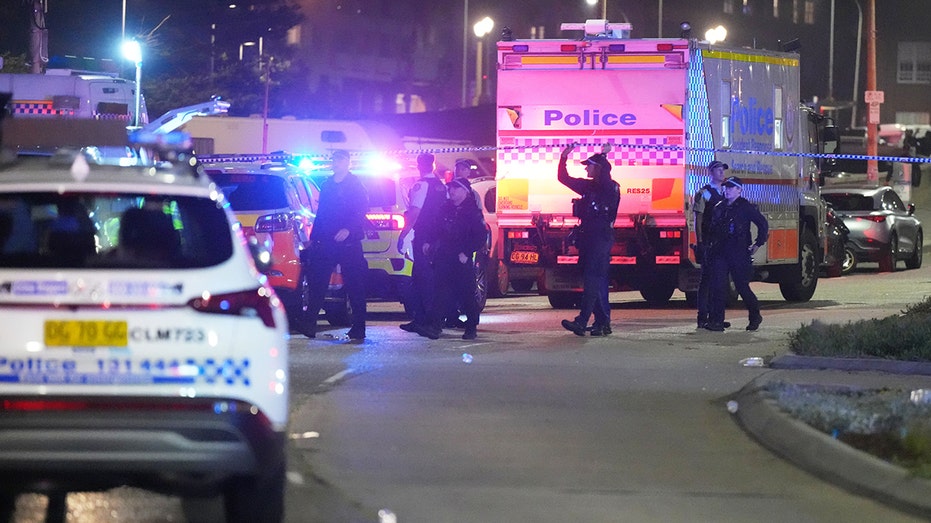
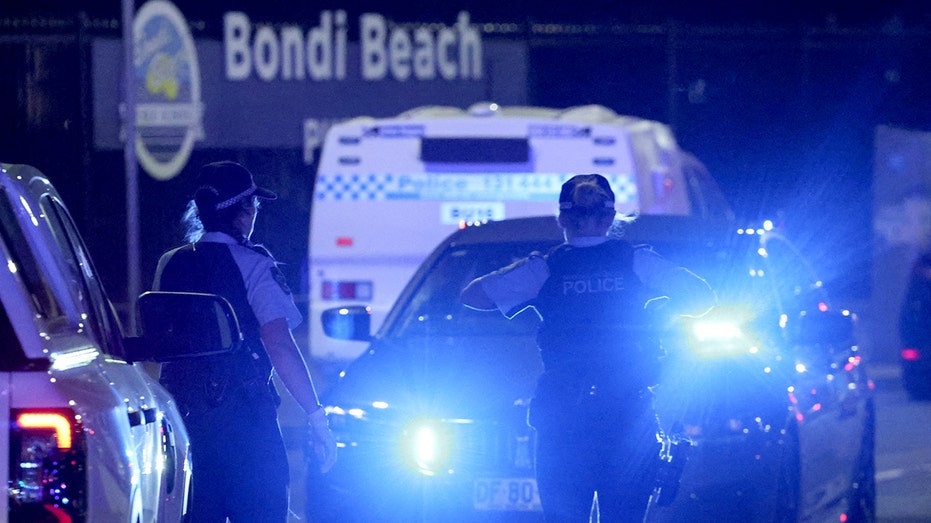
The Bondi Beach Hanukkah attack, which left 15 dead and many more wounded, is already being framed as an isolated act of “pure evil.” But looked at in context, it is a disturbing signal of how antisemitism, global conflicts, online radicalization, and domestic security gaps are converging in Western democracies — including those, like Australia, long seen as relatively insulated from mass political violence.
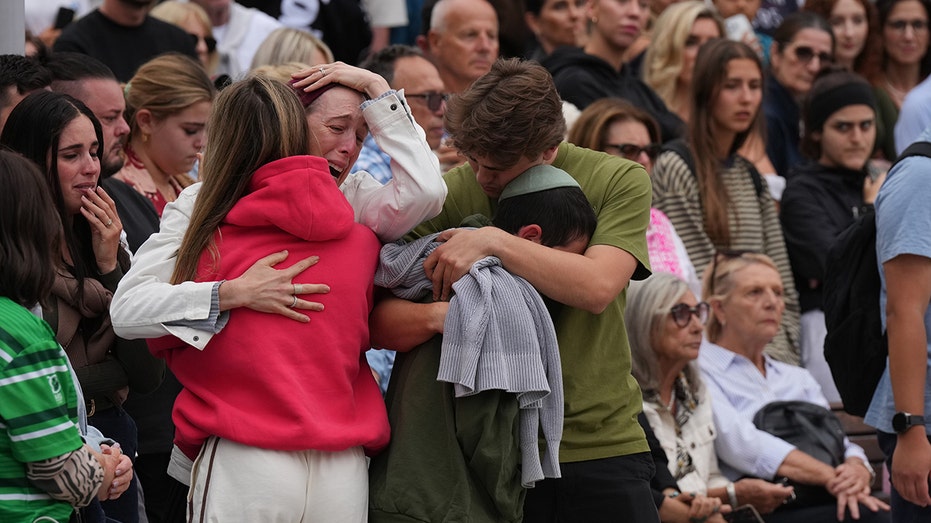
The suspect, a 24‑year‑old alleged attacker who survived, now faces 15 counts of murder, dozens of attempted murder and grievous bodily harm charges, and terrorism-related offenses, including committing a terrorist act and displaying a prohibited terrorist organization symbol. His 50‑year‑old father was killed at the scene by police. Authorities say the victims — ranging in age from 10 to 87, including a child and a Holocaust survivor — were deliberately targeted as part of an antisemitic attack on the first night of Hanukkah.
To treat this simply as a horrific crime is to miss the deeper story: this attack sits at the crossroads of rising global antisemitism, evolving lone-actor and family-cell terrorism, and a new phase in the politics of gun control and social cohesion in Australia.
Why This Attack Matters Beyond Australia
Australia has experienced terrorism before — the 2014 Lindt Café siege in Sydney, the 2002 Bali bombings that killed 88 Australians, and several foiled plots inspired by ISIS and al-Qaeda. But a mass shooting explicitly framed as antisemitic and carried out during a religious holiday, allegedly by a father–son pair, is something different.
It connects to several bigger trends:
- The normalization and mainstreaming of antisemitic narratives worldwide.
- The spread of hybrid ideological extremism — blending religious, political, and conspiratorial themes.
- The shift from large, organized terrorist networks to micro-cells shaped by online ecosystems and family or peer bonds.
- The renewed pressure on gun laws and security policy in countries that believed they had already “solved” the gun problem.
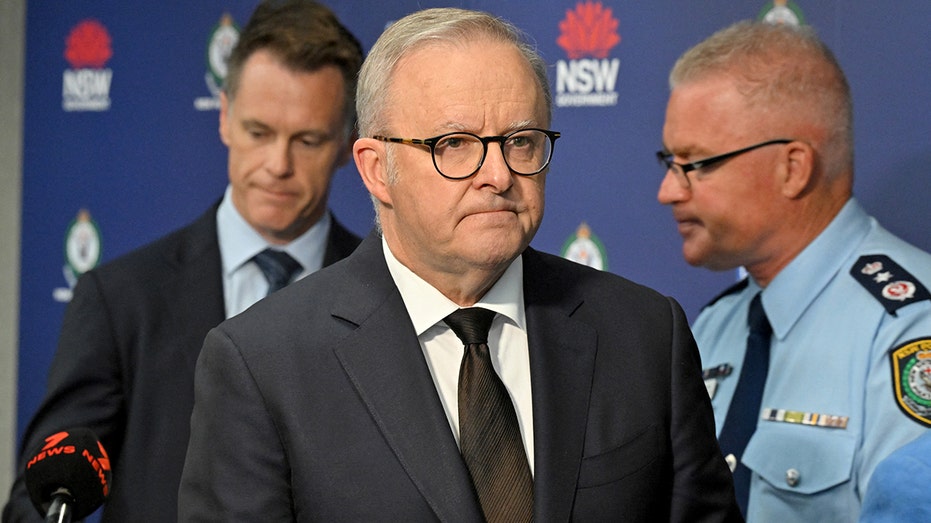
Prime Minister Anthony Albanese’s labelling of the attack as “pure evil,” “antisemitism,” and “terrorism” is politically important. It signals that Canberra is not treating this as merely criminal violence but as part of a broader ideological and security threat — a distinction that affects how resources, surveillance powers, and public narratives develop from here.
Historical Context: Australia’s Terrorism and Gun Violence Balancing Act
To understand the weight of this attack, you have to look at Australia’s recent history.
The Port Arthur legacy and gun reform
In 1996, the Port Arthur massacre in Tasmania left 35 people dead and shocked the country. In response, Australia enacted sweeping gun reforms under then–Prime Minister John Howard: a national firearms agreement, bans on certain semi-automatic weapons, mandatory registration, and a large-scale gun buyback. Firearm homicide rates dropped sharply in the following decade, and no mass shooting with 10 or more victims occurred for over 20 years.
That success story has become a global reference point in debates about gun control. But the Bondi attack underscores a stark reality: even stringent gun laws can’t fully neutralize the risk when determined actors exploit gaps, illicit markets, or legal loopholes. Early policy conversations after the Hanukkah attack show that Australia is now in a second-phase gun control debate — not about whether gun laws work, but whether they are calibrated for the era of lone-actor terrorism and extremist symbolism.
From organized networks to lone actors and micro-cells
In the 2000s and early 2010s, Australian counterterrorism was largely focused on jihadist networks with identifiable international links — individuals traveling to conflict zones, sending money, or communicating with foreign organizations. Over time, as global terror groups decentralized, the threat profile shifted.
By the mid‑2010s, security agencies were increasingly warning about self-radicalized individuals and small clusters, often connected more by online propaganda than by structured membership. Incidents like the 2014 Lindt Café siege, carried out by a single gunman claiming ISIS inspiration, symbolized this shift. The Bondi attack — allegedly organized and executed by a father and son, with a prohibited terrorist symbol displayed — fits squarely into this pattern of micro-cell terrorism, where family ties substitute for formal recruitment and training.
The Antisemitism Factor: Why Target a Hanukkah Celebration?
The choice of target — a Jewish community event on the first night of Hanukkah — is neither coincidental nor merely symbolic. It is part of a growing pattern in which antisemitism functions as a versatile rallying point across varied extremist ideologies, from jihadist narratives to white supremacist and conspiracy-driven movements.
Globally, antisemitic incidents have surged in recent years. A 2023 report from the Anti-Defamation League documented record-high antisemitic incidents in multiple Western countries, with spikes often correlated to conflict in the Middle East, economic anxieties, and online disinformation campaigns. Australia has not been exempt: Jewish community organizations have reported increases in harassment, vandalism, and online abuse, even if large-scale violence has been rare.
Attacking a Hanukkah event sends a layered message:
- It aims to terrorize not just local worshippers but the broader Jewish community — particularly when the victims include a Holocaust survivor, linking contemporary violence to historical trauma.
- It exploits a religious holiday, when attendance is high and defenses may be lower, to maximize psychological impact.
- It taps into transnational narratives about Jews as a global enemy — narratives circulating in both Islamist and far-right spaces online.
Crucially, antisemitism is functioning here not as a fringe prejudice but as a central organizing principle of the attack. That places this incident in the same family as attacks on synagogues in Pittsburgh, Halle, and Copenhagen, and on Jewish schools and centers in France and Belgium. For Australian Jews, it is a chilling confirmation that the threat profile they have watched elsewhere has now arrived at their doorstep.
How Ideology, Symbolism, and Online Radicalization Intersect
One of the most revealing details in the charges is the allegation that the suspect caused a public display of a prohibited terrorist organization symbol. That suggests the attack was not only violent but performative: designed to be read, shared, and reinterpreted by broader audiences, including potential sympathizers.
In modern terrorism, the symbol often matters as much as the weapon. Displaying a banned symbol — whether linked to ISIS, al-Qaeda, or another proscribed group — serves several functions:
- Signaling allegiance or inspiration, even if there is no direct command-and-control relationship.
- Embedding the attack in a recognizable ideological brand, making it more attractive to online propaganda channels.
- Provoking states into visible security crackdowns that can then be framed as persecution.
Australia’s intelligence services have long warned about encrypted messaging platforms, fringe social networks, and extremist content pipelines that cross borders instantly. Even if the father and son acted largely on their own, it is almost certain — given modern patterns — that their worldview was shaped by online content, grievance narratives, and glorification of previous attacks.
This raises a policy dilemma: how do democracies counter digital radicalization without sliding into broad censorship regimes that fuel further resentment and conspiracy theories?
Legal and Security Implications: Terrorism Charges and State Power
The extensive charges — murder, attempted murder, committing a terrorist act, use of explosives, and display of terrorist symbols — reflect Australian authorities’ determination to treat this as a paradigmatic terrorism case. That has concrete consequences.
- Broader investigative powers: Terrorism classification opens the door to more intrusive surveillance, asset freezes, and expanded warrants targeting potential associates, online networks, and financial flows.
- Sentencing and detention: Conviction on terrorism charges typically carries longer sentences, possible non-parole periods, and in some jurisdictions, post-sentence control orders or detention.
- Precedent for symbol-related prosecutions: The charge related to displaying a prohibited symbol will be closely watched, as it tests the boundary between criminalizing conduct that directly supports terrorism and criminalizing expression and symbolism.
Australia, like other democracies, has been criticized in the past for the breadth of its counterterrorism laws. Rights advocates will likely demand transparency about what intelligence was gathered prior to the attack, whether any warning signs were missed, and how the new powers might be used in the future — particularly against marginalized communities.
Gun Laws Back in the Spotlight: What Might Change Now
Early moves to tighten gun laws following the Bondi attack suggest that Australia is entering a new debate phase. Key questions likely to dominate policy discussions include:
- Source of the weapons: Were the firearms obtained legally, diverted from lawful owners, purchased on the black market, or imported illicitly? Each scenario points to different regulatory weaknesses.
- Licensing and vetting: If any weapons were lawfully acquired, what did background checks fail to capture? Should there be stronger mental health assessments, ideological risk assessments, or social media screening — and what are the civil liberties implications?
- Storage and tracking: Are existing rules on secure storage and registration adequate, especially in households where more than one person may pose a risk?
Australia’s political class faces a delicate task: responding decisively without undermining the legitimacy of earlier reforms that have, by most measures, dramatically reduced gun violence. Overreaction could fuel a backlash, particularly in rural areas, while underreaction risks signaling complacency.
What Mainstream Coverage Often Misses
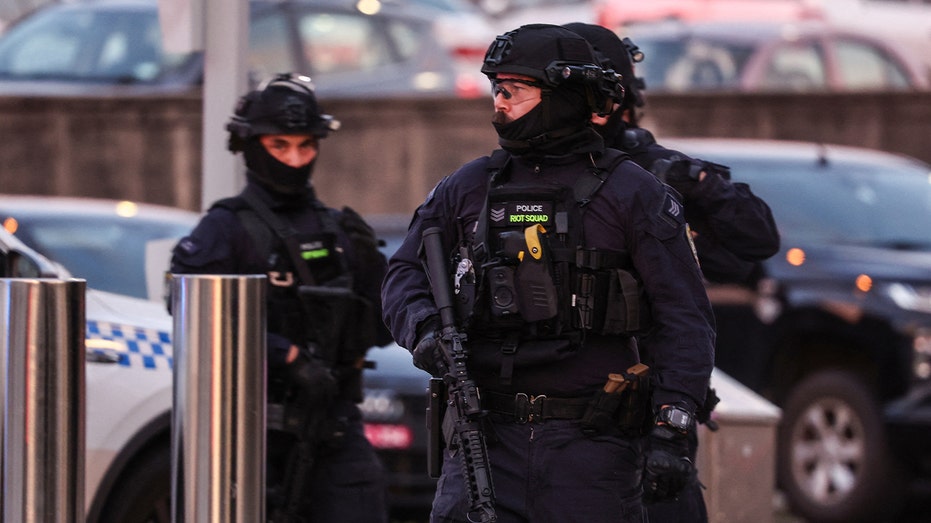
Much of the initial reporting has focused — understandably — on the human toll, the horror of a child and a Holocaust survivor among the victims, and the drama of the police response. But several deeper issues merit more attention:
- Family-based radicalization: The alleged father–son dynamic raises hard questions about how extremism spreads within intimate networks, where traditional de‑radicalization tools (schools, community leaders, social services) may have little visibility.
- Jewish community security burden: For years, Jewish institutions in Australia have privately funded security measures at synagogues, schools, and community centers. This attack is likely to intensify demands for state-supported protection and better threat assessments.
- The role of global conflicts: While the specific ideological motivations of the suspects are still emerging, it is rare today for such attacks not to be tied — explicitly or implicitly — to grievances about global events, including conflicts involving Israel, Western foreign policy, or perceived civilizational clashes.
- The normalization of political dehumanization: When Jews, Muslims, migrants, or other groups are routinely depicted as threats in political discourse and online spaces, the threshold for violence can drop for individuals already on the edge.
Looking Ahead: What to Watch in the Coming Months
The ripples from this attack will extend far beyond the immediate criminal proceedings. Several fault lines will shape Australia’s response and, by extension, offer lessons for other democracies.
- Community relations: How political leaders frame the attack will affect social cohesion. Do they focus narrowly on the individuals responsible, or does rhetoric spill over into stigmatization of broader communities?
- Legislative changes: Proposed reforms to gun laws, online safety regulations, and counterterrorism powers will reveal how the political system balances liberty and security after a trauma.
- Transparency about security failures: If evidence emerges that the suspects were previously known to authorities, public pressure for inquiries — and potentially resignations — could grow.
- Copycat risk: Terror attacks often generate imitation attempts, especially when they receive heavy media coverage. Security agencies will be acutely aware of this and may elevate threat levels accordingly.
Fundamentally, the Bondi Hanukkah attack forces a reckoning: the belief that Australia’s geography and past reforms insulated it from the worst forms of extremist mass violence is no longer tenable. The challenge now is whether the response reinforces democratic resilience — or inadvertently deepens polarization and fear.
The Bottom Line
This was more than a brutal crime scene. It was a signal that antisemitic, symbol-laden, family-cell terrorism has firmly entered Australia’s security landscape. How the country responds — in its laws, its digital policies, and its treatment of vulnerable communities — will shape not just its future safety, but the health of its democracy.
Topics
Editor's Comments
One underexplored dimension of the Bondi attack is the role of grief, trauma, and identity within the family unit that allegedly carried it out. When extremism analysts talk about radicalization, they often focus on ideology and online ecosystems, but in cases like this, the transmission mechanism is profoundly intimate: a parent shaping a child’s worldview over years. That challenges many of our assumptions about how to intervene. You can regulate platforms, monitor travel, and scrutinize financial flows, but you cannot easily legislate what is discussed at the dinner table. This suggests that community-level resilience—the ability of schools, religious leaders, and local organizations to notice and respond to subtle shifts in language, isolation, or hostility—may be as important as any new national security law. It also raises an uncomfortable question: if radicalizing narratives are being normalized in parts of mainstream discourse, distinguishing a ‘dangerous’ household from a merely angry or polarized one becomes extremely difficult. Policymakers will need to grapple with where the line is drawn, and how to avoid criminalizing dissent while still catching those on the path to violence.
Like this article? Share it with your friends!
If you find this article interesting, feel free to share it with your friends!
Thank you for your support! Sharing is the greatest encouragement for us.