Beyond the Best Seat: How Health, Security and Class Are Reshaping Air Travel

Sarah Johnson
December 18, 2025
Brief
The “best airplane seat” to avoid getting sick is only part of the story. This analysis reveals how health, security and class are reshaping global travel far beyond basic tips.
Holiday Air Travel Is Making Us Sick – But Not For The Reasons You Think
Each winter, travelers obsess over which airplane seat will keep them from getting sick. It’s a viral-friendly headline: pick this row or that window and you’ll dodge the holiday flu. But the fixation on the “safest seat” masks a much larger story about how modern air travel spreads disease, reshapes security norms, and exposes deep inequalities in who gets to move safely around the world.
Look closely at the recent cluster of travel stories – the “best seat” to avoid illness, U.S. warnings about unsafe destinations, airports reopening security zones to non-passengers, and the quiet rise of wellness amenities like airport showers. Together, they reveal a system under pressure: a global mobility network trying to deliver comfort, profit and security in an era of pandemics, geopolitical instability and soaring demand.
The Bigger Picture: How Planes Became Vectors of Both Disease and Inequality
Airplanes have been linked to disease transmission since at least the 1970s, when early studies documented influenza outbreaks on long flights. But it was the SARS outbreak in 2003 and, later, COVID-19 that firmly established commercial aviation as a critical vector in global health crises. One Journal of Travel Medicine study estimated that SARS spread to 26 countries in months largely via air travel; COVID-19 moved even faster, aided by a record 4.5 billion air passenger journeys in 2019.
Yet, contrary to public perception, commercial aircraft are not just flying petri dishes. Modern jets use high-efficiency particulate air (HEPA) filters and high air-exchange rates, often 20–30 air changes per hour – on par with hospital operating rooms. Multiple peer‑reviewed studies suggest that the greatest risk of infection is not from the general cabin environment, but from close proximity to an infected person, especially within one to two rows.
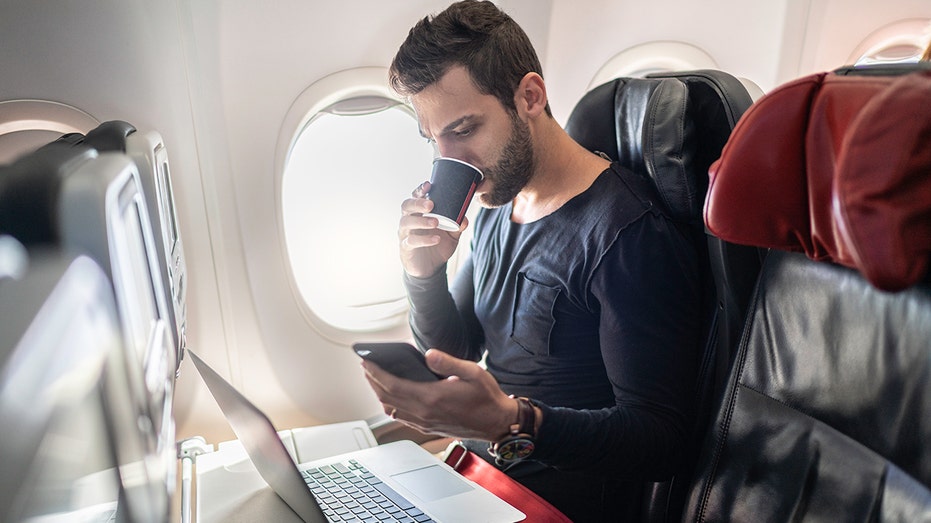
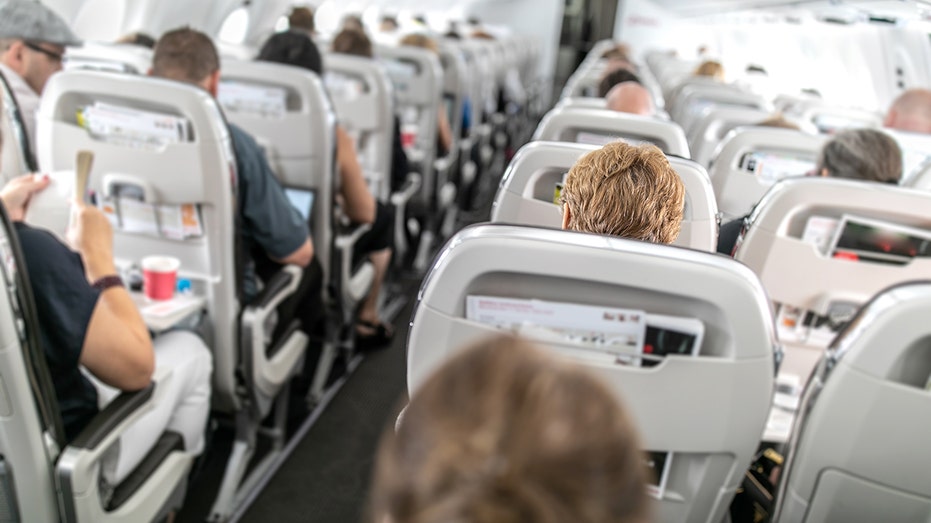
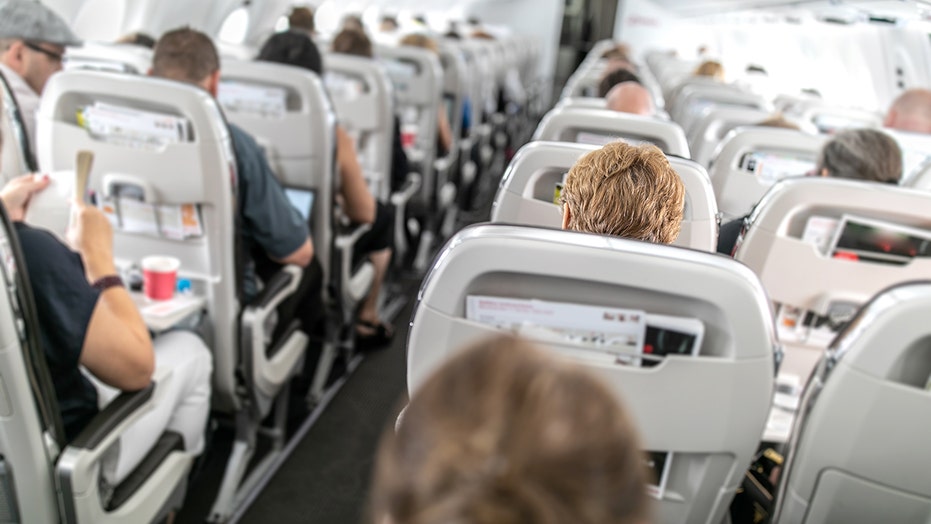
That’s where the “best seat” debate comes in. Research from Emory University and the CDC found that passengers seated in window seats and remaining there for most of the flight had fewer close interactions than those in aisle seats, who are exposed to more passing traffic, coughing and conversation. The underlying principle: infectious risk is strongly correlated with movement and proximity, not seat number alone.
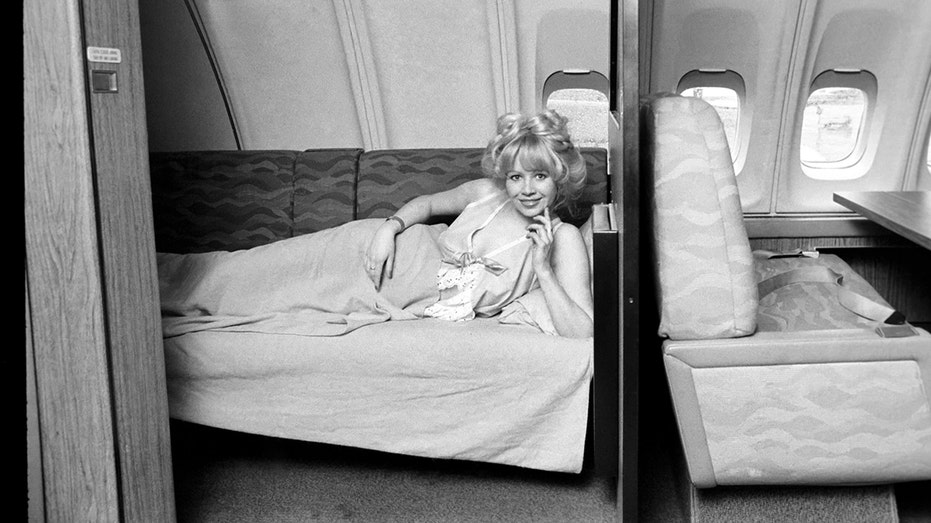
Layered on top of this is a second inequality: those with money can buy distance. Extra-legroom seats, business-class pods, private airport lounges with showers and quiet spaces – all of these are now health shields as much as comfort upgrades. During and after COVID-19, premium cabins sold not just privacy but perceived safety. The industry took note.
What This Really Means: Travel Health Is Becoming a Class Divide
The growing emphasis on “healthy travel” – whether it’s picking a seat to avoid getting sick, finding a lounge shower, or dodging risky destinations altogether – is reshaping travel into a stratified safety system:
- Seat choice as risk management: Window seats decrease your exposure to people moving up and down the aisle. Aisle seats, while convenient, put you in the slipstream of every sneeze and hand brushing your headrest.
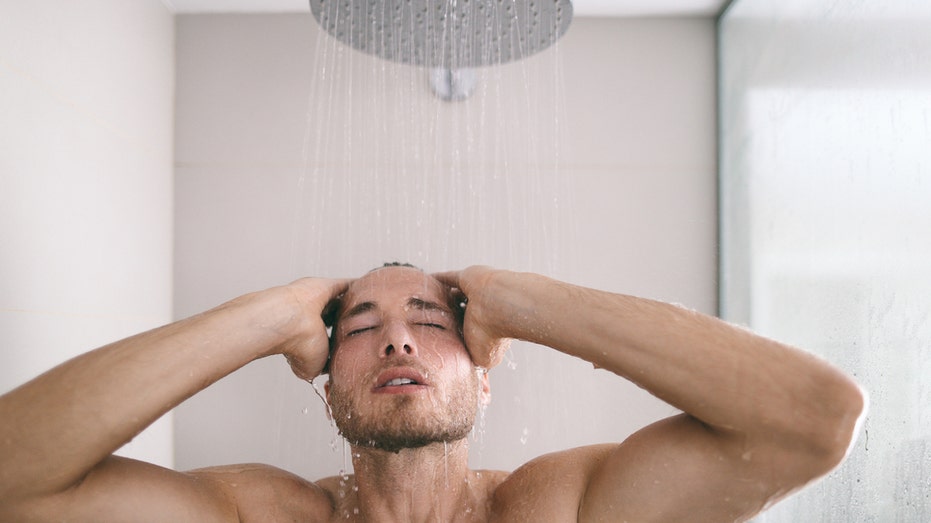
- Lounge and shower access as health buffers: Access to a quiet space to sleep, wash hands thoroughly, change clothes and hydrate meaningfully lowers physical stress – which is directly linked to immune function.
- Destination risk as a filter on who travels where: When the U.S. Embassy or State Department flags a destination as unsafe because of “unpredictable security situations,” it doesn’t stop travel; it selectively discourages risk‑averse tourists while adventure or business travelers still go.
In practice, this creates a multi‑tiered global mobility regime:
- Tier 1: Affluent travelers using premium cabins, fast‑track security, private transfers and lounges with showers and wellness spaces – reducing both contagion risk and stress exposure.
- Tier 2: Economy travelers who can still optimize choices – window seats, masks, timed bathroom use, portable hygiene kits – but have far less control over crowding.
- Tier 3: Migrant workers, budget travelers and those who must travel regardless of advisories, often using crowded flights, long layovers in congested terminals, and destinations with weaker health and security infrastructures.
So when we talk about the “best seat to avoid getting sick,” we’re really talking about who has the power to control their exposure – not just to viruses, but to the broader risks of a hyper‑connected world.
Airports Reopening to Non‑Passengers: Comfort vs. Security
Another trend tucked into the travel roundup is the quiet revival of a pre‑9/11 practice: allowing non‑passengers past security checkpoints to meet or accompany travelers at the gate. Some U.S. airports now offer passes for non‑ticketed individuals to go airside, framed as a way to “bring back the romance of travel” or help families with elderly and disabled relatives.
Historically, this was normal. Before September 11, 2001, airports were social spaces; entire families could walk to the gate. That ended abruptly when tighter security layered in, making the sterile zone a highly controlled area. Reopening that space raises practical questions:
- Security risk: Each additional person cleared into the secure zone increases workload for security personnel and complexity in emergency situations.
- Health risk: More bodies in gate areas mean more crowding – a significant factor in respiratory disease transmission, as shown repeatedly during the COVID-19 surges.
- Equity: Many of these gate‑access programs require advance registration and sometimes fees – again privileging those with time and resources.
Airports are essentially betting that finely tuned screening and data collection (IDs, background checks, advance passes) can offset the security and health risks. It’s a microcosm of post‑9/11 policy: restore convenience and emotional connection, but only for those willing to submit to higher levels of data sharing and pre‑clearance.
Security Advisories: When a Vacation Becomes a Geopolitical Decision
The U.S. Embassy warning about an “unpredictable security situation” at a popular holiday destination is more than a travel tip; it’s a signal of how intertwined tourism and geopolitics have become. Over the last decade, State Department and embassy advisories have shifted from rare exceptions to a constant backdrop for international travel.
These warnings can have real‑world consequences:
- Economic shocks: For destinations that rely heavily on tourism – think parts of the Caribbean, North Africa or Southeast Asia – a high‑profile advisory during the holiday season can wipe out millions in revenue, impacting workers far removed from the security issue itself.
- Perception gaps: Advisory language like “unpredictable security situation” is deliberately cautious but vague. It often reflects both real risk and political caution, yet travelers interpret it in highly varied ways, from total avoidance to disregard.
- Risk outsourcing: Wealthier travelers can pivot: switch destinations, upgrade to safer resorts, buy specialized insurance. Local workers and small businesses can’t pivot their geography.
Paired with health anxieties on planes, these advisories underscore a central tension of modern travel: the global middle class wants frictionless mobility, but the world itself is increasingly unstable – pandemics, conflicts, climate‑driven disasters and political unrest.
Data & Evidence: What Actually Lowers Your Risk on a Plane?
Beyond headline‑friendly advice, several robust findings have emerged from aviation and epidemiological research:
- Proximity matters most: A study in PNAS modeling influenza transmission on flights found the highest risk for those within one row and two seats of an infectious passenger.
- Movement spreads exposure: The Emory/CDC team that observed passenger movements on 10 transcontinental U.S. flights concluded that aisle‑seat passengers had far more close encounters, increasing potential exposure.
- Ventilation is better than you think: International Air Transport Association (IATA) data suggests that in‑flight transmission events are relatively rare compared to the vast number of flights; many suspected cases traced to pre‑ or post‑flight exposure in airports.
- Stress and sleep deprivation weaken immunity: Numerous studies show that chronic or acute sleep loss and high stress levels impair immune responses, making you more susceptible to whatever you’re exposed to.
Put together, the science suggests that the “best seat” is really shorthand for a bundle of behaviors and conditions: window seat, minimal movement, mask in crowded phases, good hand hygiene, and genuinely restorative breaks on long trips. Airport showers and lounges are not trivial perks; they’re interventions against the immune‑suppressing effects of sleepless, dehydrating, high‑stress travel.
Looking Ahead: The Future of Healthy, Secure Travel
Several trends are likely to accelerate over the next decade:
- More health‑centric cabin design: Expect airlines to experiment with redesigned air vents, privacy screens, and smarter seating layouts that minimize cross‑contamination without sacrificing density.
- Health tiers embedded in pricing: We may see explicit health‑oriented upsells – zones marketed for “reduced exposure,” premium ventilation, or spaced seating, building on the logic already applied to extra‑legroom rows.
- Airports as wellness hubs: Showers, nap pods, yoga rooms, filtered‑air lounges and even light‑therapy zones aimed at circadian alignment are likely to proliferate, especially at major hubs.
- Dynamic risk communication: Embassy advisories and health alerts will get more granular, possibly integrated directly into booking engines, automatically flagging routes and layovers with elevated security or health risks.
- Privacy trade‑offs: The more airports and governments promise safety – from disease and security threats – the more they will demand data, from health attestations to continuous passenger tracking.
The Bottom Line: It’s Less About the Seat, More About the System
Choosing a window seat and limiting movement can reduce your chance of catching something on a flight. But the focus on individual tips obscures the structural realities: how airlines configure cabins, how airports manage crowding, how embassies communicate risk, and how wealth increasingly buys not just comfort but safety.
Healthy, secure travel is fast becoming a privilege, not a default. As long as we frame the conversation around what a single passenger can do – which seat to pick, which shower to find – we risk letting policymakers and industry leaders off the hook for systemic changes that would protect everyone, not just those in the best seats.
Expert Perspectives
To understand the broader implications, it’s useful to hear how experts in different fields view these trends.
On in‑flight transmission dynamics:
“People overestimate the role of the cabin air and underestimate behavior. The most important factor is still who you’re near and for how long – and whether either of you is masking during high‑risk periods like boarding and deplaning.”
On airport design and wellness amenities:
“The race for premium lounges and wellness spaces is partly about status, but it’s also an admission that our base travel experience is unhealthy by design. Instead of making the whole system less punishing, we build sanctuaries inside it, and then sell access.”
On security advisories and destination risk:
“Travel advisories are blunt tools. They’re necessary, but they reshape global tourism in ways that often punish ordinary workers more than governments or militants. In the long run, we need more nuanced, community‑level approaches to risk, not just country‑wide warnings.”
Practical Takeaways for Travelers
- Choose a window seat on crowded flights, especially during peak illness seasons, and minimize aisle traffic.
- Wear a high‑quality mask during boarding, deplaning and when people are moving frequently around you.
- Prioritize sleep, hydration and hygiene. If you can’t access a lounge shower, pack wipes, a change of shirt, and basic toiletries.
- Read security and health advisories, but supplement them with local sources and on‑the‑ground perspectives, not just official notices.
Ultimately, the seat you choose can help – but it’s the system we build around that seat that will determine how safe, healthy and equitable global travel becomes in the years ahead.
Topics
Editor's Comments
What’s striking in this cluster of travel stories is how seamlessly health anxiety, security fears and consumer marketing blend together. Travelers are encouraged to see every risk – illness, terrorism, political unrest – as something they can personally manage through smarter choices and paid upgrades: the right seat, the right lounge, the right destination. That framing is convenient for airlines, airports and governments because it shifts responsibility away from structural fixes and onto individual behavior. It’s easier to sell lounge access than to redesign terminals for better ventilation and less crowding. It’s easier to issue a broad advisory than to invest in community‑centered security and conflict prevention. Readers should be wary of how often “tips” and “amenities” are presented as solutions to systemic problems. A truly equitable approach to travel health and safety would prioritize improvements that benefit the entire passenger population – not just those who can afford the supposedly safest seat.
Like this article? Share it with your friends!
If you find this article interesting, feel free to share it with your friends!
Thank you for your support! Sharing is the greatest encouragement for us.