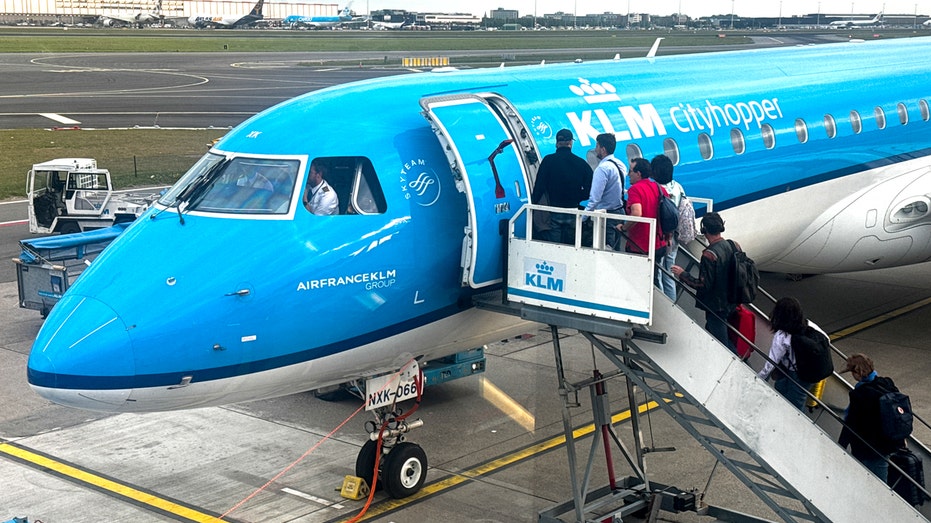
One Rat, Many Risks: What the KLM Cabin Incident Reveals About Modern Air Travel

Sarah Johnson
December 18, 2025
Brief
A “massive” rat on a KLM flight is more than a viral travel scare. It exposes deeper weaknesses in aviation hygiene, biosecurity, and outsourcing that could reshape how airlines manage safety and passenger trust.
Why One “Massive” Rat on a KLM Flight Exposes Bigger Cracks in Air Travel Safety
A single rat scurrying across the curtain track of a KLM flight from Amsterdam to Aruba sounds like tabloid fodder or a viral social media moment. But beneath the headline lies a much more serious story about how modern aviation manages biosecurity, supply chains, cleanliness, and passenger trust in an era of hyper-scrutinized travel.
When KLM canceled the onward leg from Aruba to Bonaire to deep-clean the aircraft, it wasn’t overreaction. A loose rodent is not just “gross” — it’s a potential sabotaging force in a high‑risk, tightly engineered environment where both disease control and mechanical integrity are paramount.
The Bigger Picture: Rodents, Airplanes, and a Long History of Hidden Risk
Rodents on transport vehicles are not new. For much of the 19th and 20th centuries, rats were a known threat on ships, particularly as vectors for diseases like plague and leptospirosis. Maritime authorities eventually developed strict fumigation, inspection, and port‑health protocols because rats were recognized as both mechanical and biological hazards.
In aviation, the same logic applies, but the stakes are amplified by altitude and speed. Modern jetliners are dense with wiring, sensors, insulation, and food waste — an ideal environment for a desperate animal, and a nightmare for engineers and public health officials:
- Mechanical risk: A rat gnawing through insulation or wiring can, in extreme cases, affect avionics, communication, cabin lighting, or sensor systems. While catastrophic failures are rare, regulators treat any uncontrolled animal in the cabin or underfloor areas as a non‑trivial threat.
- Biosecurity risk: Rodents are recognized carriers of bacterial and viral diseases such as leptospirosis, salmonellosis, and rat‑bite fever. In confined aircraft cabins, even the perception of disease risk can trigger panic, reputational damage, and legal exposure for airlines.
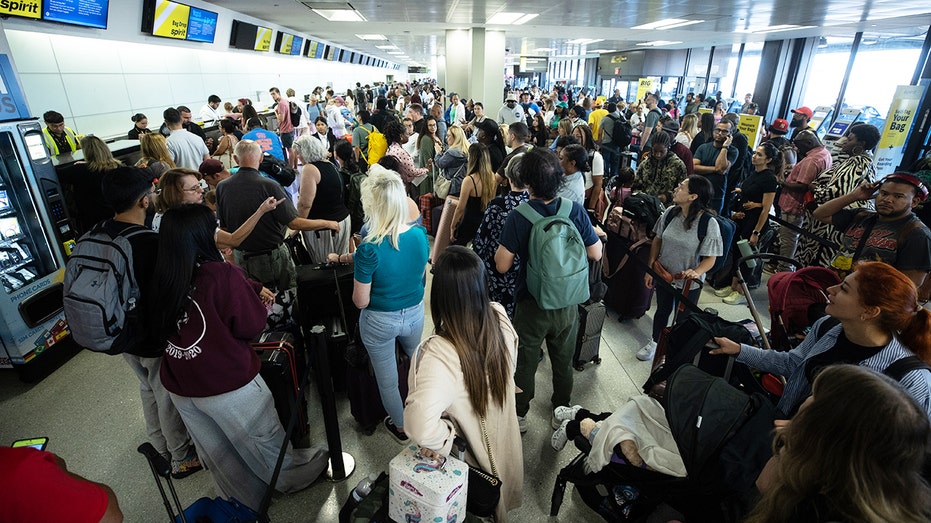
This KLM incident fits into a broader pattern: crowded airports, complex catering logistics, and fast turnarounds create conditions where small breaches — from contaminated catering trolleys to improperly sealed garbage — can allow pests to creep into a system that is otherwise built on precision and control.
What This Really Means: Biosecurity Meets Customer Experience
The rat on this Amsterdam–Aruba flight is less about a freak occurrence and more about the increasingly fragile interface between global mobility, hygiene, and passenger expectations.
1. A Weak Link in the Ground Chain, Not the Sky
Rats rarely originate inside the aircraft itself. They almost always enter through:
- Catering trucks and galley supplies loaded at airports, especially where food waste is abundant and pest control varies in quality.
- Jet bridges and ground handling equipment, which can serve as opportunistic pathways from terminals or tarmac areas.
- Cargo and luggage, including rare cases where passengers deliberately or negligently transport small animals, as seen in the 2023 incident when a rat and an otter were smuggled in baggage from Bangkok to Taiwan.
The weak point is almost always on the ground: inconsistent pest management standards across airports, outsourced catering with multiple subcontractors, and relentless pressure to turn aircraft around quickly. That pressure makes deep inspections rare unless there is a clear trigger — like someone filming a “massive” rat on a curtain rail.
2. Safety Culture Versus Operational Pressure
KLM’s decision to cancel the Aruba–Bonaire leg and thoroughly clean the aircraft reflects a safety-first posture that regulators broadly expect. However, it also exposes the tension between safety culture and commercial realities:
- Financial cost: Canceling a short regional leg means lost revenue, compensation or rebooking for stranded passengers, and additional crew and cleaning costs.
- Reputational risk: Failing to cancel, or downplaying the incident, would risk viral outrage and accusations of neglecting health and safety, especially in a post-COVID environment where passengers are more sensitive to sanitation.
In other words, once the rat was visible — and filmed — KLM’s room to maneuver vanished. The airline’s public statement emphasizing “safety and well-being” is a recognition that reputational damage from perceived negligence can now travel as fast as the jetliners themselves.
3. The Post-Pandemic Hygiene Expectation Shift
Before 2020, passengers tolerated a certain level of mess in the air: sticky tray tables, overflowing seat pockets, poorly cleaned lavatories. COVID-19 changed that. Surveys by IATA and independent travel research firms have shown a sustained rise in how much passengers prioritize cleanliness and visible hygiene measures.
A rat inside a cabin now triggers more than disgust; it collides with a deeper anxiety about disease transmission. The mention of monkeypox and other infections in coverage of the incident taps into that cultural shift. Even if the actual epidemiological risk from a single rat is low, the symbolic risk is enormous. Airlines are competing not just on routes and price, but on perceived biosecurity.
Data & Evidence: How Big is the Problem?
Precise statistics on rodents in cabins are hard to obtain because many events are resolved quietly and classified under general “pest” or “contamination” categories. But related data points sketch the landscape:
- Airport pest control: Large hubs typically log thousands of pest control interventions annually, with rodents among the most common mammals targeted, according to internal airport maintenance reports and audits where they are publicly available.
- Catering vulnerability: Aviation food service involves multiple temperature transitions, staging areas, and storage points — each a potential pest entry location. Industry audits often rank catering facilities among the highest‑risk sites for pest ingress.
- Public health context: The CDC notes that rats can carry multiple zoonotic diseases, and global health agencies have stressed transport systems as critical vectors for cross-border disease spread — historically with ships, but increasingly with air travel as volumes surge.
Put simply, the KLM incident is statistically unusual at the passenger-facing level, but it signals a systemic vulnerability that regulators and airlines already know exists on the periphery of their operations.
Expert Perspectives: Why Regulators Take a Single Rat Seriously
Experts in aviation safety and infectious disease see the story through two overlapping lenses: mechanical integrity and public health risk.
From an aviation engineering standpoint, any uncontrolled animal inside the fuselage is a red flag. Wiring bundles, sensor connections, and insulation foam are attractive to rodents, and even minor damage can cascade through safety-critical systems.
From a public health angle, the aircraft cabin is a high-density, enclosed environment with limited opportunities for passengers or crew to distance themselves from a potential disease vector. Even if actual transmission probability is low, the precautionary principle dominates policy: it is cheaper and safer to overreact once than to explain later why an outbreak was not prevented.
These perspectives also converge on one operational response: immediate removal from service and comprehensive inspection, including disinfecting soft surfaces, checking galleys and storage compartments, and in some cases inspecting beneath floor panels where waste and wiring run.
What’s Being Overlooked: Environmental and Labor Dimensions
Most coverage frames this as an odd travel mishap or a health scare. Two important angles often get missed:
1. Waste Management as a Safety Issue
Airports and airlines generate huge volumes of food and packaging waste, much of it handled under tight time pressure. Ineffective waste segregation or delayed removal attracts rodents around catering facilities and jetways. That’s not just an environmental or cost issue — it’s a direct safety and biosecurity concern.
Improved waste infrastructure, sealed collection systems, and contractual requirements for pest‑resistant storage at catering suppliers could significantly reduce risk. Yet these investments are often deferred because they don’t directly generate revenue.
2. Outsourcing and Fragmented Accountability
Ground handling, cleaning, and catering are frequently outsourced through multi-layer subcontracting. When a rat ends up on a plane, tracing responsibility is complex: is it the airport, the caterer, the cleaning contractor, or the airline?
This fragmentation can dilute incentives to invest in robust pest control and hygiene standards. Unless regulators explicitly tie certification and operating licenses to integrated pest and hygiene outcomes across the entire ground chain, each actor has an incentive to do the minimum required.
Looking Ahead: What This Incident Signals for Future Air Travel
This KLM case is unlikely to be the last time a high‑profile pest incident erupts online. Several trends suggest we’ll see more — or at least hear more about them:
- Rising passenger scrutiny: Nearly every passenger carries a high‑quality camera. Incidents that once stayed within the cabin now become global narratives within minutes.
- Regulatory tightening: As biosecurity remains a political priority, expect stricter inspection regimes for catering suppliers and more explicit requirements on pest control as part of airline and airport certification.
- Data‑driven cleaning: Airlines may increasingly deploy sensors, AI, and predictive maintenance tools to monitor pest risks, from tracking waste patterns to analyzing maintenance reports for early signals of infestations.
- Passenger rights and compensation: As these incidents disrupt flights, consumer advocates and regulators may push for clearer compensation rules when hygiene-related issues cause cancellations.
In the Caribbean context, where tourism is a lifeline and short intra‑island routes like Aruba–Bonaire are critical, any disruption resonates economically. A grounded aircraft can ripple through hotel bookings, connecting flights, and local businesses, underscoring how something as small as a rat can have outsized regional effects.
The Bottom Line
The “massive rat” on a KLM flight is not just a bizarre travel story. It’s a window into how vulnerable the global aviation system can be at its seams — where outsourced catering meets tight turnarounds, where waste management meets cost cutting, and where public health meets passenger expectations shaped by a pandemic.
If airlines and regulators treat this as a one‑off embarrassment, similar incidents will keep catching them off guard. If they treat it as a stress test of an already strained system, it could become a catalyst for more integrated hygiene, pest control, and accountability standards across the entire air travel ecosystem.
Topics
Editor's Comments
What stands out in this incident is how a single rodent can function as an X-ray of the aviation system’s hidden vulnerabilities. We pay attention when a rat runs across a cabin curtain track because it’s visible and disturbing, but we rarely question the more systemic issues that make such an event possible: aggressive outsourcing, thin margins that discourage long maintenance windows, and a regulatory mindset still catching up to the idea of biosecurity as central to transport safety rather than an add-on. One contrarian question is whether airlines and regulators are over-relying on visible crises to drive change. The KLM case will likely trigger internal reviews and, perhaps, tighter supplier controls. But the deeper challenge is to build incentives that reward prevention when nothing goes publicly wrong. Until that happens, we’ll continue to learn about structural weaknesses through embarrassing, viral episodes rather than quiet, deliberate reforms.
Like this article? Share it with your friends!
If you find this article interesting, feel free to share it with your friends!
Thank you for your support! Sharing is the greatest encouragement for us.