From Dolan to Hicks: What New York’s New Archbishop Reveals About the Vatican’s Next Move in America

Sarah Johnson
December 18, 2025
Brief
Ronald Hicks’ appointment as New York’s next archbishop signals a strategic pivot in U.S. Catholicism, from culture-war celebrity leadership toward pastoral, internally focused reform aligned with the Francis–Leo XIV era.
Why the New York Archdiocese Just Became Ground Zero for Francis-Era Catholicism
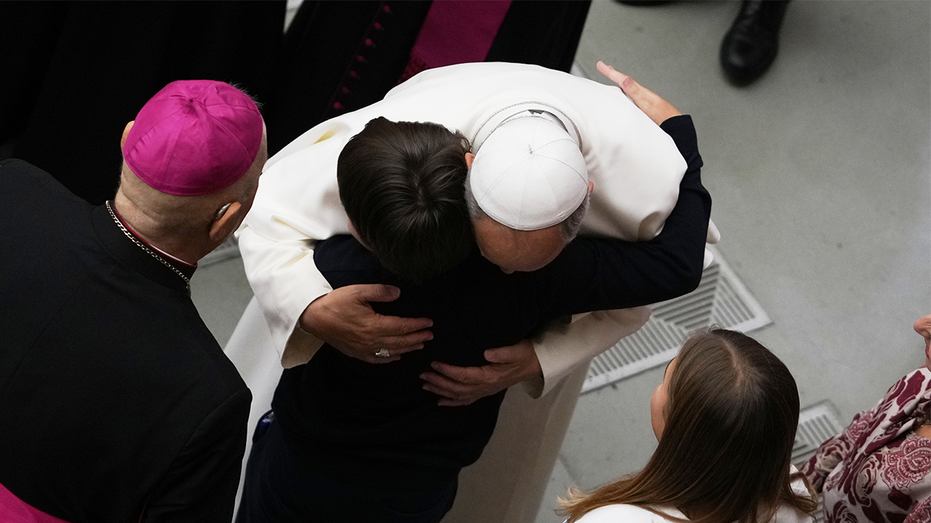
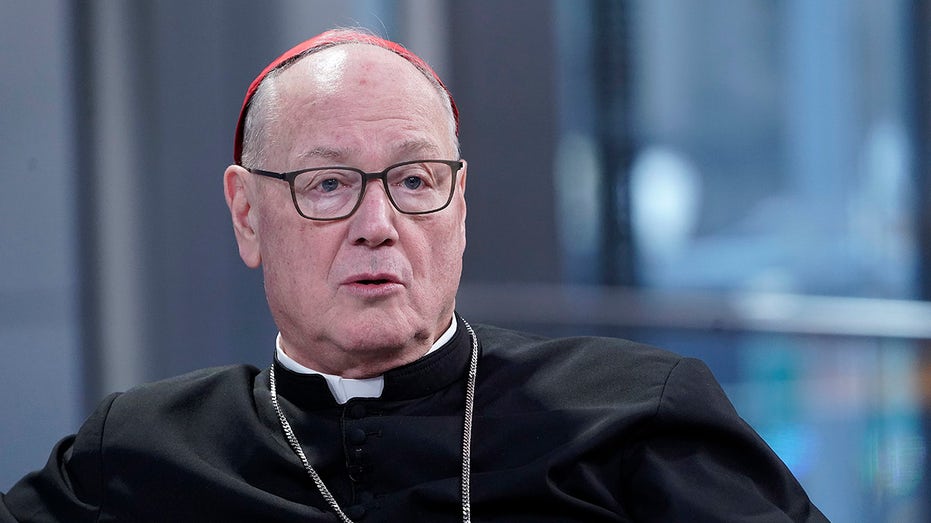
At first glance, the Vatican’s acceptance of Cardinal Timothy Dolan’s resignation and the appointment of Bishop Ronald Hicks as the next archbishop of New York looks routine: a 75-year-old cardinal hits the mandatory retirement age, a younger bishop steps in. But beneath the formal language and predictable ceremony, this move signals something much larger: the most politically visible Catholic see in the United States is being handed to a bishop shaped almost entirely by the Francis era — and personally close to the new Pope Leo XIV.
New York is not just another archdiocese. It’s a media megaphone, a political crossroads, and a symbolic barometer of Catholic power in America. Whoever sits at St. Patrick’s Cathedral is effectively one of the country’s most influential religious voices on immigration, poverty, sexuality, religious freedom, and the role of faith in public life.
Ronald Hicks is not a celebrity pick. That is precisely what makes this appointment so telling.
A New York Archdiocese at a Turning Point
Historically, the Archdiocese of New York has been a showcase of American Catholic clout. Its leaders have often functioned as informal ambassadors between Washington and Rome and, just as importantly, between the Catholic Church and American public opinion:
- Cardinal Francis Spellman (1939–1967) embodied Cold War Catholic patriotism, forging close ties with presidents and projecting anti-communist resolve.
- Cardinal John O’Connor (1984–2000) became a loud voice in the culture wars, especially on abortion and the AIDS crisis.
- Cardinal Edward Egan (2000–2009) was best known for steering the archdiocese through 9/11 and major financial restructuring.
- Cardinal Timothy Dolan (2009–2025) has been a back-slapping, media-savvy conservative-leaning figure who maintained ties across the aisle while remaining a prominent defender of traditional Catholic ethics.
Hicks, by contrast, comes from a very different formation: pastoral ministry in Chicago’s parishes and seminaries, a significant stint with a children’s charity in El Salvador, and a leadership profile focused on clergy, vocations, and organizational culture rather than public combat in the culture wars.
In other words, the Vatican has not just chosen Dolan’s successor. It has chosen a direction.
From Culture-War Cardinal to Pastoral Operator
Dolan’s tenure coincided with brutal headwinds for the Catholic Church in the U.S.: the crescendo of the clerical abuse crisis, accelerating secularization, and fierce debates over same-sex marriage, gender identity, and religious freedom. His style was extroverted, politically engaged, and often combative on cultural issues, even if wrapped in genial humor.
Hicks’s profile is different in several key ways:
- Formation in a “Francis Church”: His rise in the hierarchy — auxiliary bishop in 2018, bishop of Joliet in 2020 — occurred entirely under Pope Francis, and now his biggest promotion comes under Pope Leo XIV. That tends to reinforce a certain pastoral, mercy-first vision of Catholic leadership.
- Hands-on experience in El Salvador: Serving as regional director for Nuestros Pequeños Hermanos placed him squarely in the world of poverty, migration, and violence in Latin America. That is a radically different experience than climbing the hierarchy from chancery office to chancery office.
- Institutional focus: As chair of the USCCB Committee on Clergy, Consecrated Life and Vocations, Hicks has spent time wrestling with internal Church health: priestly formation, vocations pipelines, and the morale of clergy and religious.
Put bluntly: Dolan is a public face; Hicks has been a systems guy. The Vatican is betting that the next phase in New York requires less rhetorical star power and more organizational rebuilding.
What Rome Is Signaling
Because this appointment comes after the election of Pope Leo XIV — and because Hicks shares deep, almost parochial roots with the new pope — it carries layered meaning.
Hicks has spoken about playing in the same parks and eating at the same pizza places as Leo XIV when both were growing up in Chicago’s south suburbs. That biographical detail is not a sentimental footnote. It suggests a relationship of trust that predates curial maneuvering. In Vatican politics, personal rapport often matters more than ideology.
Several signals emerge:
- Continuity of a Francis-style papacy: If Leo XIV wanted to pivot sharply away from Francis, New York would be the perfect place to send a clear message. Instead, he has chosen a bishop who reads as pastorally aligned with Francis’s priorities: proximity to the poor, emphasis on mercy, and a non-theatrical approach to culture-war confrontation.
- Preference for relational leadership: Choosing a longtime acquaintance for such a visible role suggests Leo XIV values leaders he knows personally, who can reliably embody his vision in complex national contexts like the U.S.
- De-emphasis on “celebrity cardinals”: Hicks is neither a media personality nor a polarizing firebrand. That fits a broader Vatican trend: moving away from larger-than-life national figures and toward bishops who are relational, pragmatic, and capable of internal reform.
The Archdiocese Hicks Will Inherit
By the time Hicks formally takes office in February 2026, he will inherit perhaps the most complex Catholic landscape in the United States:
- Demographic transition: Like much of U.S. Catholicism, New York’s pews are steadily shifting from ethnic Europeans to Latino, African, and Asian Catholics. In New York City, the Catholic Church’s future is overwhelmingly immigrant.
- Declining affiliation: Nationally, about 23% of Americans identify as Catholic, but ex-Catholics are one of the largest “religious groups” in the country. New York is no exception, particularly among younger adults who drift toward “none.”
- Financial and structural pressures: Urban parishes facing closure or merger, expensive real estate, and the long fiscal shadow of abuse settlements will constrain any archbishop’s freedom of maneuver.
- Ongoing abuse crisis fallout: While many legal cases have been settled, trust is fragile. The credibility of bishops as moral leaders remains under scrutiny, especially in coastal urban centers.
Against that backdrop, Hicks’s specialization in clergy and vocations looks less like bureaucratic trivia and more like an urgent priority. New York needs priests who can serve multilingual, multiethnic, often struggling communities — and it needs them in a context where the priesthood no longer carries automatic respect.
Immigration, New York Politics, and Hicks’s Balancing Act
When asked about immigration and New York’s Latino community, Hicks anchored himself in the U.S. bishops’ recent line: support for both border security and the dignity and due process rights of migrants. That formulation is more than boilerplate. It’s an attempt to hold together a polarized Catholic base and avoid being absorbed into either party’s narrative.
New York’s archbishop inevitably becomes a player in debates over:
- Sanctuary policies and cooperation with federal immigration authorities
- City and state funding for social services used by undocumented migrants
- The treatment of asylum seekers in shelters, schools, and hospitals
Hicks’s El Salvador experience may push him toward a more empathetic, on-the-ground approach to migrants, while his stated support for border security will be used by some politicians to claim Church alignment with stricter enforcement. Walking that tightrope will require careful public messaging to avoid being weaponized by either side.
What’s Being Overlooked: Internal Culture Change
Most coverage will focus on the symbolism of Dolan’s departure and Hicks’s personality. What’s likely to get less attention is the internal cultural shift the Vatican may expect in New York.
As chair of the USCCB Committee on Clergy, Consecrated Life and Vocations, Hicks has been immersed in questions that go to the heart of the Church’s internal resilience:
- How are priests formed for a digital, pluralistic, often hostile culture?
- How do dioceses rebuild trust after abuse scandals?
- How does the Church attract new vocations when institutional loyalty is collapsing across society?
New York’s chancery is large, complex, and not immune to bureaucratic inertia. Installing a bishop with a track record in seminary leadership and clergy oversight positions him less as a front-line culture warrior and more as a culture reformer within the Church’s own ranks.
In the long term, that may matter more to Catholic survival than any press conference sound bite on city politics.
Expert Perspectives
The selection of Hicks fits into a broader pattern of Vatican appointments in major Western cities. Church observers note a tendency to prioritize “pastoral credibility” and internal reform capability over media charisma.
Church historian Massimo Faggioli has often argued that major episcopal appointments in places like New York, Paris, or Madrid function as “text messages” from Rome about the strategic priorities of a pontificate. Seen in that light, Hicks’s choice suggests that Leo XIV seeks a Church that is less about public confrontation and more about rebuilding from the inside out.
Theologian Natalia Imperatori-Lee has stressed that the future of Catholicism in the U.S. will be decided by how effectively the Church engages Latino and immigrant communities in major metropolitan areas. A bishop with deep Midwestern immigrant experience and Latin American service could be well-suited to that challenge — if he can adapt quickly to New York’s more secular, pluralist environment.
Looking Ahead: What to Watch Between Now and 2026
Several key questions will shape whether this appointment becomes a turning point or a footnote:
- How quickly does Hicks enter New York’s public conversation? Even before his formal installation in 2026, his early statements on education, migrants, and violence will signal his style: cautious and diplomatic, or bold and visible?
- What happens with parish closures and consolidations? Any archbishop touching beloved parishes in ethnic neighborhoods faces backlash. How Hicks handles transparency and consultation will reveal his approach to shared decision-making.
- Will he elevate lay leadership? In a city where Catholic laity are highly educated and professionally influential, a collaborative leadership style could either revitalize engagement or trigger tensions with existing clerical structures.
- How does his relationship with Leo XIV evolve publicly? If that Chicago connection translates into visible support or special initiatives from Rome, New York could become a laboratory for papal priorities in the global North.
The Bottom Line
The transition from Cardinal Dolan to Archbishop-designate Ronald Hicks is not just a change of personnel. It’s a recalibration of how the Catholic Church wants to be seen — and how it wants to operate — in one of the world’s most watched religious platforms.
In Dolan, New York had a genial, high-profile culture warrior. In Hicks, it is receiving a quieter, more pastoral, and internally focused operator shaped by the Francis era and closely linked to Pope Leo XIV. Whether that shift amounts to a strategic reset or simply a change in tone will depend on how Hicks uses the next decade — not just to speak to New York, but to rebuild the Church within it.
Topics
Editor's Comments
One underexplored angle in this transition is how much room a figure like Ronald Hicks will actually have to maneuver inside a highly institutionalized, sometimes entrenched archdiocesan structure. It’s tempting to read his appointment as a clear pivot away from culture-war politics, but much of what the public sees from a New York archbishop is reactive: responding to court rulings, budget fights, scandal, and media cycles. The deeper question is whether Hicks can align internal governance—seminary culture, financial transparency, lay participation—with the outward-facing pastoral tone associated with Francis and now Leo XIV. If the internal Church remains rigid or opaque while public messaging softens, the dissonance could further erode credibility, especially among younger Catholics. Conversely, if Hicks uses his background in clergy formation to push for genuine accountability, better communication, and sharing of power with competent lay leaders, New York could become a rare example of structural reform backing up pastoral rhetoric. That’s where this appointment will ultimately be judged: not in quotes about humility, but in whether the archdiocese changes how it actually works.
Like this article? Share it with your friends!
If you find this article interesting, feel free to share it with your friends!
Thank you for your support! Sharing is the greatest encouragement for us.